MAIN ARTICLE
Water becomes the bottleneck for a nickel powerhouse
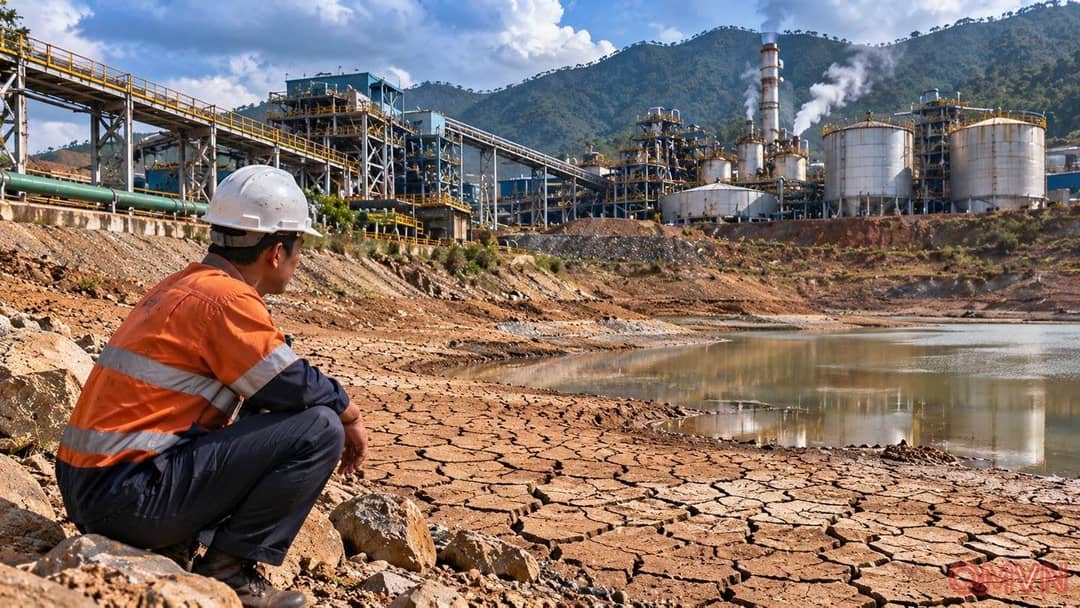
Indonesia has established itself as the dominant centre of global nickel mining and a major hub for refining, notably in industrial clusters on Sulawesi. Yet battery-grade metal requires more than ore and electricity. High-pressure acid leaching, or HPAL, treats laterite ore and produces mixed hydroxide precipitate (MHP), an intermediate containing nickel. It also needs substantial water supplies. When reservoirs and supply networks run short, even newly commissioned plants must slow down.
CRU Group reported in October that Nickel Industries’ Excelsior Nickel Cobalt (ENC) operation in Central Sulawesi had lowered utilisation from 50% to 30%. The consultancy believes other HPAL facilities are confronting similar water limits. That is an industry risk assessment, however, not evidence that every Indonesian plant has announced an identical reduction. Exposure varies by location, technology and access to shared infrastructure.
The company’s October 22 update showed how extraordinary conditions had become. Its Hengjaya mine recorded just 7 millimetres of rain from early August through October 21, against a ten-year August-to-October average of 474 millimetres. Water stress had also spread to rotary-kiln electric-furnace operations, which Nickel Industries said were running at roughly 75% of nameplate capacity during October.