MAIN ARTICLE
When a phone describes a danger that is not there
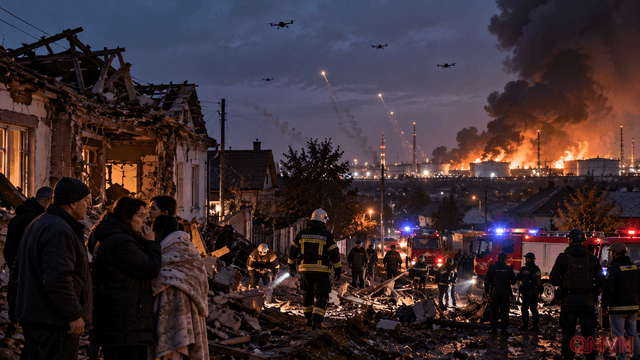
For people living under recurrent missile and drone attacks, a warning notification is not routine screen content. It can trigger an immediate journey to a shelter, a call to family members or a decision to leave work. This explains the alarm generated in Kyiv and elsewhere in Ukraine late on November 1 when unusual notices referred to radiation, chemical exposure, fighting in city streets and an alleged launch or deployment of the Russian Oreshnik missile. Authorities subsequently said the claims were false.
Ukraine’s Air Force suggested the application had been subjected to hostile interference and announced that no radiation danger existed. In a Telegram statement, it urged the public to stay calm and follow official updates. The abnormal notices later disappeared. Such prompt correction matters because an unsupported warning can send families in the wrong direction, while repeated false alarms can weaken the willingness to respond to a genuine threat.
One disrupted application, multiple remaining safeguards
Ukraine’s Digital Transformation Ministry said the affected application had stopped operating temporarily, but alternative public notification services and air raid sirens continued to function. That distinction is important.