MAIN REPORT
When a real event becomes a battle over interpretation
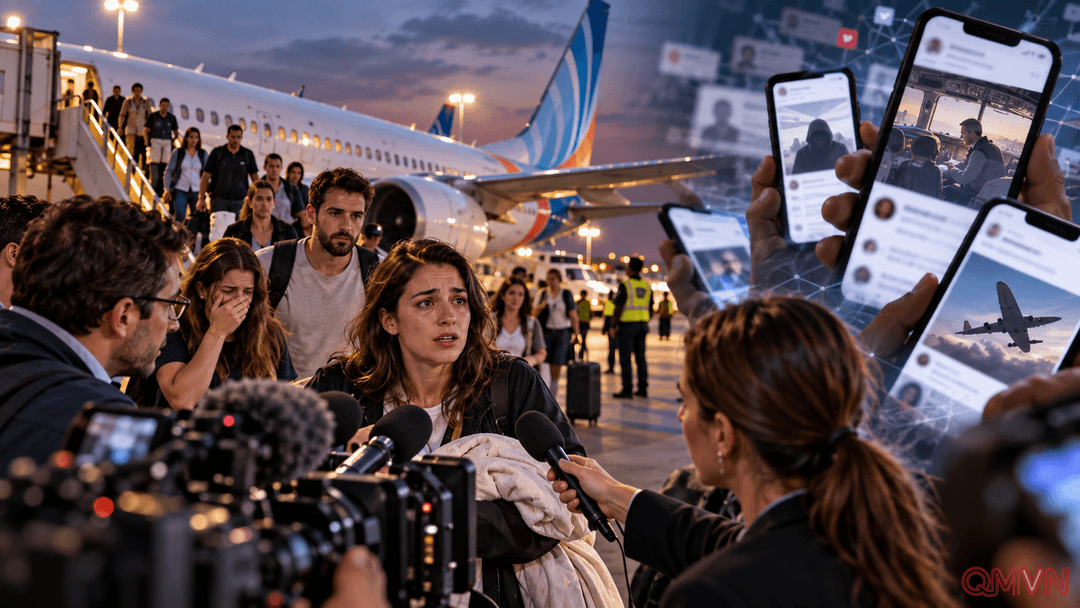
According to reporting by Reuters and AP, FZ1073 departed Dubai on September 30 bound for Tel Aviv. During the flight, the co-pilot allegedly used a cockpit emergency axe to attack the captain and seize control. The aircraft then lost altitude rapidly before others on board intervened, restrained the suspect and helped stabilize the situation. The jet landed safely in Tabuk, Saudi Arabia. UAE prosecutors later described the episode as a terrorist act and opened a wider investigation into the suspect’s training, employment history and possible prior signs of extremism.
But while those facts were still emerging, a competing narrative spread online: Israel or Mossad had supposedly staged the event to win international sympathy, while Prime Minister Benjamin Netanyahu was accused of exploiting it for political survival. No reliable independent evidence has been produced to substantiate those claims. By contrast, public reporting indicates that authorities in the UAE, Israel, Australia and New Zealand are examining the suspect’s background, although several details remain under investigation.
The key point is that incomplete early information did not slow conspiracy theories; it fueled them. When the public wants an immediate explanation but investigators need time, the gap between what is known and what people want to know becomes fertile ground for speculation.