MAIN ARTICLE
The first 100 hours: Turning the vote into priorities
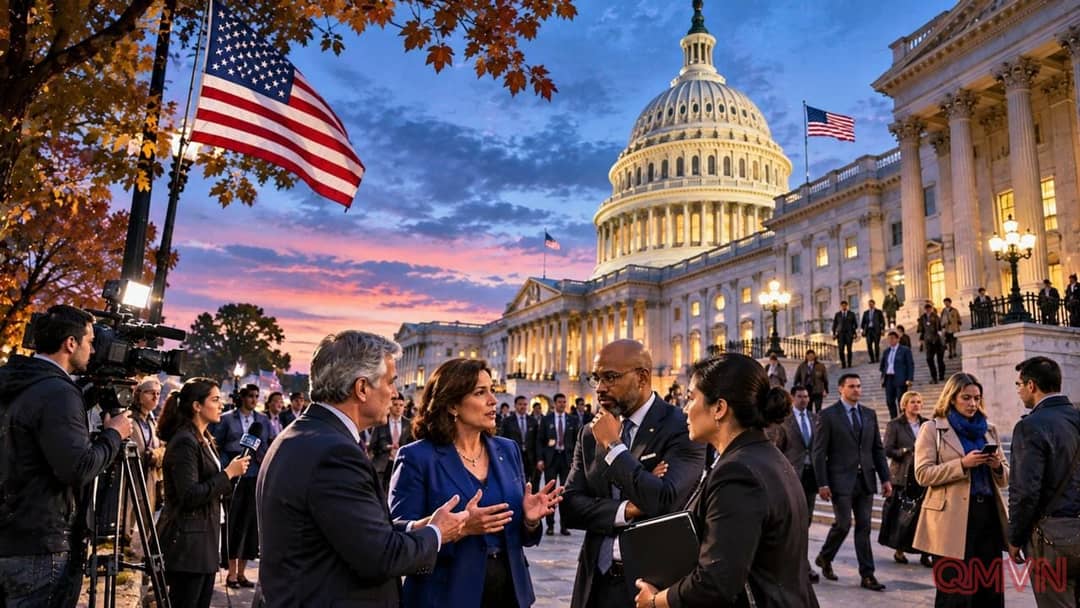
Democrats’ victories in districts and states long considered Republican give their leaders a rare chance to reset the congressional agenda. Voters anxious about groceries, gasoline, housing and medical bills will now judge the winning party by results rather than campaign speeches. Still, the new Congress does not take office until January 2027. Between the celebration and the first vote lie a transition, leadership decisions and difficult negotiations within a party that includes moderates and progressives with different ideas about how quickly to confront the White House.
Hakeem Jeffries, positioned to become the first Black speaker of the House, wants to restore Affordable Care Act premium assistance, challenge Medicaid reductions and reopen debate over tariffs. Democrats also aim to stage votes on the Iran war and fuel prices. That sequence offers a way to demonstrate responsiveness to the concerns that dominated the election. It cannot, by itself, guarantee an enacted law: a proposal approved by the House must still survive Senate procedures and the president’s desk.
Oversight: The instrument available before new laws
Committee control may have more immediate consequences than legislative ambition. Chairs can schedule public hearings, request government documents and issue subpoenas under congressional rules, compelling agencies and officials to explain their conduct. Robert Garcia, expected to lead the House Oversight Committee, and senior Senate Democrats have signaled a vigorous approach. Such authority is consequential but not unlimited; requests can be disputed, privileges asserted and evidence fought over in court. Oversight is a constitutional safeguard, not a substitute for proving a criminal allegation.