MAIN ARTICLE
A political signal travels beyond America
Spain’s Prime Minister Pedro Sánchez cast the election as a rejection of policies that deepen hardship and division, linking the American result to recent successes by progressive forces elsewhere. His reaction reflects the way American domestic politics can invigorate ideological allies abroad. Yet comparisons across elections also have limits: institutions, voting coalitions and economic pressures differ greatly from one country to another.
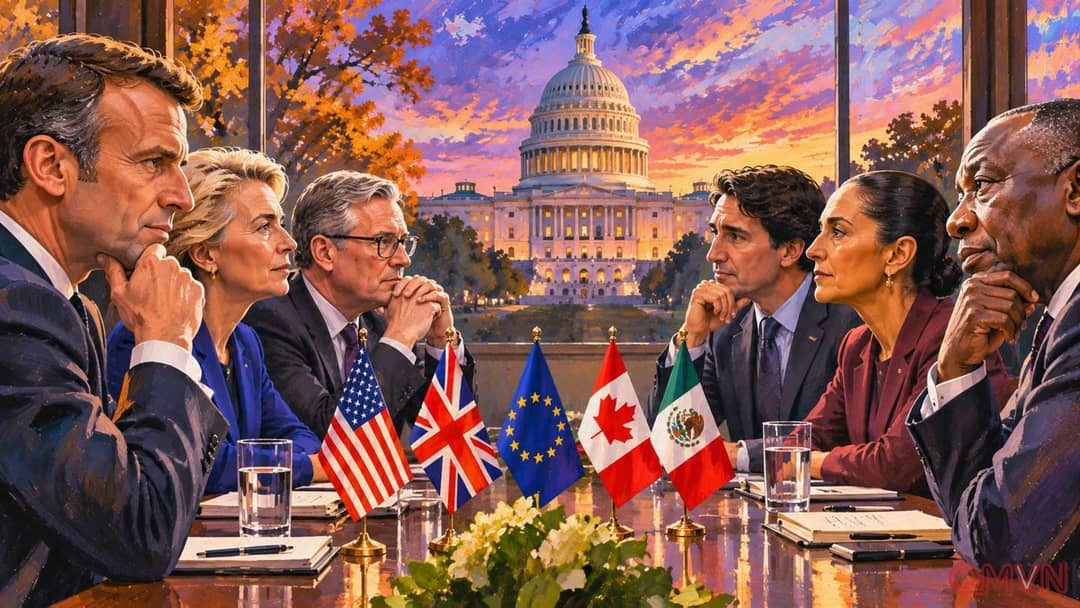
Norwegian Foreign Minister Espen Barth Eide interpreted the outcome as a public demand for a different political direction and less polarization. South African President Cyril Ramaphosa expressed hope for a new phase in international relations. Beneath these varying statements lies a shared wish for greater predictability from a White House whose positions on trade, alliance obligations and development assistance have unsettled partners.
War, energy and the cost of everyday life
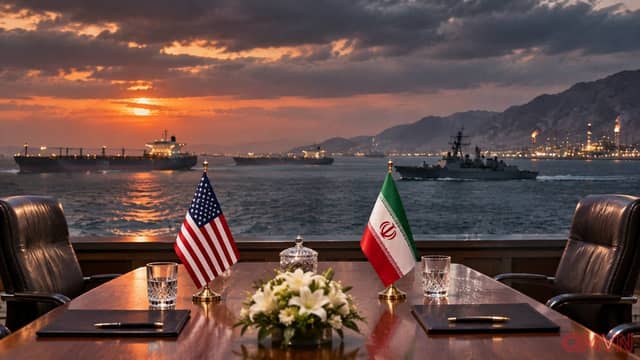
British Prime Minister Andy Burnham linked the international mood to the Iran war and the higher fuel costs felt by families. He argued that easing conflicts in the Middle East and the war Russia began in Ukraine would help governments tackle living expenses.