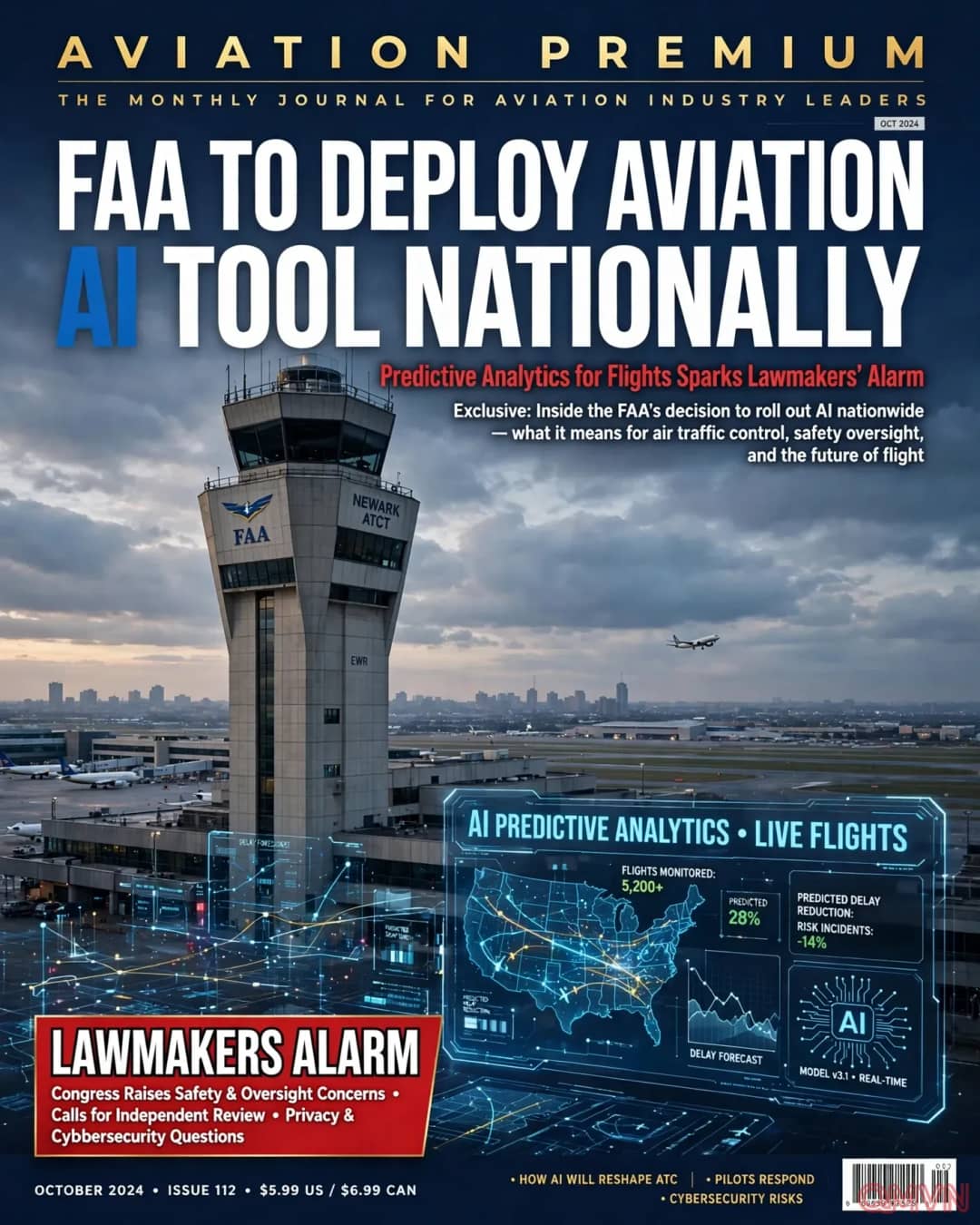
A promise of more predictable journeys
The FAA’s June contract announcement described two complementary programs, FMDS and SMART, intended to improve traffic planning. The latter uses predictive analysis to help anticipate disruptions. By combining information relevant to flight demand and available capacity, the technology is intended to give personnel more time to consider potential adjustments before congestion materializes. These are prospective benefits, not proof that every implementation has achieved them.
Air traffic management involves more than avoiding collisions. Airports, airlines and controllers must coordinate schedules around weather, staffing and fluctuating demand. An improvement in planning could reduce unnecessary waiting and fuel consumption. Yet a recommendation is valuable only if the people receiving it understand its limitations and have sufficient time to evaluate it. Software should support professional judgment rather than make its accountability disappear.
Congress seeks evidence before accepting expansion
Reuters reported that the lawmakers questioned the pace of the national deployment and said they had not received substantive evidence of adequate validation. Larsen, the senior Democrat on the House Transportation and Infrastructure Committee, led the request for information.