MAIN CONTENT
A new relationship between Washington and industry
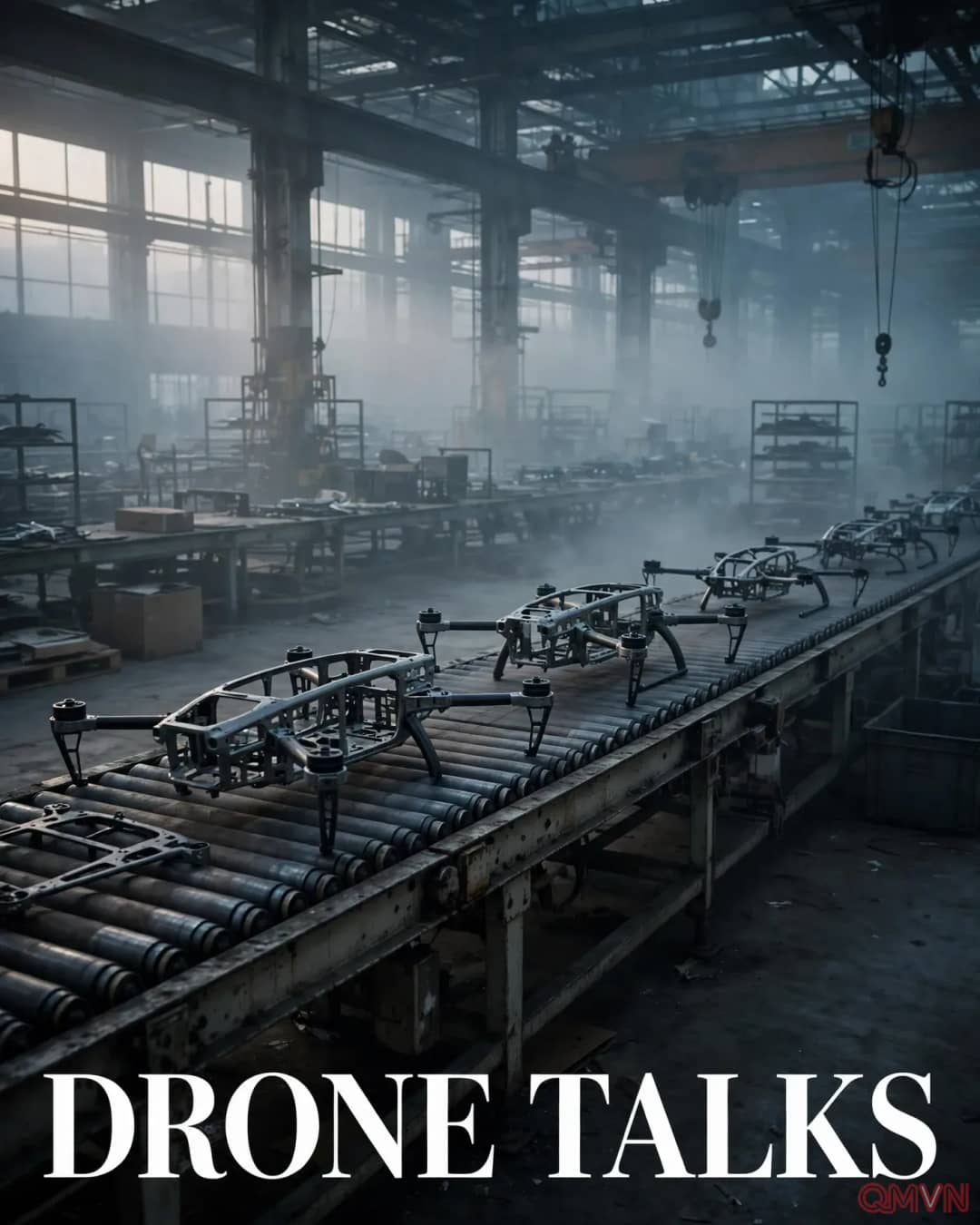
The talks reported by The Wall Street Journal indicate that Washington is looking beyond traditional defence contractors. Discussions with automotive groups and businesses from other sectors reflect a wider interest in broadening the industrial base. GM is reportedly considering participation, but its public response stopped short of confirming the details. Reuters also reported that reactions among automotive executives have been mixed. The distinction matters: a conversation with government officials does not create a binding order, and an expression of interest is not revenue.
The potential role of automobile manufacturers illustrates how the boundaries between civilian and government markets are changing. A company accustomed to selling vehicles to consumers must weigh a different set of obligations when it enters defence contracting. These include contractual oversight, regulatory compliance and the consequences of committing corporate resources to a politically sensitive field. The economic opportunity cannot be assessed separately from those responsibilities.
A commercial opportunity with limits
According to Reuters, analysts caution that rising military expenditure does not automatically translate into substantial sales for carmakers. A large automotive group has an extensive existing business, so a defence project may have only a modest effect on its consolidated results.