A financing equation with three parts
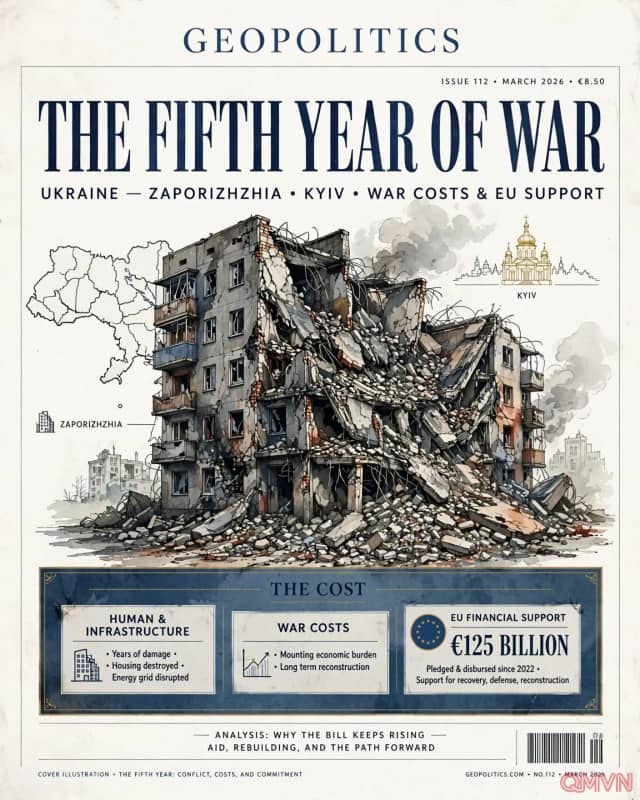
The figures presented by Zelenskiy describe a broad requirement for external support, not simply a bill for weapons. The first potential €45 billion component belongs to the existing €90 billion EU loan framework covering 2026 and 2027. The second comes from the European Commission's November 18 proposal for additional assistance. Together they form the basis of Kyiv's expectation of €90 billion for next year. The remaining €25 billion is still the subject of discussions, and no complete funding arrangement was identified in the November 24 announcement.
The Commission had already advanced implementation of the original loan on October 30 by proposing a decision covering the remaining 2027 allocation. The November 18 initiative is distinct: it addresses part of the financing gap that would remain after that allocation. Its legislative status matters because a proposal cannot be counted as money already available to the Ukrainian treasury. Reuters reported the president's assessment on November 24; the Commission's announcements of October 30 and November 18 provide the institutional context.
Why timing matters as much as scale
A state facing prolonged conflict must meet obligations that do not wait for international negotiations. Public employees need salaries, hospitals require supplies and damaged infrastructure must be maintained. Defence expenditure creates additional demands.