MAIN CONTENT
An oil dispute with wider consequences
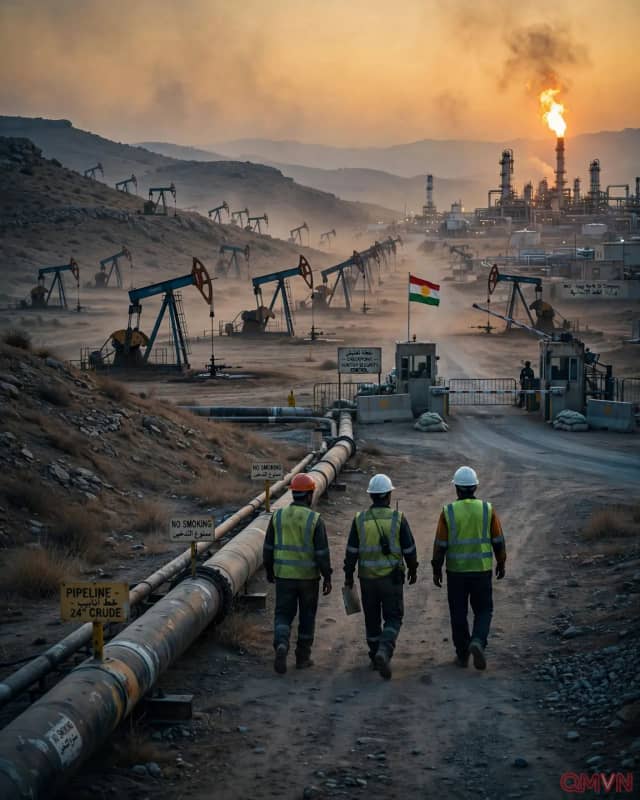
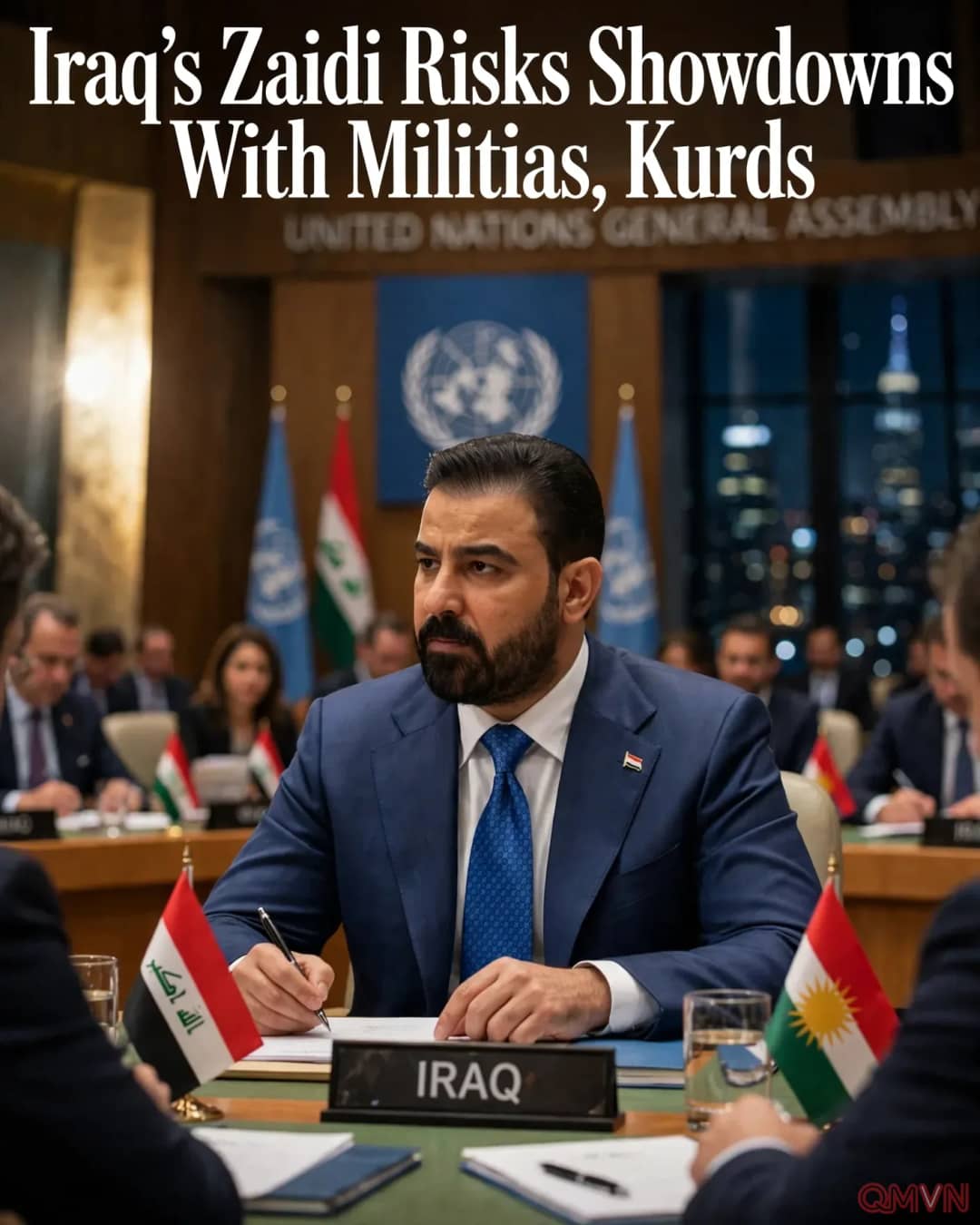
Zaidi’s November 24 directives placed the federal oil ministry at the centre of a renewed dispute over resource management. He also sought federal oversight of border crossings and insisted that regional petroleum exports pass through federal channels. These instructions are policy decisions, not proof that control has already changed hands. Reuters and the Financial Times reported resistance from Kurdish authorities, highlighting the difficult negotiations that implementation could require. Oil revenues underpin public budgets, making the distribution of authority a matter of daily economic security rather than merely institutional prestige.
The distinction between disputed oilfields and the constitutional status of Kurdistan is important. Federal jurisdiction over certain resources does not automatically erase the region’s recognized autonomy. Any durable arrangement would need to clarify who administers production, how proceeds are recorded and shared, and how contractual obligations are handled. Uncertainty over those questions can affect investment decisions and the payment of public employees. Transparency could help reduce disputes over revenues, but a unilateral administrative announcement alone cannot settle competing legal interpretations.