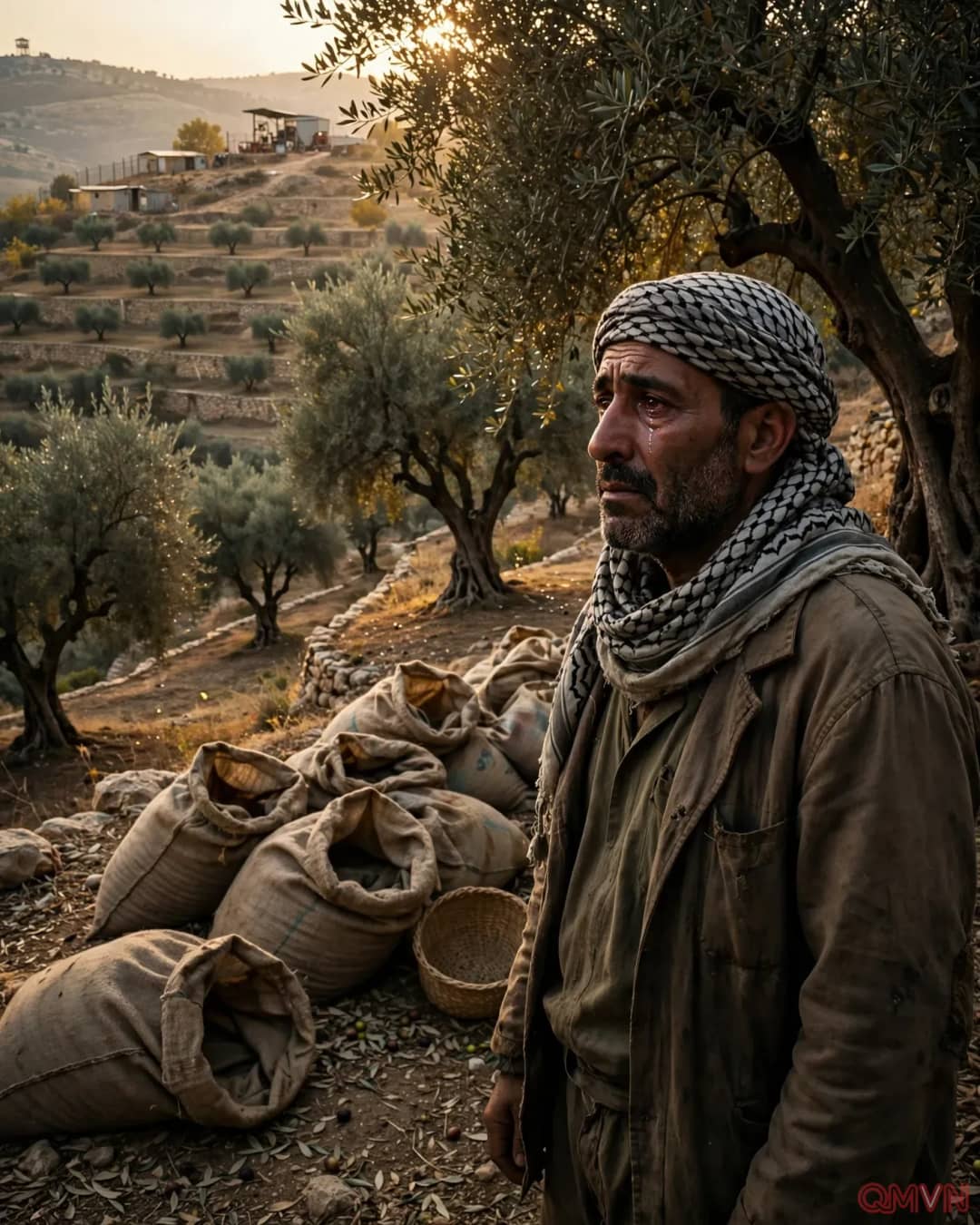
Tears Among the Olive Trees
Ahmed Salem, 50, was brought to tears as he recalled Israeli settlers hitting his cherished olive trees with sticks and making off with the olives near the village of Lubban al-Gharbi about two weeks ago. He said they dumped the olives into sacks and drove them to a nearby settler outpost to be pressed into oil; he did not dare intervene for fear of being attacked.
How would you feel if something that belonged to you was being violated, and you could do nothing about it?
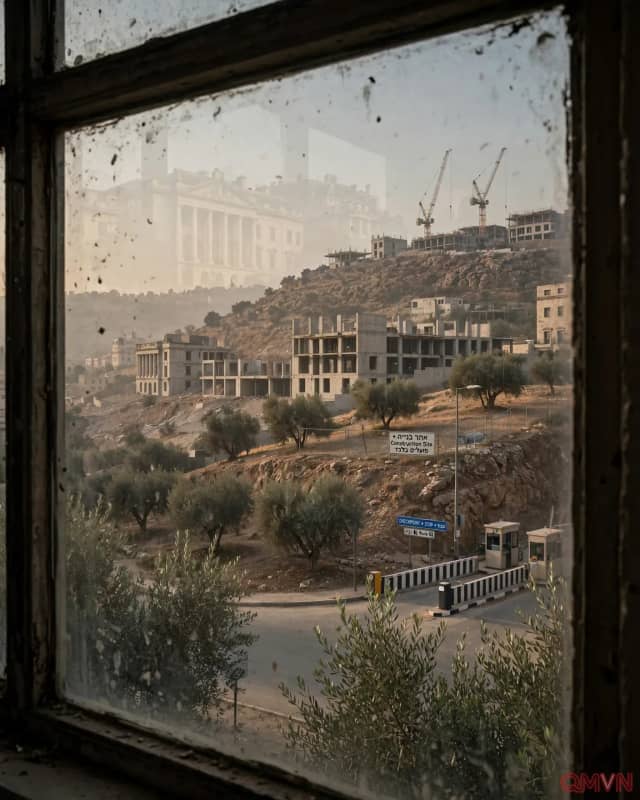
Hundreds of acres of land around the village, including olive groves, were fenced off and seized between 2023 and 2026 by Avichai Farm, a settler outpost on a nearby hill. At the start of the harvest, settler social media groups urged Israelis to pick West Bank olives and bring them to the farm’s press. A website run by the Farms Association – a settler group that Reuters has reported receives significant financial support from the Israeli government – sells the farm’s olive oil for about $20 a bottle. The couple living at the outpost declined to be interviewed; a man on the road to the farm said he was bringing 14 bags of olives from trees he grew himself.
Alarming Numbers
According to Yesh Din, attacks and crop thefts have soared during this year’s harvest, and Palestinian authorities say people have been killed. Some key figures:
- 125 physical attacks on Palestinian olive harvesters in the first 24 days of the season.
- 168 incidents of crop theft, with Israeli military forces present in at least a quarter of cases.
- Three Palestinians killed and several journalists, European diplomats and a French mayor injured, according to Palestinian authorities.
But settlers can come and go freely, and that’s what they do.
According to Ziv Stahl, Yesh Din’s executive director, with hundreds of small outposts established under Netanyahu’s government since 2022, the military has increasingly restricted Palestinian access to nearby areas, including many olive groves.
The Israeli military has also uprooted trees with excavators, citing a need to prevent Palestinian attacks.
Conflicting Voices
An Israeli military official said it takes acts of violence, criminal activity and attempts to undermine security very seriously, without referring directly to settlers. Israel said it was investigating some incidents. A government spokesperson said olives “picked by a Jew in the ancestral homeland of the Jewish people” did not constitute theft and that Jews own and cultivate “millions of olive trees” in the area, adding that no one should take the law into their own hands.
Jewish rabbis are also divided. Prominent Orthodox rabbi Dov Lior wrote in an open letter that settlers should harvest across the West Bank, asserting that Palestinians had no ownership rights to the land. By contrast, Zev Weitman, the rabbi of the Alon Shvut settlement, was clear in his opposition.
From my perspective, I define it as theft or robbery, and it is forbidden.
An Olive Season Before the Election
The attacks have accelerated ahead of next week’s Israeli election, in which polls show Netanyahu’s pro-settler coalition could lose to opponents who take a more critical stance on settler violence. UN bodies and most countries deem settlements on occupied land illegal under international law; Israel rejects this, viewing the territory as disputed. Stahl called the violence part of a campaign of “ethnic cleansing” – an accusation Israel rejects.
Farmer Samer Ben Shamsi from the village of Beita near Nablus said masked settlers attacked him on October 9 and sped away in a pickup truck with the olives he had just harvested. Over the past year, he said, he had been shot in the leg, beaten and had his possessions smashed.
We pay in blood for the olives.