Praise at the White House
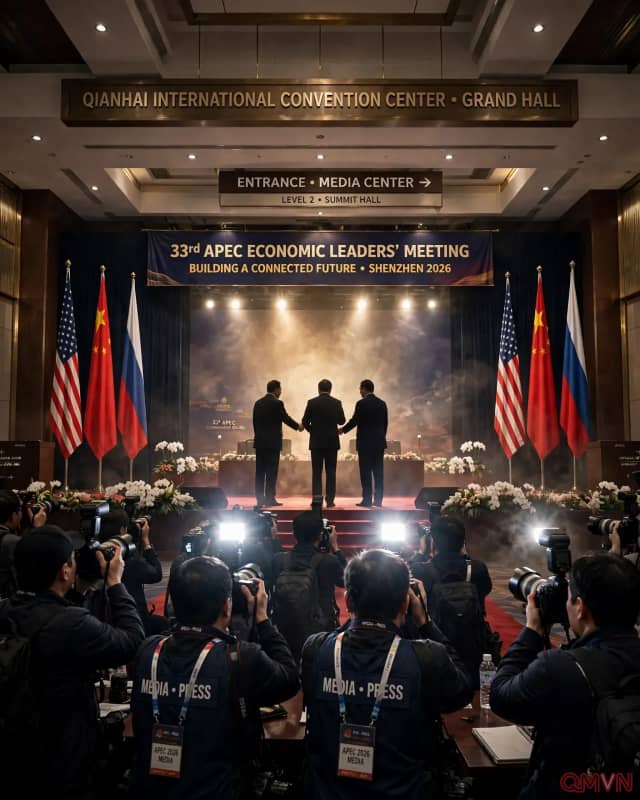
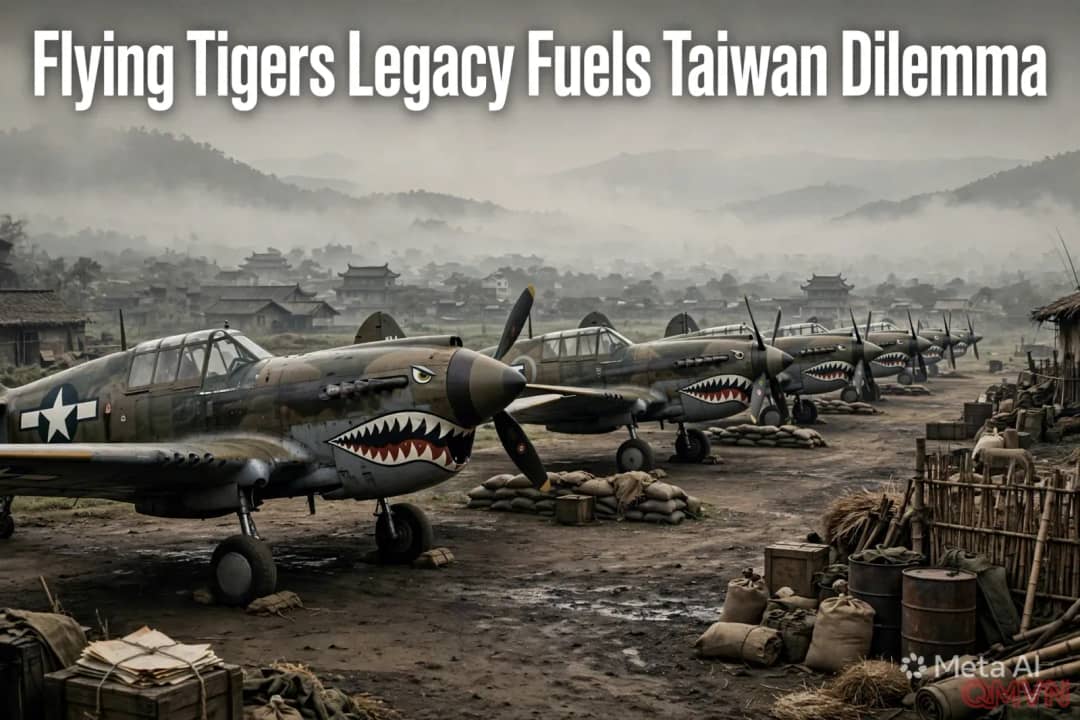
During Xi Jinping’s visit to Washington last week, the two leaders repeatedly invoked wartime Sino-US cooperation. Trump described the two countries as World War II allies and praised the Flying Tigers, a unit of American military personnel who helped defend China against Japanese air raids, while Xi recalled the two nations fighting “side by side” against Japanese militarism. A White House fact sheet later said the leaders recalled that the US and China “were allies in World War II and fought side by side to win the war”.
In Taiwan, the words raised concern that a historical connection that could have been valuable to Taipei has instead become glue for ties between Beijing and Washington. When China fought alongside the Allies, it was represented by the Republic of China (ROC), the government overthrown on the mainland in 1949 when Communist forces won the civil war and founded the People’s Republic of China (PRC).
Taipei’s response and the ruling party’s dilemma
Taiwan’s Deputy Foreign Minister Wu Chih-chung objected to the wartime references at the summit, accusing Beijing of trying to replace the ROC’s role and describing it as part of its “narrative diplomacy”. Yet the dispute also exposed a dilemma for the Democratic Progressive Party (DPP), which is now invoking the ROC’s wartime legacy internationally after years of seeking to distinguish Taiwan’s history and identity from mainland China.