MAIN STORY
A temporary bridge across an aid gap
UNICEF described the arrangement as a $25 million, one-year agreement covering procurement and delivery of maternal, newborn and child-health supplies, as well as certain nutrition products, in at least 15 countries. The US State Department confirmed that UNICEF would take over the American-funded programme without detailing every operational term. In the context of the broader reductions in US foreign assistance, the amount is modest. For clinics, however, continuity can matter more immediately than the headline sum.
The previous supply arrangement, funded by USAID and run through contractor Chemonics, was due to expire at the end of September. Meanwhile, important implementation details of newer country-to-country health agreements remained unsettled. Without a working route to place orders, even a pledged donation may leave hospitals waiting for months. UNICEF said no orders had yet been made under its new agreement but anticipated that they would begin shortly.
The real cost of an empty medicine shelf
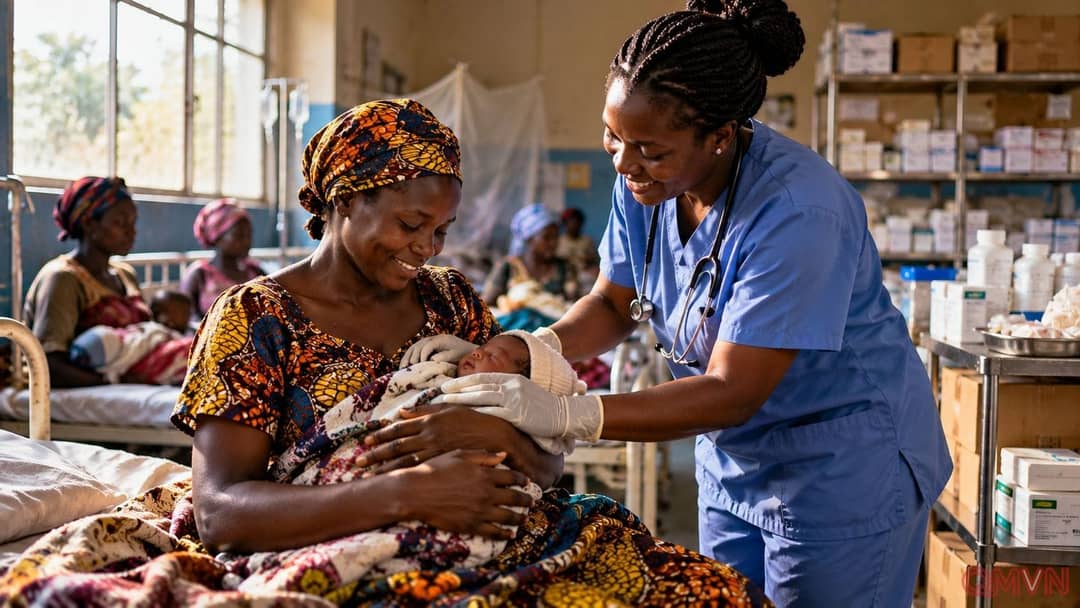
At Nyangezi General Hospital in eastern Democratic Republic of Congo, health workers reported shortages of oxytocin, used to prevent and treat severe bleeding after childbirth, and amoxicillin, an antibiotic used for some maternal and paediatric infections. Midwife Alice Bulambo explained that medicine formerly received through USAID donations was no longer available.