MAIN CONTENT
A remark about costs, not an ultimatum
Speaking to reporters in Kyiv on Saturday, Zelenskyy described Trump's intervention during the Coalition of the Willing meeting in Berlin. According to the Ukrainian president, Trump observed that European governments were spending heavily on Ukraine and could devote that money to domestic priorities after the fighting ended. Zelenskyy stressed that the remark did not sound threatening. The distinction matters: it was Zelenskyy's account of a conversation, not an announced US decision to withdraw assistance or a proposed budget reduction.
European states are facing competing demands for defence readiness, energy security and public services. But Ukraine's backers also view support for Kyiv as an investment in continental security. In a joint statement after the November 19 Berlin talks, coalition participants reiterated commitments to military equipment, training, financial assistance and pressure on Russia. Their declared priority was a peace that can endure, not merely a temporary reduction in spending.
Negotiations encounter the Donbas divide
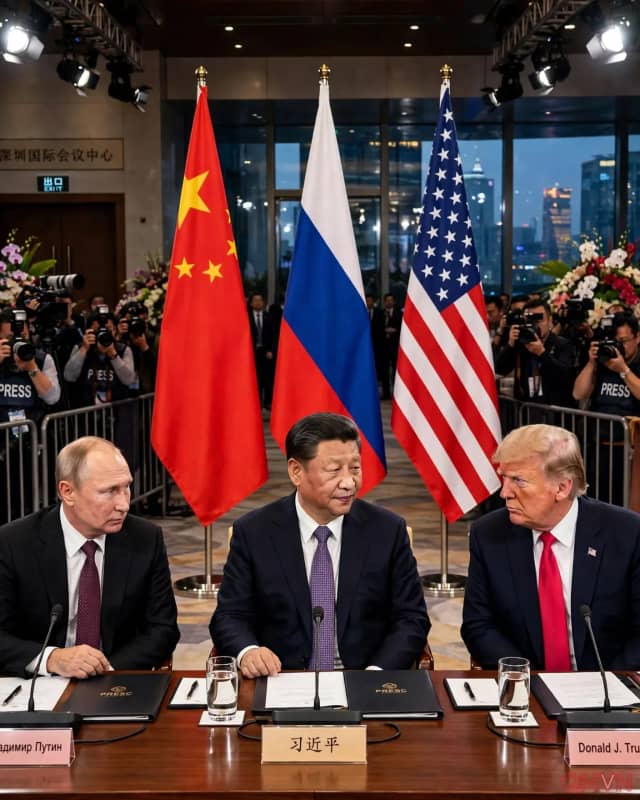
Trump said after returning to Washington that Putin had conveyed a desire to end the conflict through diplomacy during their meeting with Chinese leader Xi Jinping in Shenzhen. Zelenskyy offered a sharply different assessment: he was less convinced than the Americans that Moscow was ready to compromise.