MAIN ARTICLE
Landfall near Ongole
Weather updates early on November 3 showed Murasu moving north-northwest across the Bay of Bengal before crossing the shoreline between Nellore and Narsapur, close to Ongole in Prakasam district. Forecasts issued the previous day had placed landfall around midnight or early morning; subsequent observations put the coastal crossing at approximately 3:30–5:30 a.m. Indian time. Distinguishing a forecast from a confirmed observation matters especially when rapidly changing information guides evacuation decisions.
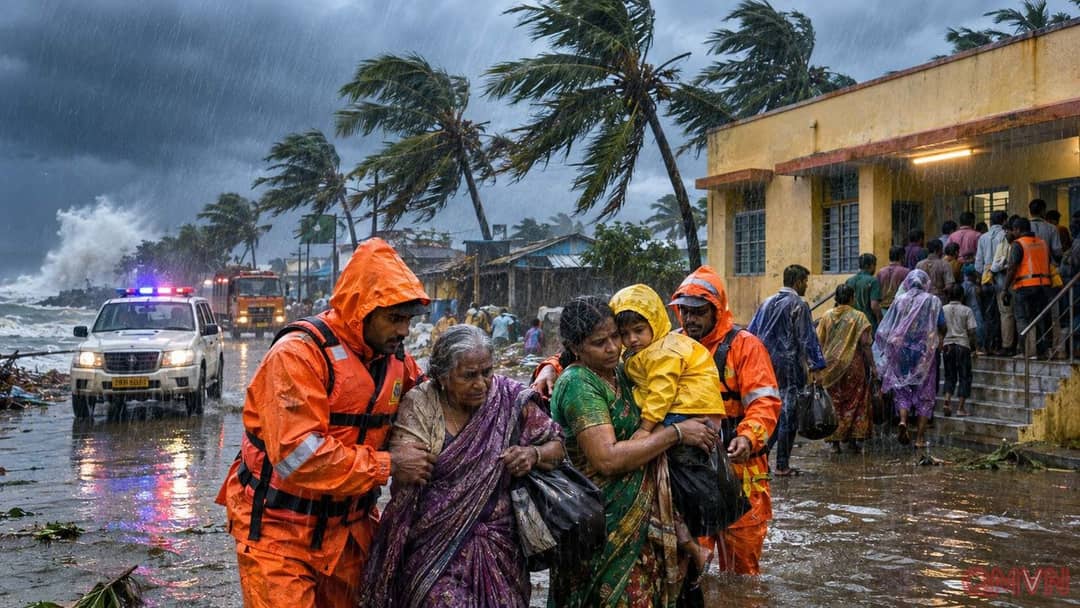
Sustained winds of 100–110 km/h can endanger light roofs, mature trees, power lines and small fishing craft. Gusts reaching 120 km/h represent short peaks, not constant wind speeds across every settlement. Even as the cyclone weakens after moving inland, rain bands and strong squalls can remain dangerous. Residents should not assume that the departure of the storm's centre means an immediate end to flooding or falling-debris risks.
Evacuations ahead of the storm surge
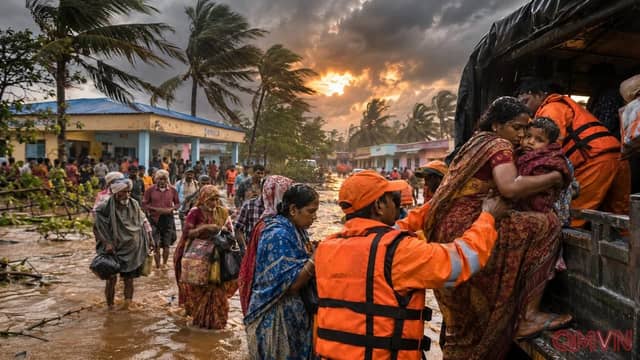
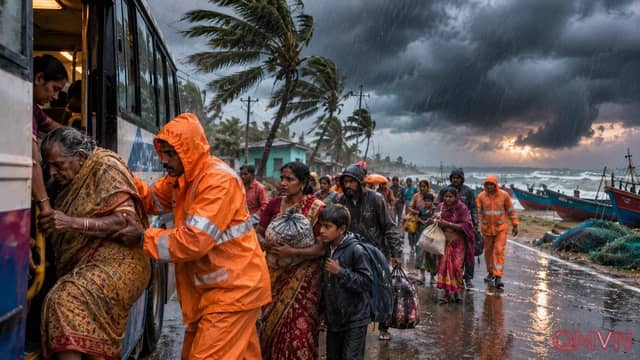
Andhra Pradesh authorities began moving people from vulnerable areas on November 2, with about 2,000 initially evacuated and preparations made to relocate tens of thousands more. Nellore, Prakasam, Bapatla and Krishna were among the districts highlighted for significant impacts. Schools, community buildings and relief centres can provide a crucial refuge for households whose homes are not safe during the storm.