MAIN STORY
Evacuation before the strongest winds
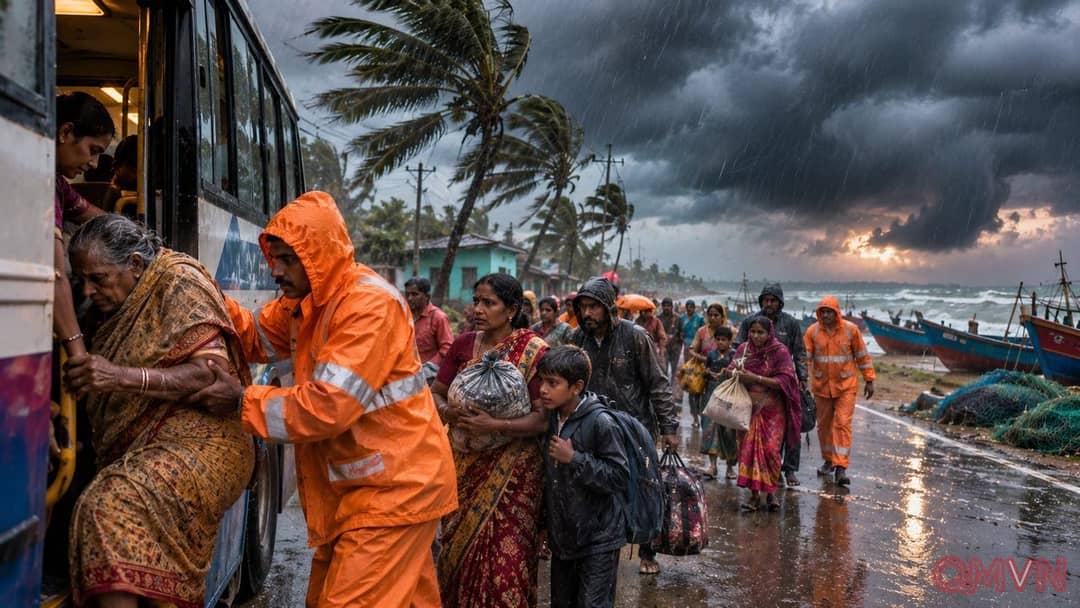
The emergency effort reached coastal villages, low-lying neighborhoods and remote hill settlements. Odisha officials reported that nearly 72,000 people had been relocated as of November 19. Evacuation areas included Ganjam, Gajapati, Kandhamal, Rayagada, Koraput and Malkangiri, with Ganjam particularly exposed to the projected landfall corridor. Moving residents is not simply a matter of arranging buses. Authorities must identify elderly people, children, pregnant women and families living in fragile houses, then ensure that safe destinations remain accessible during worsening weather.
Chief Minister Mohan Charan Majhi described preventing deaths as the central objective. Officials prepared temporary accommodation, food, backup communications and rescue arrangements. Public briefings referred to different shelter totals: one cited 3,000 cyclone shelters, including 448 operational facilities, while another mentioned 7,900 identified shelters. These counts may refer to different categories or stages of readiness; they should not be presented as directly comparable. What matters operationally is whether each designated site has the staff, supplies and transport links needed when families arrive.