Names few have heard of
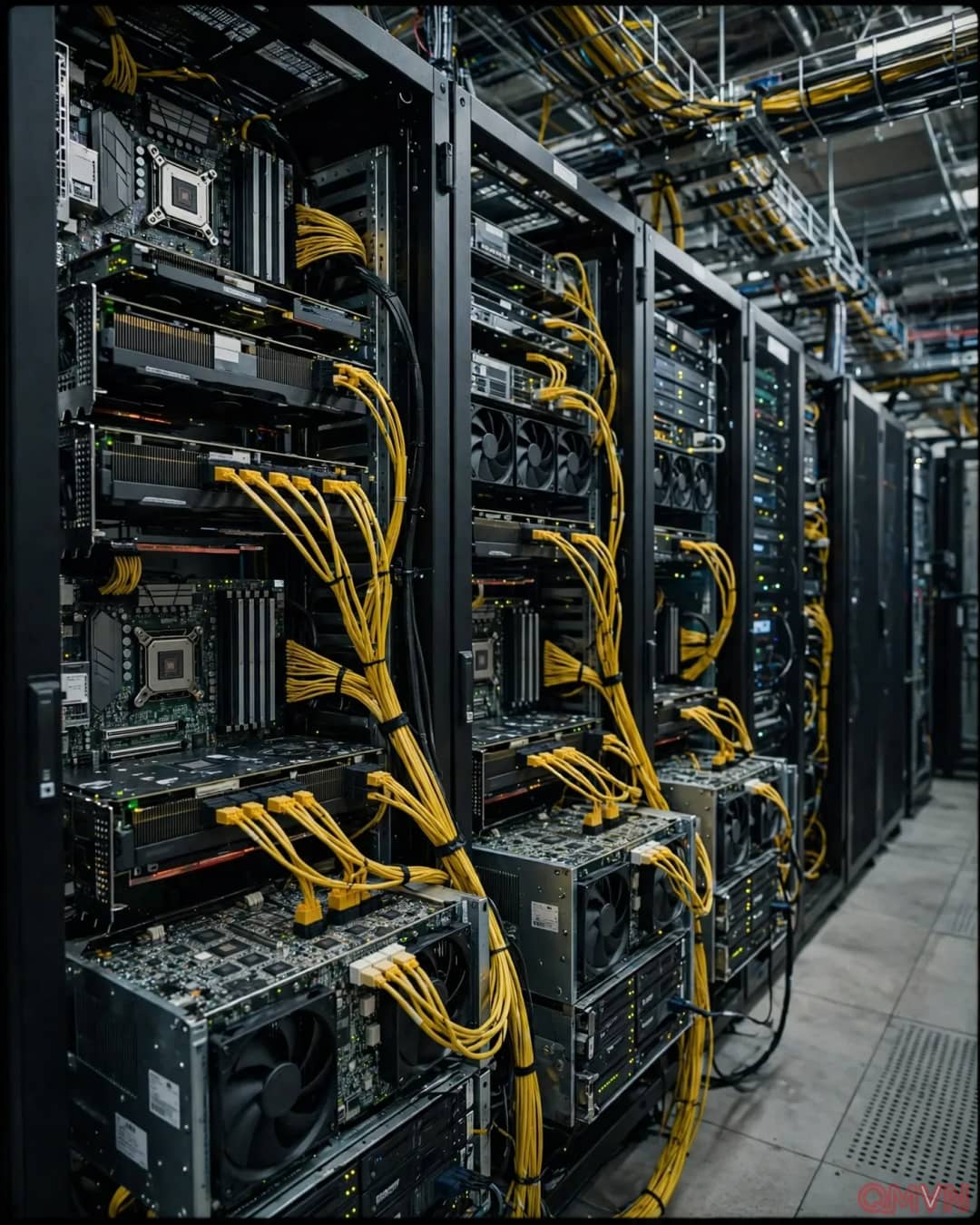
According to the BBC, neocloud companies run huge warehouses filled with servers and graphics processors, renting out computing power to AI developers. To the tech crowd in San Francisco and Silicon Valley, CoreWeave and Nebius are familiar names, but to the general public they are virtually unknown.
Now, this group of businesses has become the focus of one of Silicon Valley's most heated debates. Research firm Gartner predicts that 80% of neocloud firms will cease to operate independently by 2030, while Forrester expects at least three to be acquired soon as their finances grow shaky. By contrast, Treasury Secretary Scott Bessent said on CNBC that neoclouds are only a small part of the overall ecosystem.
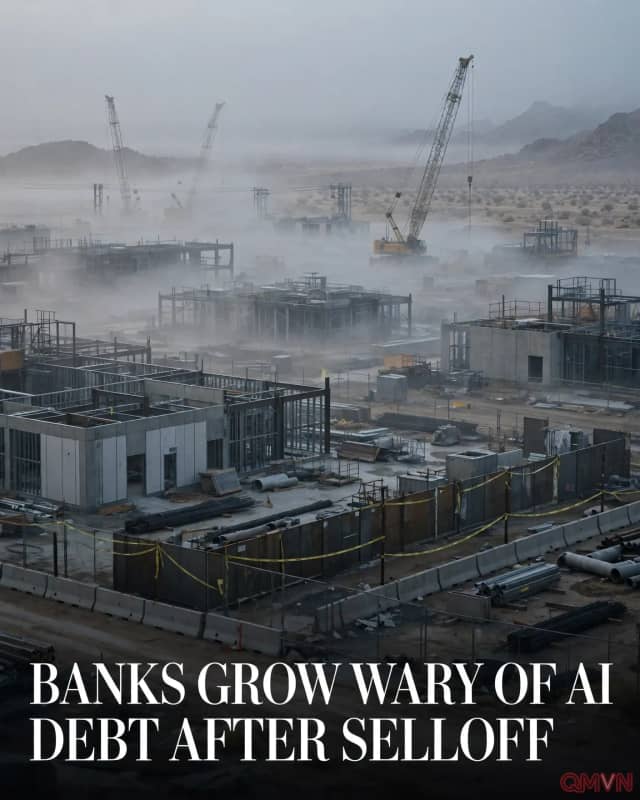
The debt burden
Neocloud firms typically sign long-term lease contracts with large tech customers that need fast access to computing power, then use those contracts and the AI chips they buy as collateral to borrow money. According to analyst Cory Johnson of IPO research firm The Quiet Period, debt is common in the industry because the hardware must be paid for up front.
Johnson believes lenders sometimes weigh the creditworthiness of customers such as Microsoft or Meta more heavily than that of CoreWeave itself, which helps explain how the company built up $35.1 billion in debt. Now bond investors appear nervous and are demanding ever-higher returns from several firms in the sector.