MAIN ARTICLE
An anticipated performance ends with frustration
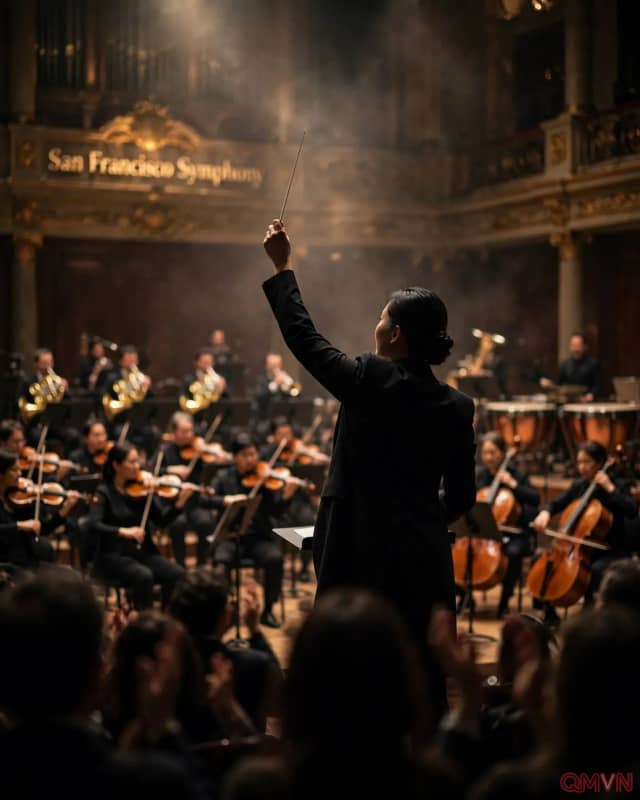
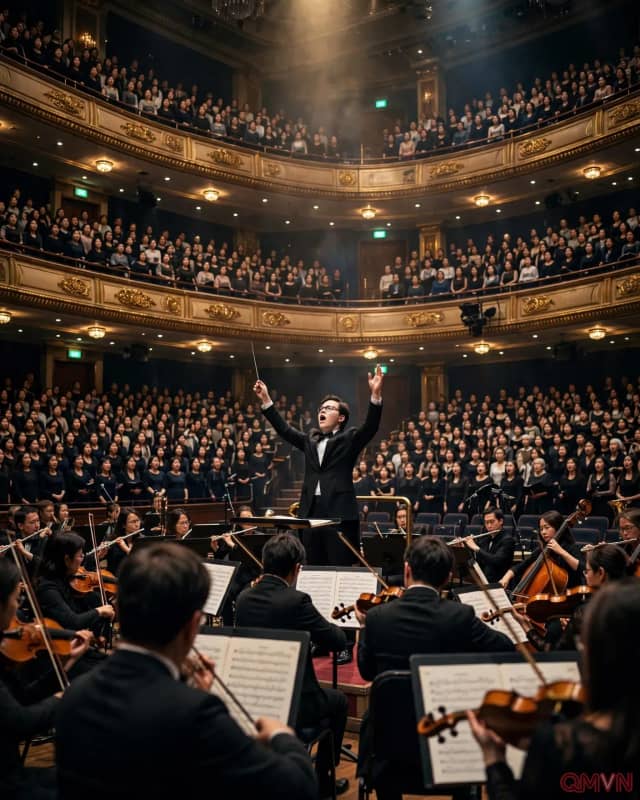
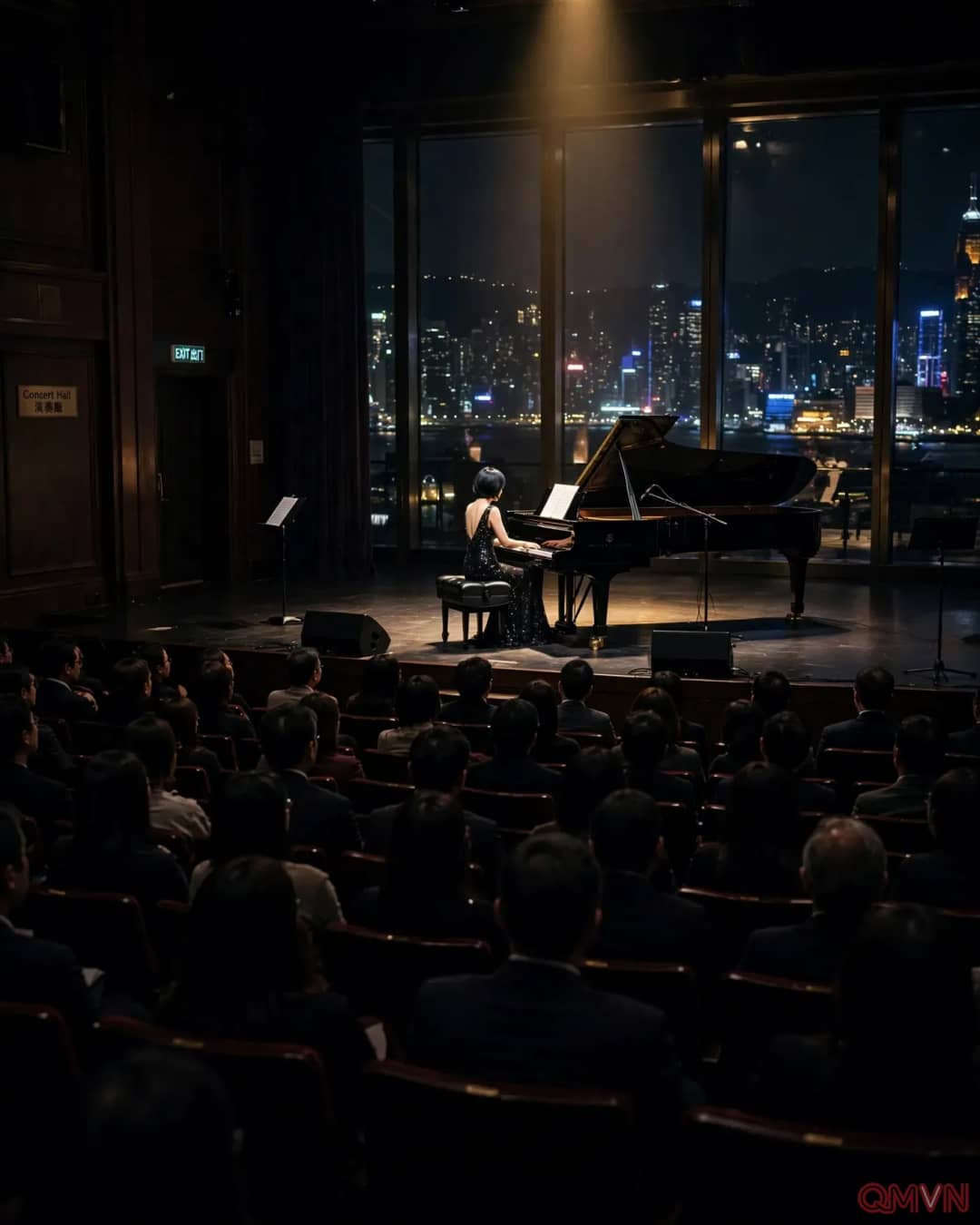
The November 10 concert at the Hong Kong Cultural Centre in Tsim Sha Tsui drew criticism after Tsfasman's Jazz Suite was removed from the bill. The work had been promoted as part of Wang's performance with the Mahler Chamber Orchestra. According to the South China Morning Post, Wang appeared for only a little more than half an hour, leaving some listeners dissatisfied with the amount of time they had seen the star pianist.
The two-night engagement formed part of PPHK's 20th-anniversary season. The presenter's advertised ticket prices ranged from HK$320 to HK$1,980. Audience concerns were not simply about whether the remaining music was performed well: they concerned the difference between the experience marketed in advance and what patrons eventually received.
Two conflicting accounts of the notification
In its initial explanation to ticket holders, PPHK said the musicians had made an artistic decision to withdraw the Jazz Suite from the entire Asian tour. It said it had continued negotiating for an alternative until shortly before the Hong Kong concert and that anticipated encores had not fully materialized. The presenter apologized and offered full refunds for the affected performance.
In a joint statement on November 15, Wang and the Mahler Chamber Orchestra disputed the suggestion of an eleventh-hour decision. They said the touring agency had communicated the revision weeks in advance, and faulted the local presenter for not notifying audiences earlier. PPHK maintained that it learned of the change in the final week of October and kept pressing for a replacement. These remain competing accounts, not a settled finding about responsibility.
Why the funding authority is now involved
After concertgoers complained to Hong Kong's Consumer Council, the Culture, Sports and Tourism Bureau asked PPHK for an account and said it would review the grant already approved for the group. A review is not, by itself, a finding of misconduct or a decision to withdraw the funding. It does, however, add a question of public accountability to the commercial dispute.
Public support for the arts carries expectations of responsible administration and clear communication. The issues include when the organiser received reliable notice, how it judged whether to amend advertising, and whether affected customers had a fair opportunity to choose between attendance and a refund. A refund can restore the ticket price, but not necessarily the travel, time and confidence that patrons invested in the occasion.
An industry lesson beyond a single concert
Last-minute repertoire changes can be legitimate artistic choices. Their legitimacy does not eliminate an organiser's obligation to communicate material revisions openly and promptly. Clear rules about decision-making, documentation and ticket-holder remedies can prevent an artistic difference from becoming a reputational crisis.
The case also highlights the layered relationships connecting a soloist, orchestra, touring agency and local promoter. When responsibility is dispersed, audiences can struggle to identify who is answerable. For the concert sector, a credible response means establishing a documented timeline, explaining how the refund scheme works and reporting transparently to any public body that helped finance the event.