US Defense Secretary Pete Hegseth digs in ahead of an impeachment vote as lawmakers warn of risks to military funding
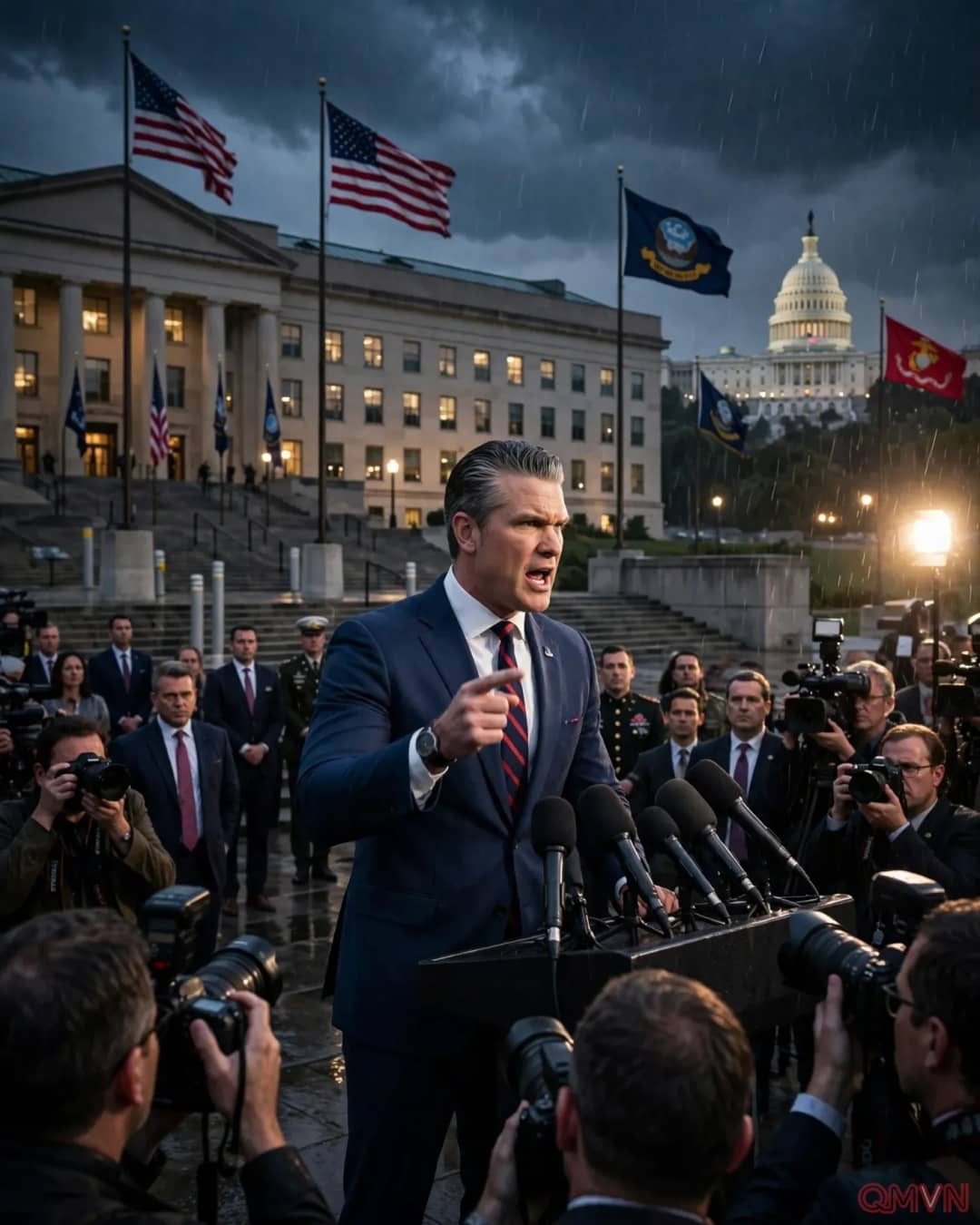
Ahead of an impeachment vote expected next week in the US House of Representatives, Defense Secretary Pete Hegseth has vowed to stay at the Pentagon for the rest of the Trump administration and is preparing an “aggressive defense,” according to The Wall Street Journal. If impeached, he plans to use the confrontation as a platform to defend his agenda, from the war with Iran to the ouster of senior officers and the rollback of diversity policies. His defiant stance comes as many lawmakers, including some Republicans, voice concern about the Iran strategy. Republican Senator Thom Tillis, who cast the pivotal vote to confirm Hegseth, now says he has “buyer’s remorse” and warns that defiance could torpedo hopes of extra military funding. President Trump continues to publicly back Hegseth.
Edite QUANG MINH·2 min read · 4 min listen·7 November 2026, 09:29 EST·
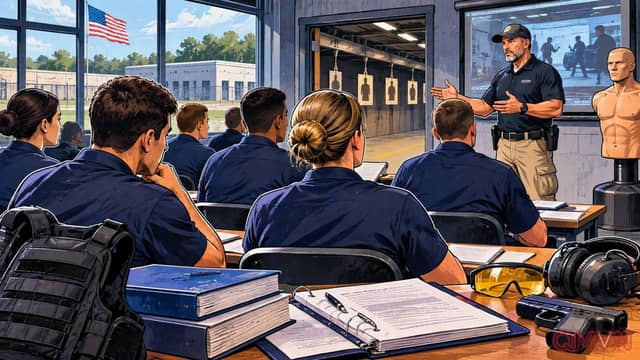
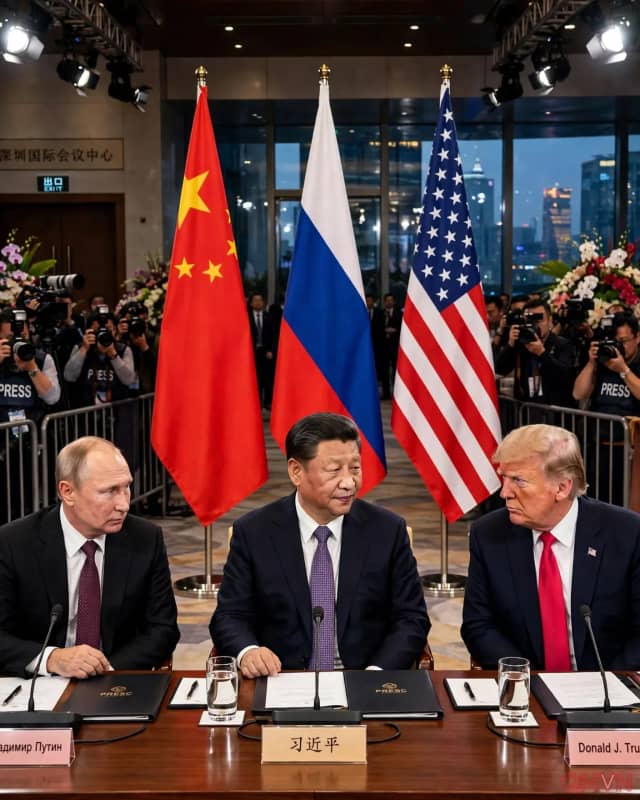
AI-generated illustration
No retreat
According to Pentagon officials, Hegseth has reassured allies that he is not angling for the Tennessee Senate seat of Marsha Blackburn, newly elected governor. Special adviser Tim Parlatore said he intends to serve the full four years.
He’s not going anywhere.
In a video filmed on the Pentagon steps, Hegseth cast himself as a warrior for Trump’s agenda, declaring he was more determined than ever to finish what he had started.
Advertisement
300 × 250
Pentagon deputy press secretary Joel Valdez said his team had met to map out an aggressive defence.
Voices of criticism
Hegseth’s defiance sets the stage for a bruising clash with lawmakers frustrated over the stalemated conflict with Tehran. Notable views:
Republican Representative James Comer, chair of the House Oversight Committee, said there were many questions about Hegseth and no idea what the strategy on Iran was going forward.
Senator Thom Tillis said Hegseth had “poisoned the well” with many members of Congress, including Republicans, and that he would support impeachment.
Democratic Representative Adam Smith, expected to lead the House Armed Services Committee next year, backs the impeachment effort and said Hegseth fired many highly capable people.
Charles Stevenson, a Johns Hopkins University lecturer, said the social media campaign to save Hegseth’s job was unprecedented, aimed at Trump and congressional Republicans rather than the public or Democrats, and unlikely to work.
Support from the White House
Hegseth’s position appeared more secure after President Trump on Friday named Stephen Miller, who shares his views on expanding the military’s role at the southern border and striking suspected drug smugglers, as White House chief of staff. Within minutes, Hegseth posted a photo with Miller captioned “Patriots in control.”
Trump has said both privately and publicly that he still backs Hegseth. Supporters at the Pentagon describe the impeachment push as political grandstanding unlikely to succeed, since a two-thirds Senate vote is needed to convict and remove him.
A rare process
Republican Representative Thomas Massie has signalled he will force an impeachment vote next week. If so, Hegseth would be the first civilian defence chief to face an impeachment vote in the House since Secretary of War William Belknap in 1876.
Even if he survives this year, Hegseth could be impeached again once Democrats control Congress next year, with subpoena power and control of the purse. Some Republicans have speculated Blackburn could appoint him to her vacant Senate seat, but a person close to her called it baseless speculation.
BACKGROUND OF THE EVENT.
Pete Hegseth, a former television host and military veteran, was confirmed as defence secretary in January 2025 in a narrow Senate vote in which Tillis’s support proved pivotal. His tenure has been marked by controversial decisions: the ouster of numerous senior generals, the rollback of diversity programmes, an expanded military role at the border, strikes on suspected drug-smuggling boats, and the war with Iran that began in February 2026 and has stalled. Supporters see him as someone willing to overhaul a bloated military bureaucracy and restore a “warrior ethos”; critics argue he lacks management experience and has politicised the armed forces. History shows midterm setbacks sometimes lead to national security shake-ups: in 2006, after Democrats won Congress during a low point in the Iraq war, President George W. Bush accepted Defense Secretary Donald Rumsfeld’s resignation. The knot lies in balancing political loyalty with accountability to Congress, which holds the power of the purse over the military.
KEY LESSONS FROM THE ARTICLE
Loyalty to a superior cannot replace accountability to the people.
Defiance may hold a post in the short term, but compromise builds lasting trust.
In a democracy, power always needs checks and balances.
Subscribe to the QMVN newsletter
A daily morning digest - only stories worth reading, no spam.