Loudhailers in the world's largest refugee camp
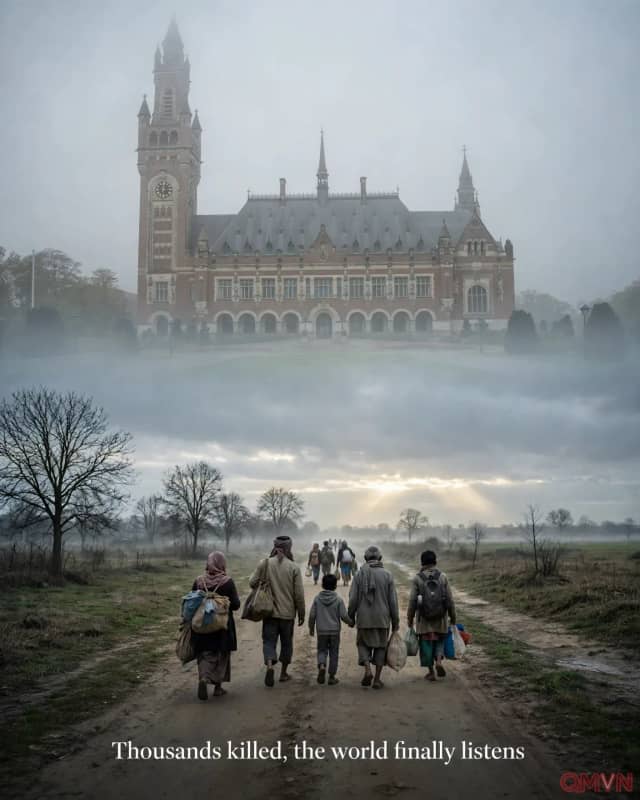
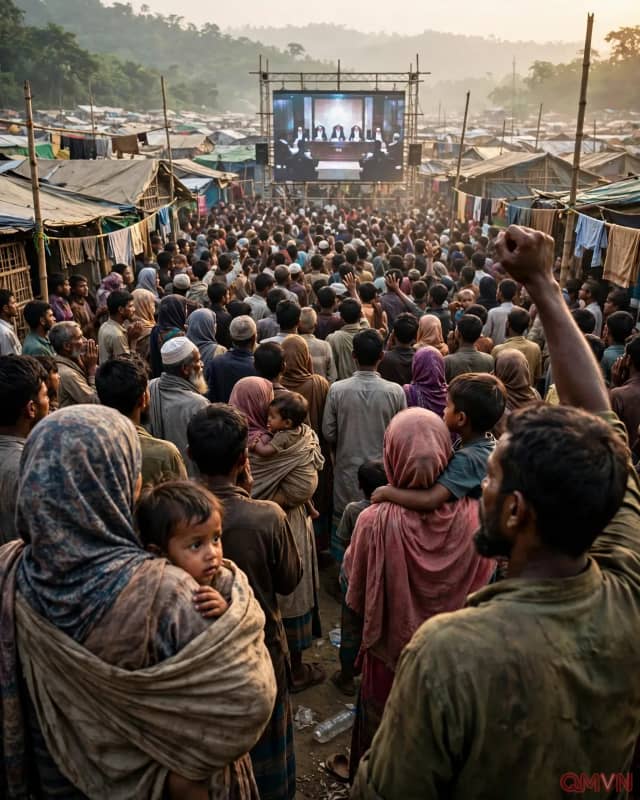
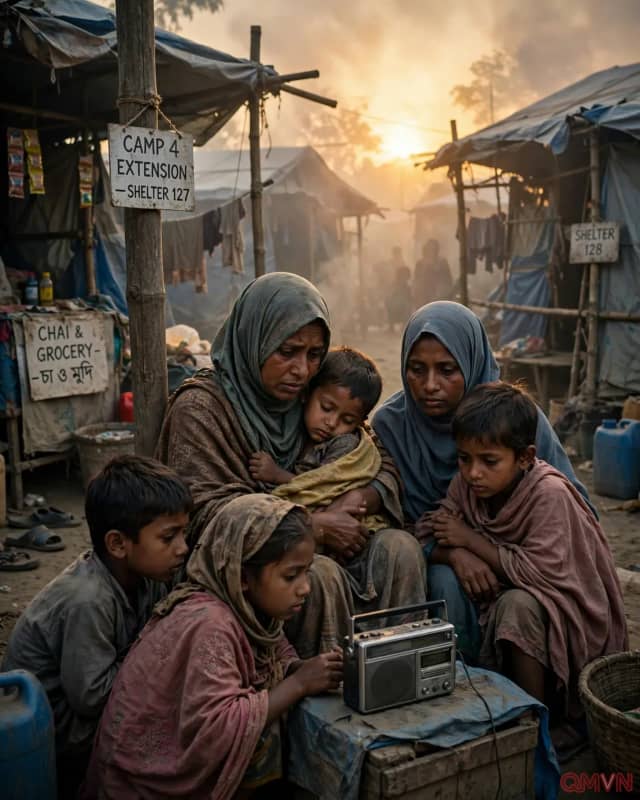
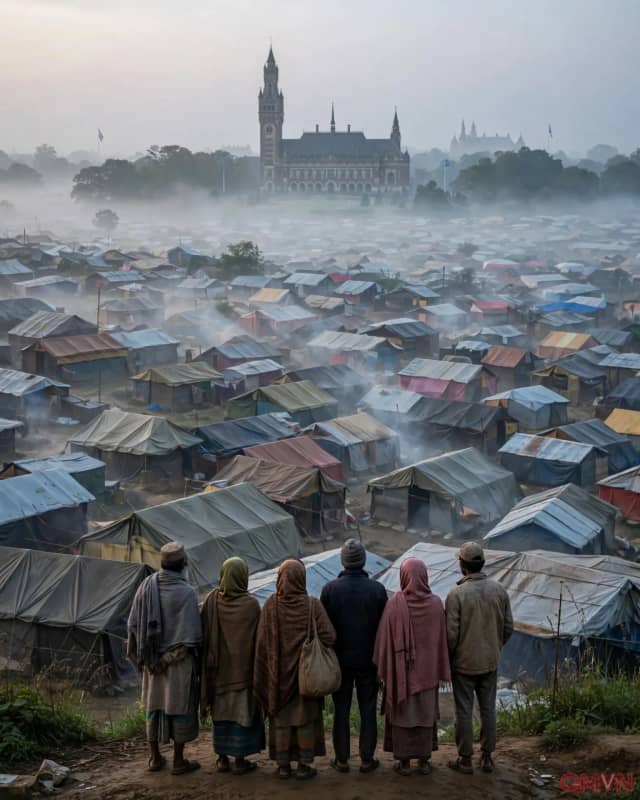
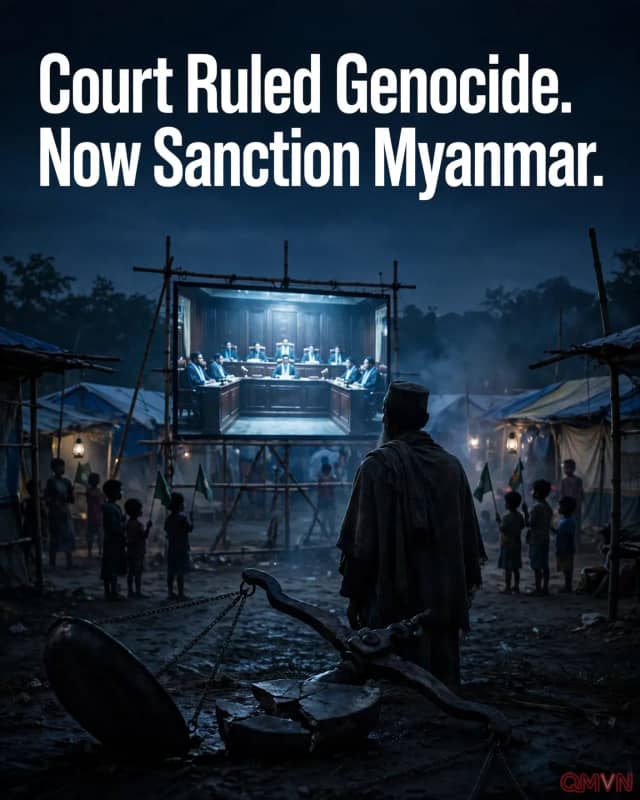
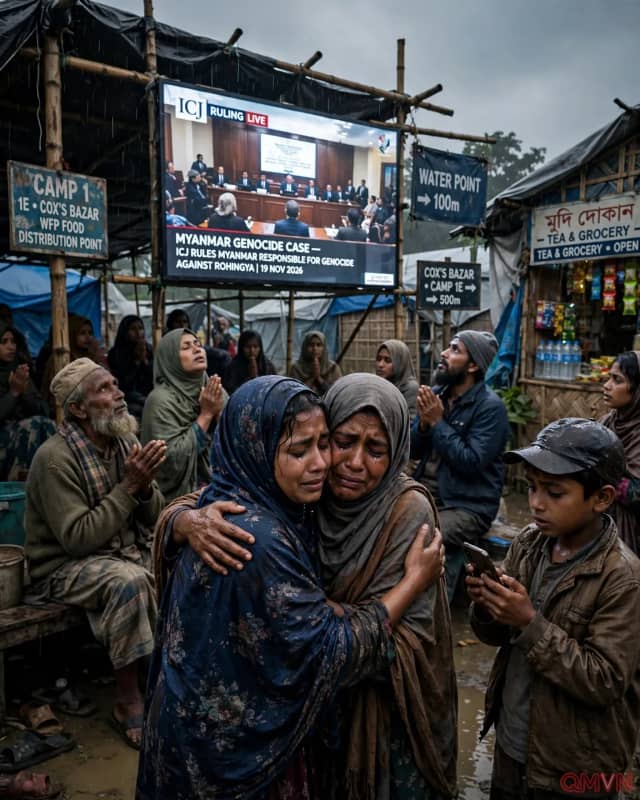
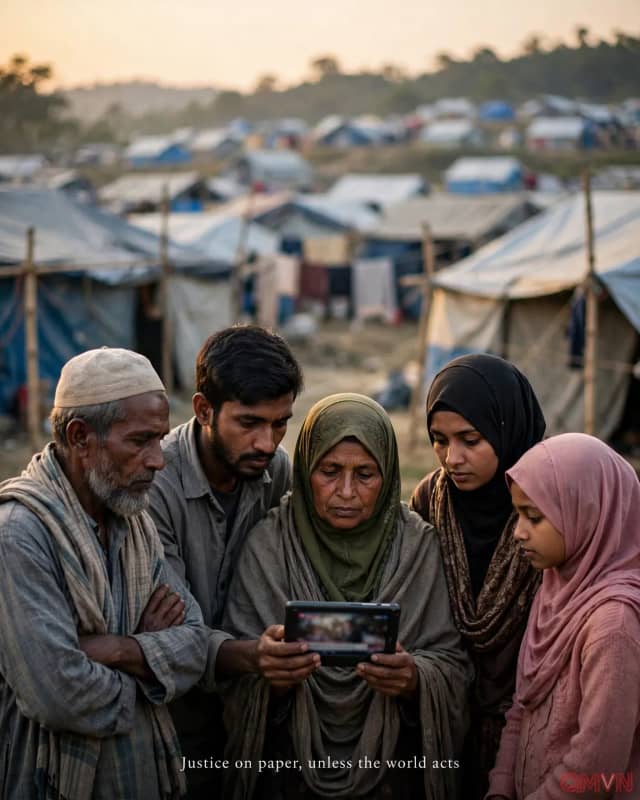
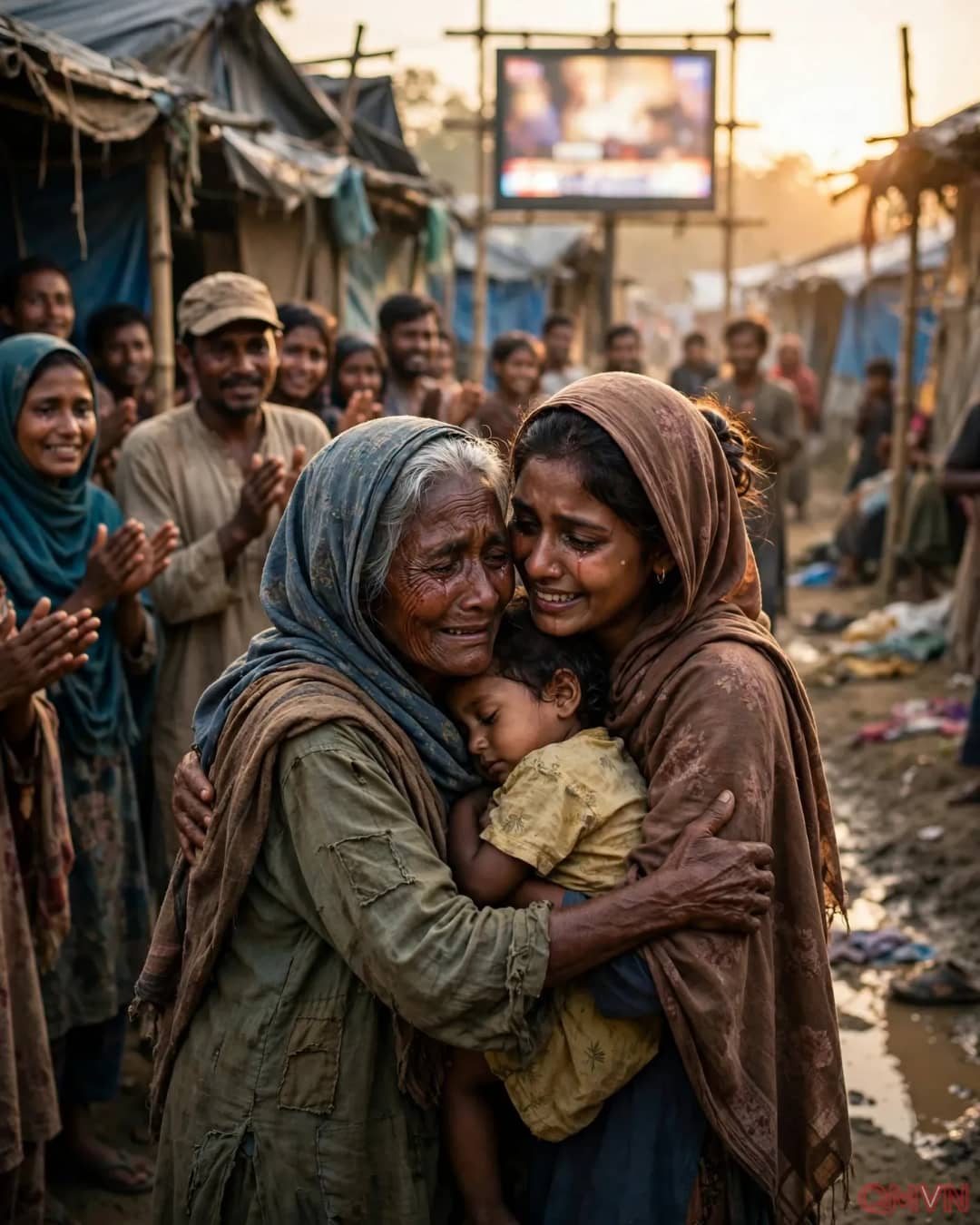
The judgment was read in the grand courtroom of the Peace Palace in The Hague, but its echo was loudest thousands of kilometres away. In Cox's Bazar, the world's largest refugee settlement, big screens and televisions were propped up between bamboo-and-tarpaulin shelters, rows of plastic chairs were set out, and interpreters were handed loudhailers to translate each sentence for the crowds.
When it became clear that the court had found Myanmar responsible for genocide, cheers and applause rippled through the muddy lanes. Mohammad Rofik, a community leader in the camp, called it a victory that finally recognised his people's suffering, while cautioning that it was not the end of their ordeal and that there was still a long way to go.
“We were not crazy”: a verdict on identity
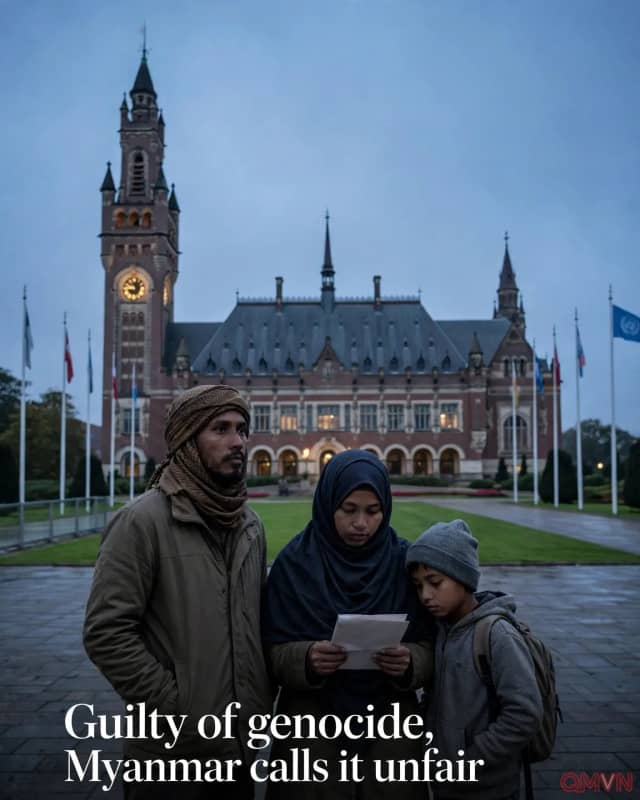
For many Rohingya, the most powerful part of the ruling was not only the word genocide, but the court's recognition of who they are. Yasmin Ullah, a Rohingya activist based in Vancouver who travelled to The Hague, described a bittersweet moment of validation after years of fighting for her community's pain to be acknowledged. She said she had not expected the judges to go so far in affirming that the Rohingya belong in Myanmar, after decades in which the state called them Bengali intruders.