MAIN ARTICLE
One television night is not one ballot
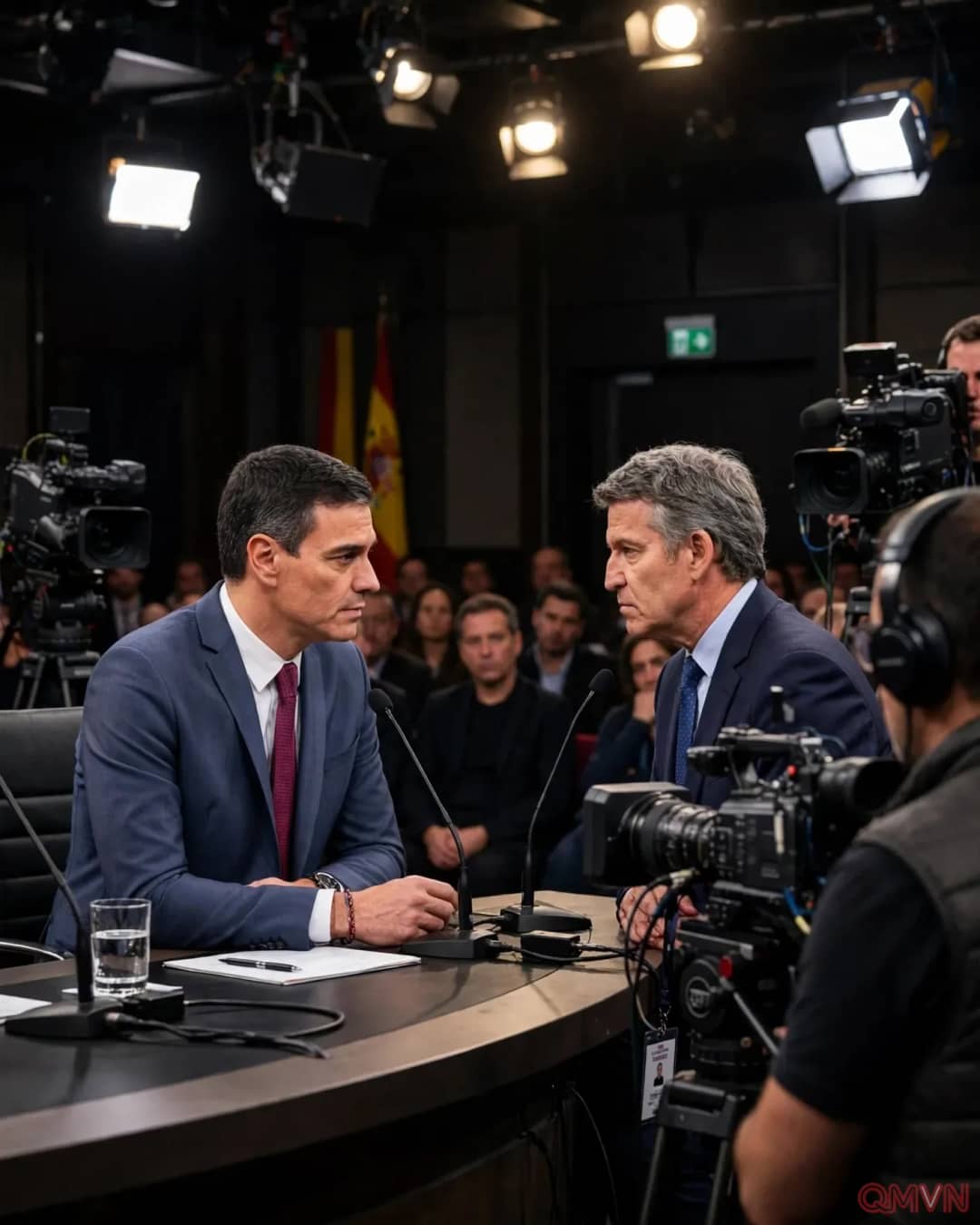
Feijóo emerged ahead in instant assessments of the November 19 face-to-face debate. Reuters reported that Sigma Dos respondents preferred his performance by 51% to 29%, while a 40dB assessment put the comparison at 43% to 33%. Those numbers describe respondents’ judgments of an event; they are not national vote shares and should not be presented as forecasts of the election result.
By contrast, the 40dB voting-intention tracking survey conducted November 16–20, incorporating interviews after the debate, estimated the PP at 31.9% and the PSOE at 31.2%, a difference of just 0.7 percentage points. Different questions, samples, and measurement windows can produce seemingly opposite stories: a candidate may win a television encounter while the electoral contest remains exceptionally close.
Viewers notice quick replies, composure, and an ability to expose contradictions. Voting, however, also involves longer calculations about housing affordability, wages, public services, stability, and the likely partners in a future administration. The most memorable moment need not become the most decisive issue.