MAIN ARTICLE
Two hearings, different responsibilities
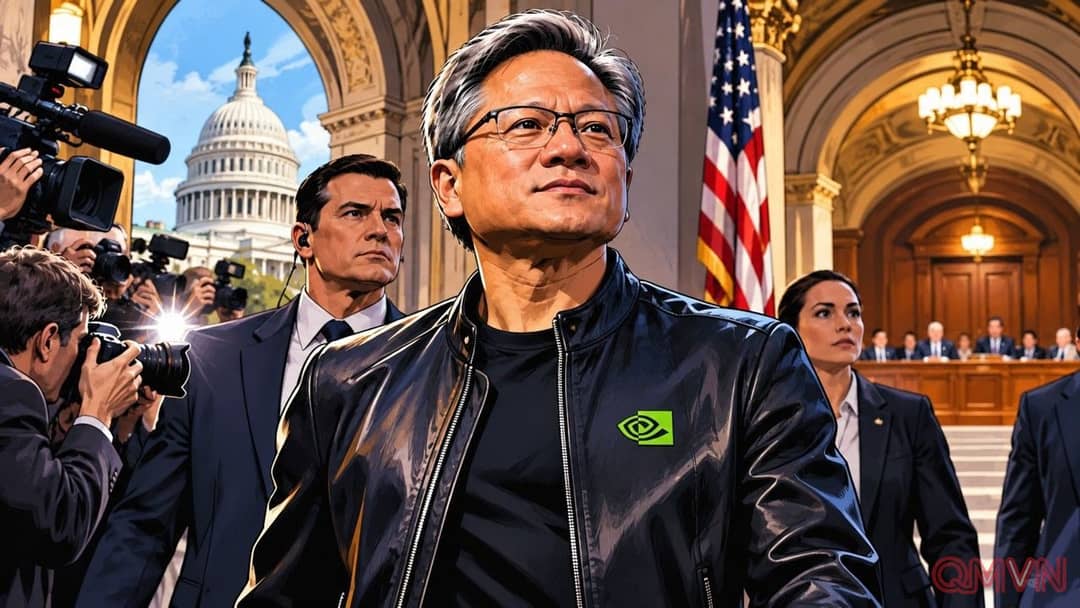
The December 1 interview offers House committees a chance to examine documents and seek detailed explanations away from television cameras. The December 3 Senate session will bring the controversy into public view. Reuters confirmed the planned appearances in reports on November 17 and 24. The distinction is important: an investigative interview can develop the factual record, while a public hearing allows citizens to assess the reasoning of both corporate executives and government officials.
The Wall Street Journal reported on November 24 that lawmakers also intend to question Nvidia's legal leadership and Commerce Secretary Howard Lutnick. Their inquiries concern the company's distribution network and the administration's licensing decisions. Republican senators including John Kennedy and Pete Ricketts have signaled that they want continuing oversight. The fact that a president supports an executive does not remove Congress's authority to ask questions.
The difference between a license and compliance
The US Bureau of Industry and Security (BIS) announced on January 13, 2026 that applications for exports of Nvidia H200, AMD MI325X and comparable processors to China would be evaluated individually, subject to security conditions. The change created a conditional route for approved transactions rather than an unrestricted opening of the market. A license authorizes specific conduct; it cannot by itself guarantee that products will remain with their intended recipients.
On November 20, AP reported that a congressional review identified approvals covering 879,868 processors across 21 applications involving companies with Chinese connections, as of May 11. These approvals should not be confused with actual deliveries. Nvidia told AP that its limited H200 shipments under the program were authorized. Investigators must establish which transactions took place, what controls applied and whether any subsequent diversion occurred. Allegations of wrongdoing are not proof of a violation.
What Congress needs to establish
The central questions extend beyond the private conduct of one executive. Reports about Huang's relationships have prompted lawmakers to ask whether sensitive information could have been exposed.
No conclusion that a particular person engaged in espionage follows merely from those reports. The inquiry should distinguish evidence of a security breach from speculation and examine the company's controls on their own merits.
Whether customer verification and post-sale monitoring were adequate.
Whether licensing officials and Nvidia maintained appropriate boundaries in policy discussions.
Whether the board independently assessed risks and documented the decision to reinstate its chief executive.
A business recovery with political consequences
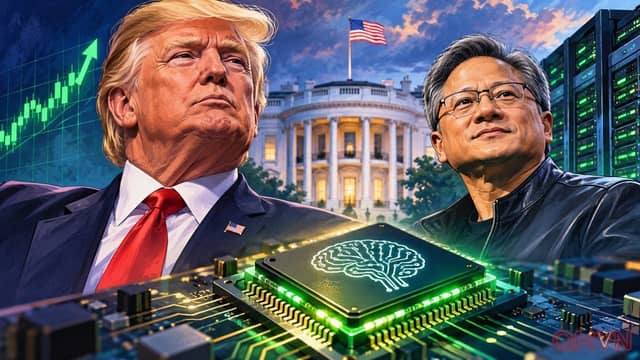
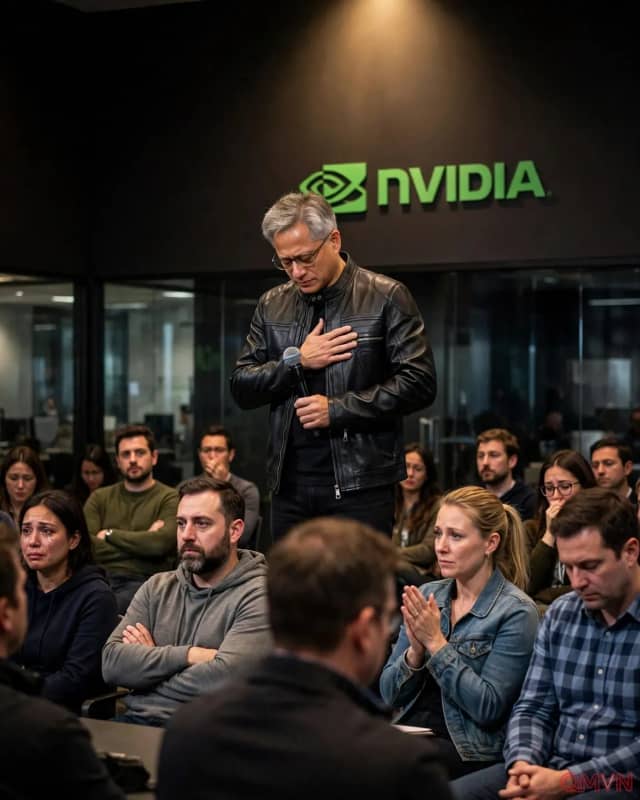
Reuters reported that Nvidia reversed its leadership decision on November 23 following Trump's intervention. The return brought relief to a market that had been unsettled by the leadership crisis. Yet shareholders face a longer-term question: whether the company's governance can function effectively even when its founder enjoys extraordinary political support.
Nvidia's annual filing with the Securities and Exchange Commission disclosed a $4.5 billion charge related to H20 inventory and purchase obligations after new licensing requirements in April 2025. This illustrates how regulatory changes can affect financial performance without any finding of misconduct. Predictable rules and reliable compliance are therefore commercial assets as much as public safeguards. If Congress identifies weaknesses, their correction could help reduce uncertainty rather than merely constrain innovation.
The competition that complicates regulation
Supporters of wider exports argue that American technology should reach international customers before competing ecosystems become entrenched. Advocates of tighter restrictions worry that advanced computing could strengthen military or surveillance capabilities. Both concerns deserve examination. The challenge is to design enforceable rules that distinguish legitimate commercial activity from prohibited end uses without treating every foreign customer as a threat.