MAIN BODY
A boardroom reversal and the limits of presidential power
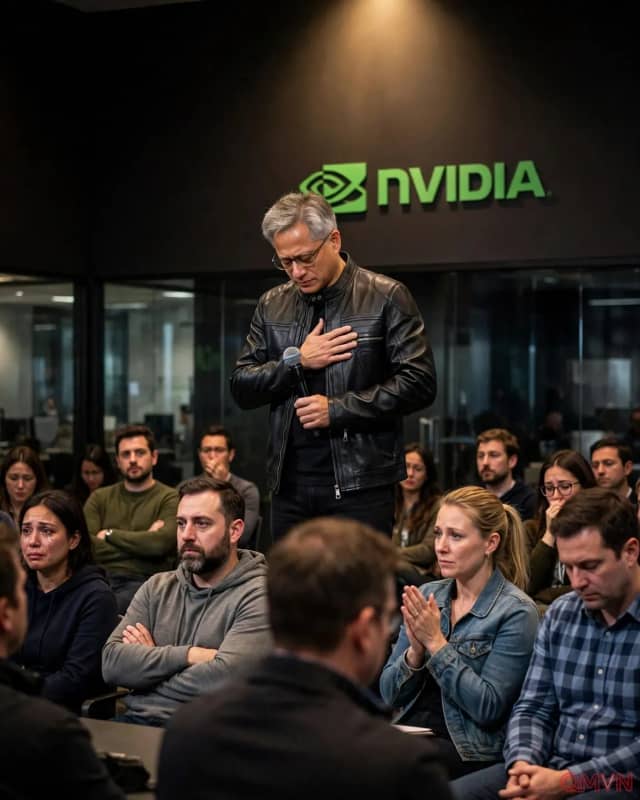
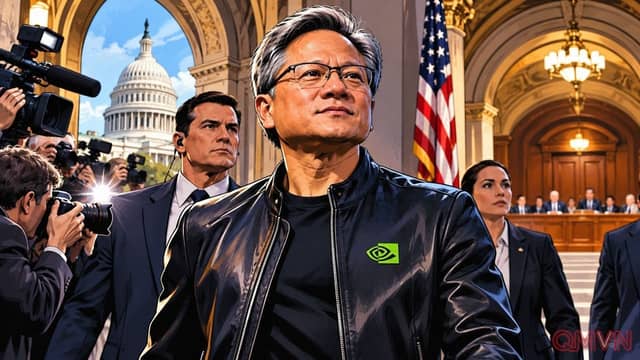
On November 17, the Associated Press reported that Nvidia's board had rejected Huang's bid to resume leadership. Within days, the company changed course amid political pressure and investor expectations. The striking issue is not simply the speed of the reversal, but the precedent established when a president intervenes directly in a private company's leadership decisions. Maintaining business continuity is a legitimate objective, yet directors remain accountable to shareholders for the decisions they make.
According to the BBC's analysis, Trump publicly claimed credit for the outcome during a CNBC interview. He maintained that Huang's reinstatement presented no national security threat. That assurance should nevertheless be distinguished from an independent legal finding. On November 24, Reuters cited a source familiar with the matter who said Huang had acknowledged to employees that he breached parts of Nvidia's code of conduct.
Technology security demands more than reassurance
The controversy involves allegations concerning Huang's personal relationships and whether advanced US technology reached Chinese users in violation of restrictions. Suspicions of intelligence activity are not established proof of criminal conduct.