When in Rome: Runjian’s lesson
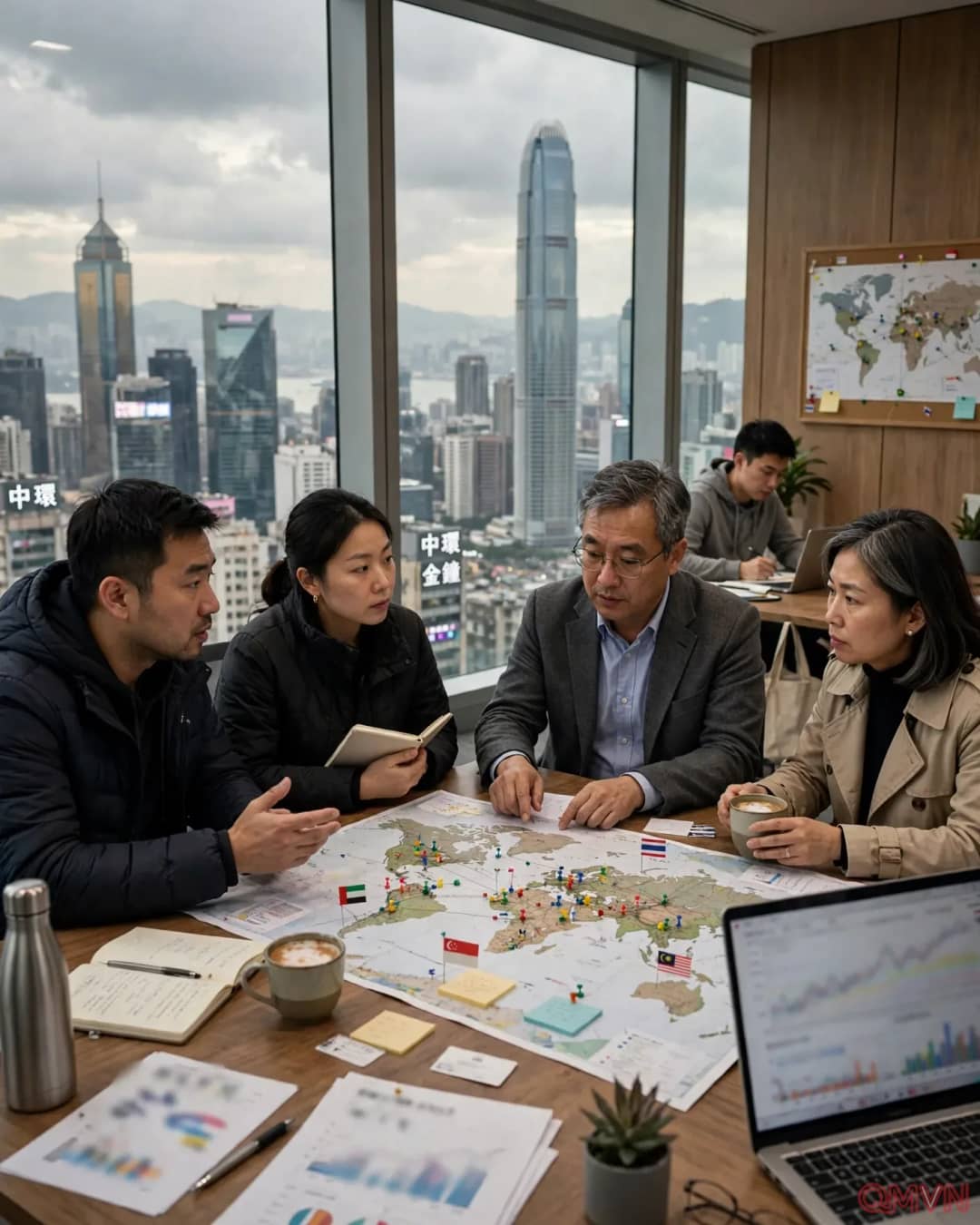
When Shenzhen-listed digital infrastructure provider Runjian expanded into the Middle East and Southeast Asia through Hong Kong, adapting meant more than translating software or complying with data privacy laws. The company had to change its working practices, abandoning the expectation that one mainland employee could match the output of three local hires, installing prayer rooms, arranging halal catering and adopting an unwritten rule not to eat or drink in front of colleagues fasting during Ramadan.
*“When expanding overseas, companies must do more than just take their products and technology abroad. We also need to respect local culture and truly integrate into the local market. When in Rome, you have to align with the local rhythm.” — Athena Zhao Hua*
Since starting its international expansion through Hong Kong in 2019, Runjian has entered Indonesia, Thailand, Malaysia, the Philippines and Singapore, with its overseas business growing at a compound annual rate of 33%. This year it expanded into Saudi Arabia and plans to enter Kyrgyzstan and Kazakhstan. In Indonesia, Runjian has gradually replaced Chinese senior leaders with local executives who better understand the business environment.