MAIN ARTICLE
More Than a Seasonal Crop
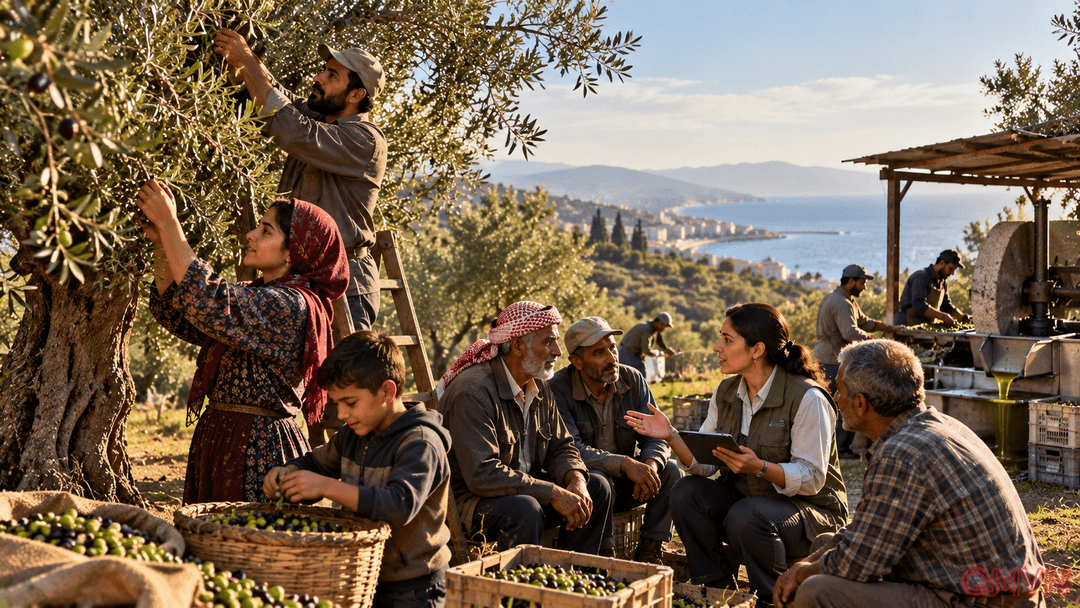
The Tartus meeting was held under an agriculture and food-security programme. According to Syrian news agency SANA, participants shared results from the RRMACS recovery initiative and examined ways to raise olive-sector efficiency, improve quality and create added value. Local officials and public-sector representatives attended, although the report gave no new budget or production targets.
The deeper issue is the difference between producing a crop and earning a sustainable income from it. A good harvest can still leave families vulnerable when transport is costly, buyers offer uncertain prices or poor handling erodes product quality. That is why an effective value chain must follow olives beyond the farm gate.
Quality Begins in the Grove and Ends at the Market
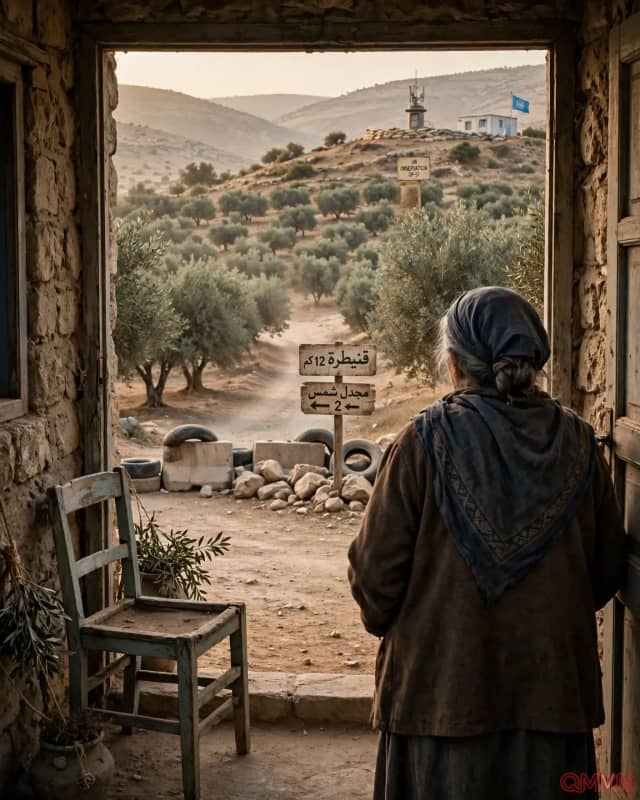
Good olive production depends on managing soil, water, pests and harvest timing. The UN Food and Agriculture Organization has documented Syrian farmer-training efforts that include insect traps, organic fertilizers and climate-adapted practices.