MAIN CONTENT
An overnight warning from Almetyevsk
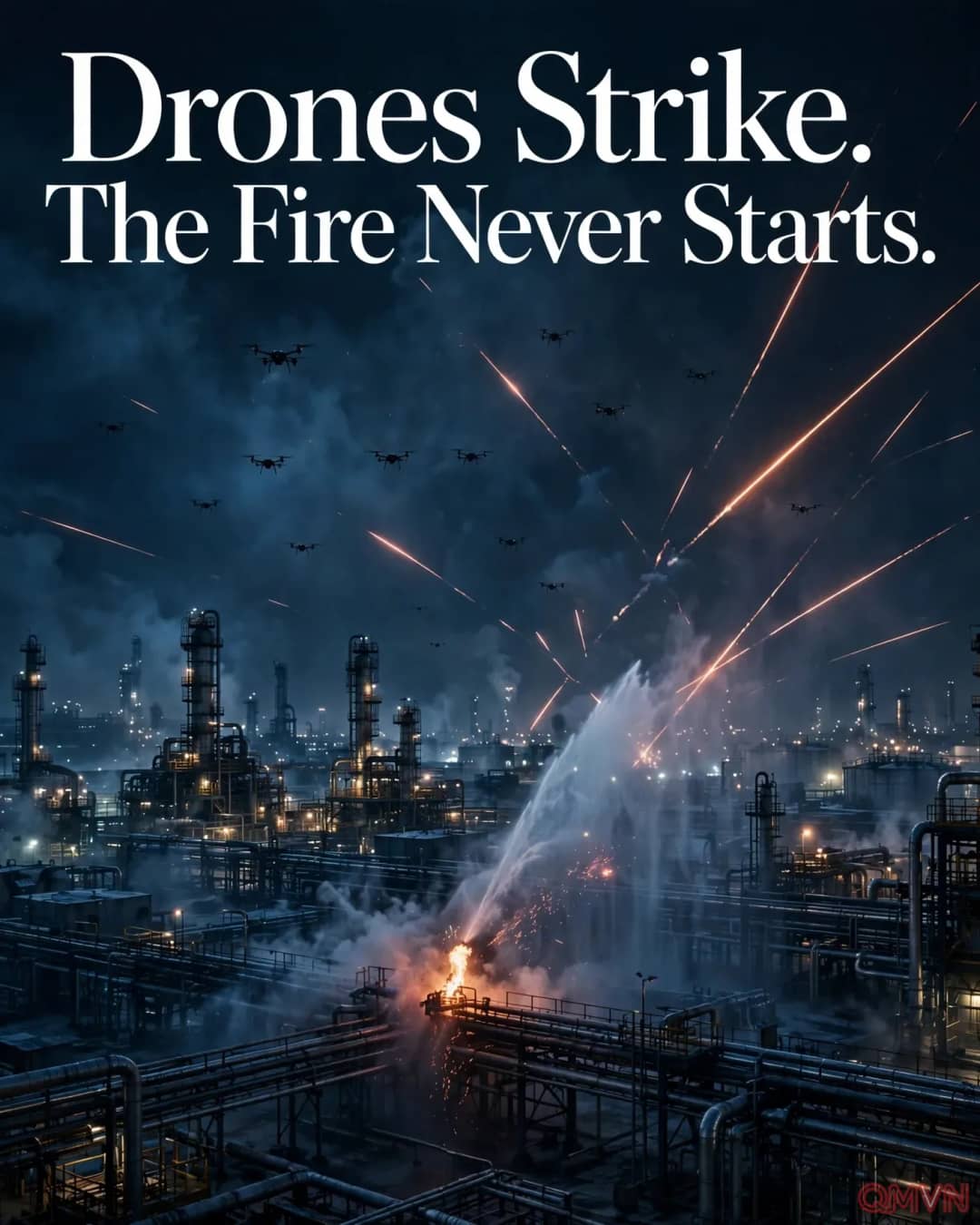
The incident unfolded near Almetyevsk, an oil-industry center in Tatarstan far from the principal front lines in Ukraine. Gyuzel Khabutdinova, who heads the Almetyevsk district, said the targeted facility avoided a large fire because automatic suppression equipment operated alongside security services. Her statement, reported by Reuters on November 19, also described damage to civilian properties from falling debris and said nobody had been injured. The location of the facility makes the attack a reminder that distance from the border is no guarantee of protection against long-range drones.
The available accounts leave important gaps. The exact operational consequences for the installation, whether production or fuel shipments were interrupted, and the cost of repairs were not independently established in the initial report. Those unknowns matter: an incident can be tactically limited yet still force costly inspections, temporary shutdowns or new security spending. Reporting should therefore distinguish an attempted attack, reported interception and verified physical damage rather than presenting any one official description as a complete picture.
Energy infrastructure becomes a central battlefield
Ukraine has increasingly targeted Russian oil facilities, arguing that fuel production and transport contribute to the resources available for the invasion. On November 18, Associated Press reported Ukrainian claims that strikes had hit two refineries in Russia’s Krasnodar region.
Those claims were presented as statements by Ukrainian officials, not an independently audited measure of damage. Such attacks carry potential consequences for refinery operations, domestic fuel availability, supply chains and government revenue, although their actual effects vary considerably from site to site.
For Moscow, defending a geographically dispersed network of pipelines, storage sites and refineries creates a demanding security problem. Interceptors, electronic defenses, firefighters and engineering teams cannot be concentrated at every location simultaneously. Even where air defenses work as intended, wreckage can land on nearby civilian infrastructure. The Tatarstan episode illustrates that physical protection is not only about intercepting incoming aircraft: contingency systems and the capacity to limit secondary damage can be just as important.
The Crimean Bridge and the wider escalation
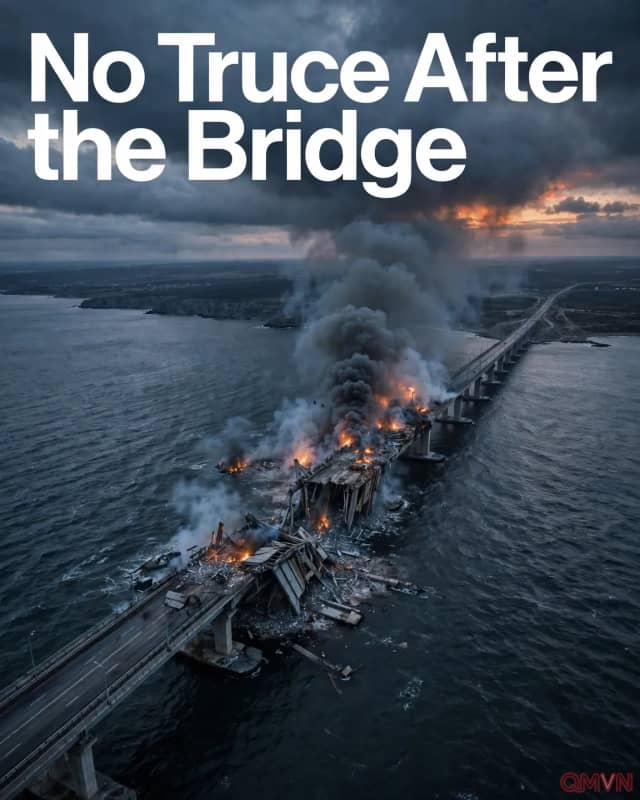
The attack coincided with reports of renewed disruption at the Crimean Bridge, a road-and-rail connection between Russia and the peninsula Moscow annexed in 2014. Reuters reported that Russian-installed authorities suspended traffic on November 19 following another attack and were assessing damage. The bridge has political symbolism and practical logistical importance, which makes any interruption particularly visible. The different targets—an oil installation and a transport link—suggest a campaign designed to strain multiple layers of Russian infrastructure rather than a single isolated objective.
Civilians face risks in both directions. Russian bombardment has repeatedly damaged Ukrainian cities and energy systems, while strikes inside Russia can endanger workers and nearby residents even when facilities linked to the war economy are the intended targets. International humanitarian law requires parties to distinguish military objectives from civilian objects and to take precautions to limit civilian harm. The fact that no injuries were reported in Almetyevsk is welcome, but it cannot erase the continuing risks attached to repeated attacks near populated areas.
Diplomacy under the shadow of strikes
The timing sharpened the contrast between diplomatic ceremony and events on the ground. The APEC gathering in Shenzhen drew attention to contacts among major powers, including the United States, Russia and China, while military operations continued. Yet it would be premature to assume that a specific drone strike was timed to influence a particular negotiation. The public information cited in the immediate reports did not demonstrate such a causal link. What is clear is that diplomatic discussions unfold against a backdrop of mutual mistrust and material pressure.
A durable reduction in violence would require more than statements about restraint. Arrangements to protect essential services, independently verify incidents and preserve communication channels could reduce the risk of accidental escalation, even before a wider settlement becomes possible. For residents of Tatarstan and Ukraine alike, the most immediate measure of progress is simpler: fewer air-raid warnings, less damage to civilian property and greater certainty that ordinary life can continue without the threat of another overnight strike.