The risk lies in habits, not just statistics
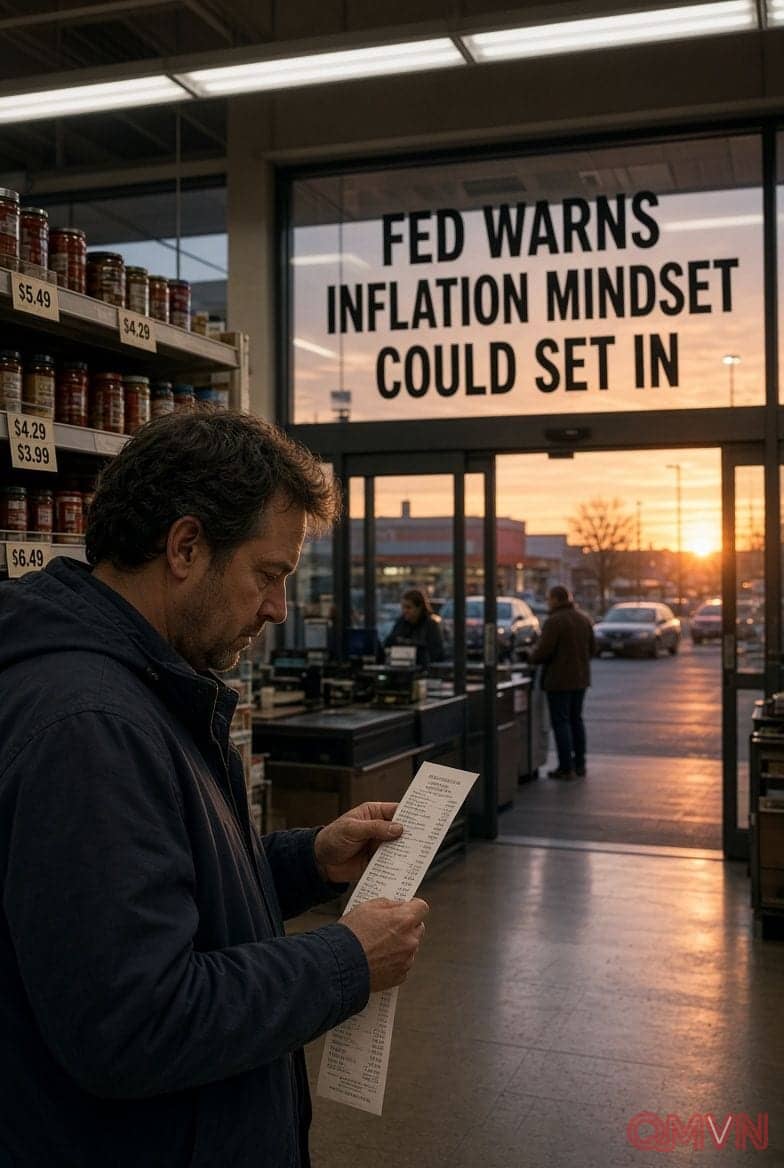
Inflation is more than a line in a monthly report. If shoppers expect sharp future price increases, they may bring purchases forward; companies may raise prices early to protect margins; workers may seek higher pay to preserve purchasing power. Taken together, those responses can help make inflation persistent. This is the feedback loop Hammack fears, not a claim that the public has already adopted it.
Speaking at an event hosted by the Cleveland Fed, she pointed to more than five years of inflation above the 2% objective as a reason for vigilance. But she also said expectations still appear reasonably anchored. The difference between current evidence and future risk is central to her argument: she wants to prevent a change in behavior before it becomes harder to reverse.
Rates have risen; is that enough?
On September 16, the Fed raised its target range by a quarter of a percentage point to 3.75%–4%. Its policymakers’ median projections imply another quarter-point increase before year-end, but those projections are individual judgments about appropriate policy, not a binding promise.