MAIN ARTICLE
Three hours, another draft and no consensus
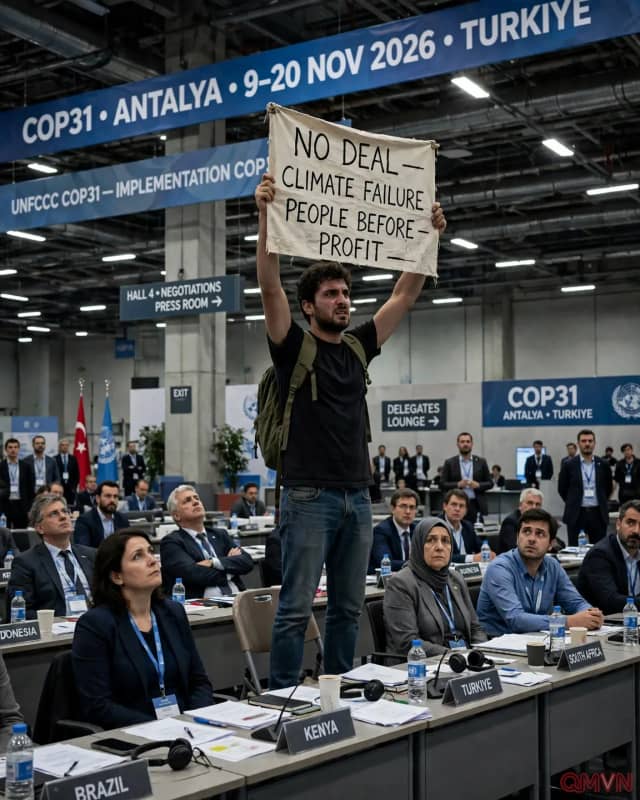
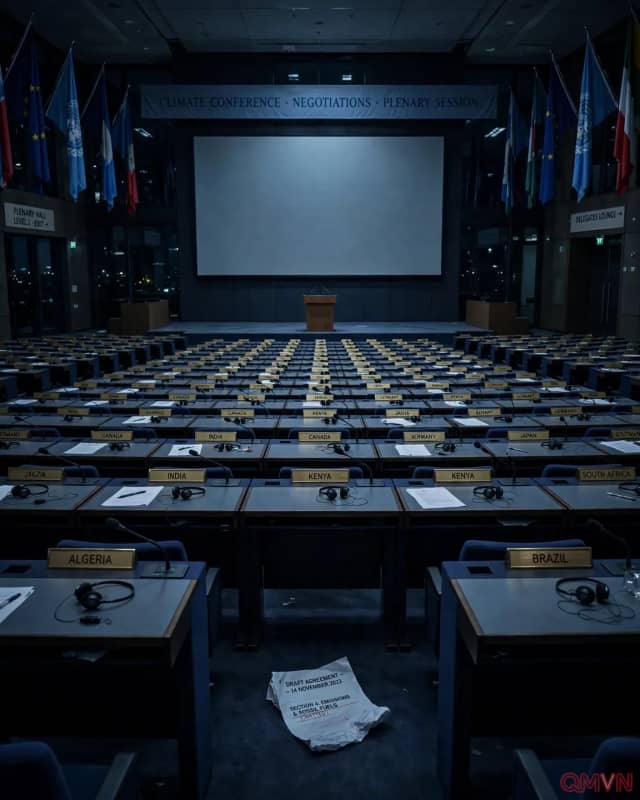
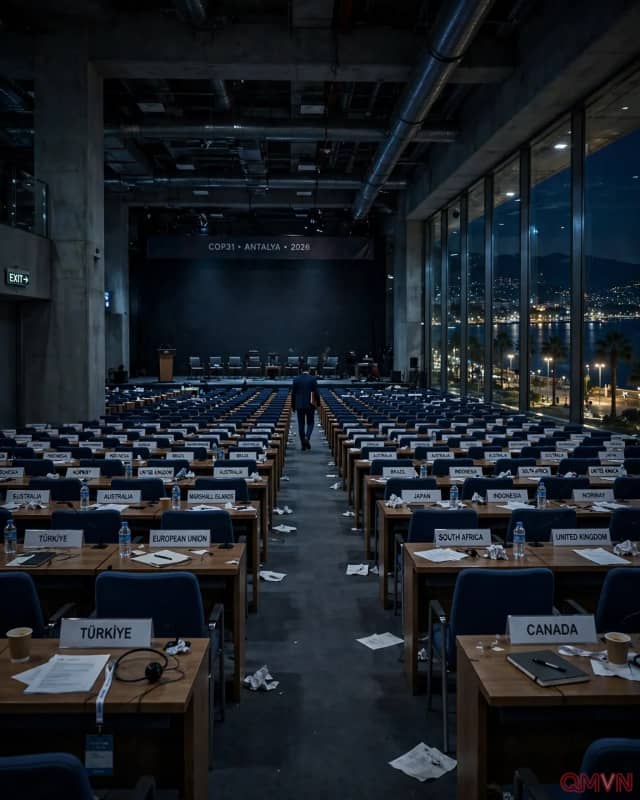
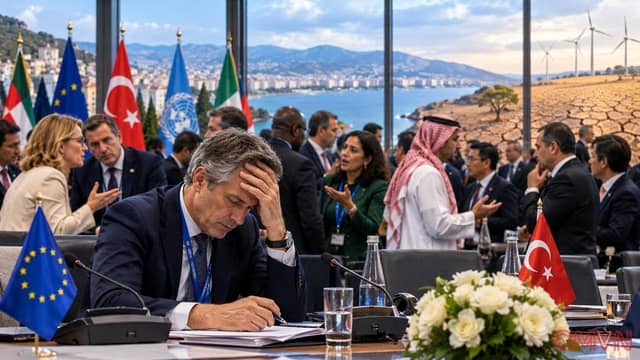
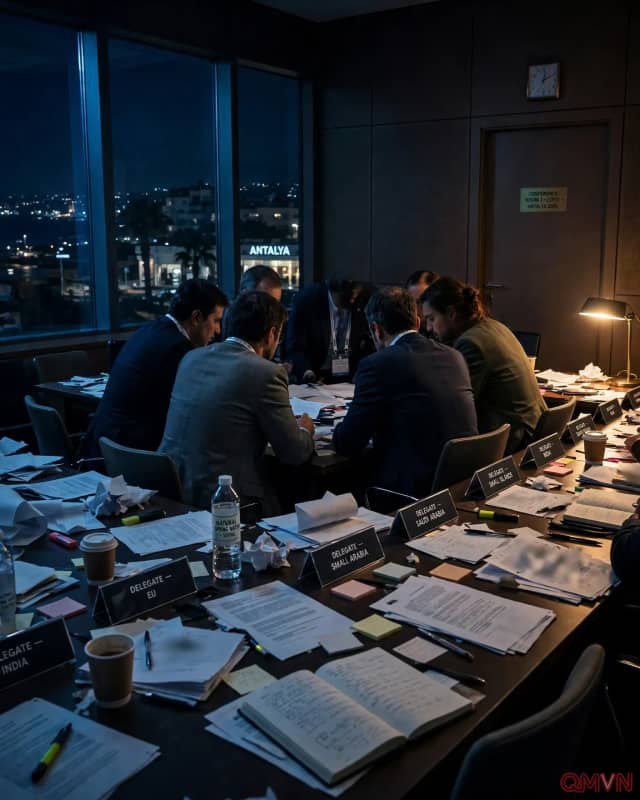
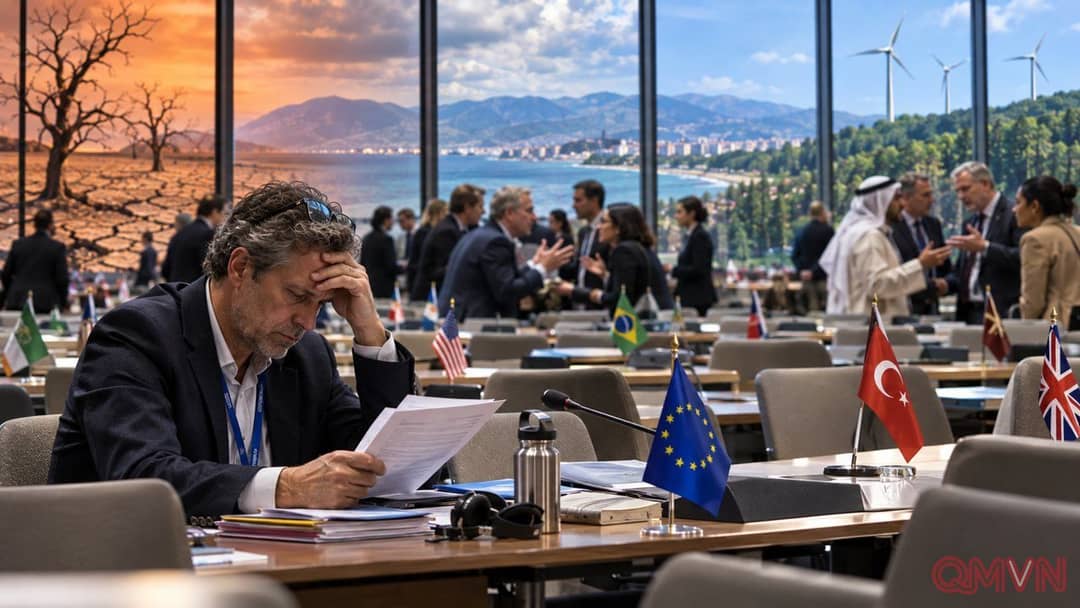
On Sunday delegations were given only a few hours to examine a third proposed compromise, as private discussions continued and the closing plenary was repeatedly delayed. COP31 president Murat Kurum had spoken of a compromise within reach. Yet the European Union and vulnerable nations remained unwilling to endorse language they judged inadequate. Two days after the official deadline, the summit ended without its central political declaration, although separate technical decisions could still move forward.
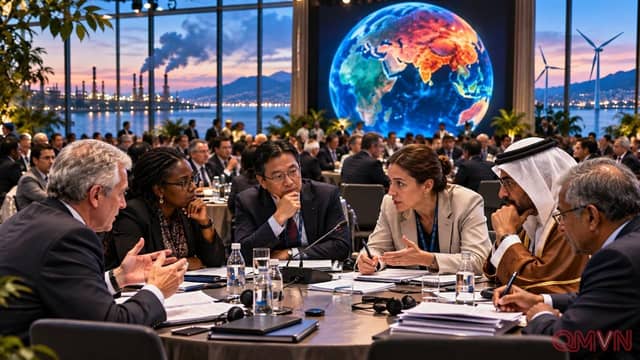
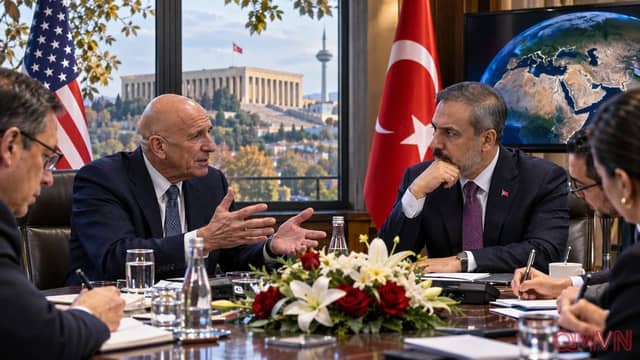
Ireland’s climate minister Darragh O’Brien, speaking for the European Union, argued that a climate document could not ignore the principal driver of the crisis. Small island states and other countries vulnerable to disasters sought language strong enough to protect livelihoods, coastlines and future generations. Meanwhile, some negotiators questioned a process dominated by closed-door discussions, which they believed made it harder to identify a credible compromise.
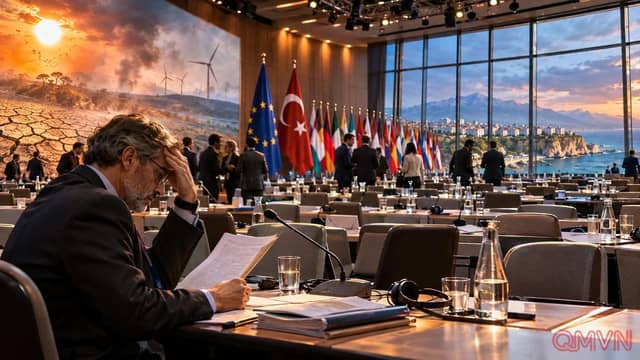
Conference president Murat Kurum acknowledged that consensus was absent; Australia’s negotiations president Chris Bowen voiced disappointment. United Nations Secretary-General António Guterres also expressed frustration that governments had failed to meet the moment. Their responses captured the disappointment, while highlighting a more complicated truth: a declaration adopted at any price would not necessarily represent meaningful progress.