Thirty Seconds of Freefall and a Daring Passenger Intervention
Civil aviation was pushed to the precipice of catastrophe when a routine commercial service operated by Dubai-based flydubai, journeying from the United Arab Emirates toward Lod near Tel Aviv, was violently disrupted at cruising altitude. In a shocking act of aggression, the co-pilot attacked the flight captain with an emergency fire axe, attempting to commandeer the aircraft and deliberately plunge it into the terrain.
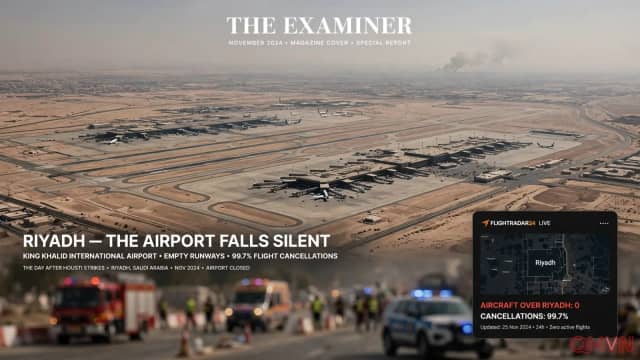
Flight radar records revealed that the airliner went into an abrupt nosedive, plunging 16,000 feet in approximately thirty seconds of sheer terror. Despite sustaining grave lacerations, the captain managed to unlatch the armored cockpit doorway. Alert passengers rushed the compartment and subdued the assailant, allowing a passenger and an off-duty flight crew member travelling aboard to stabilize flight dynamics and execute an emergency landing in Saudi Arabia.
If you have somebody who is a mad person in a cockpit, it's very difficult to legislate for it.
According to investigative briefings cited by intelligence officials, the detained co-pilot disclosed during interrogations in the UAE that he had meticulously premeditated the sabotage prior to gaining employment with the state-owned airline.
The Sobering Reality of Risk and the Echoes of Germanwings
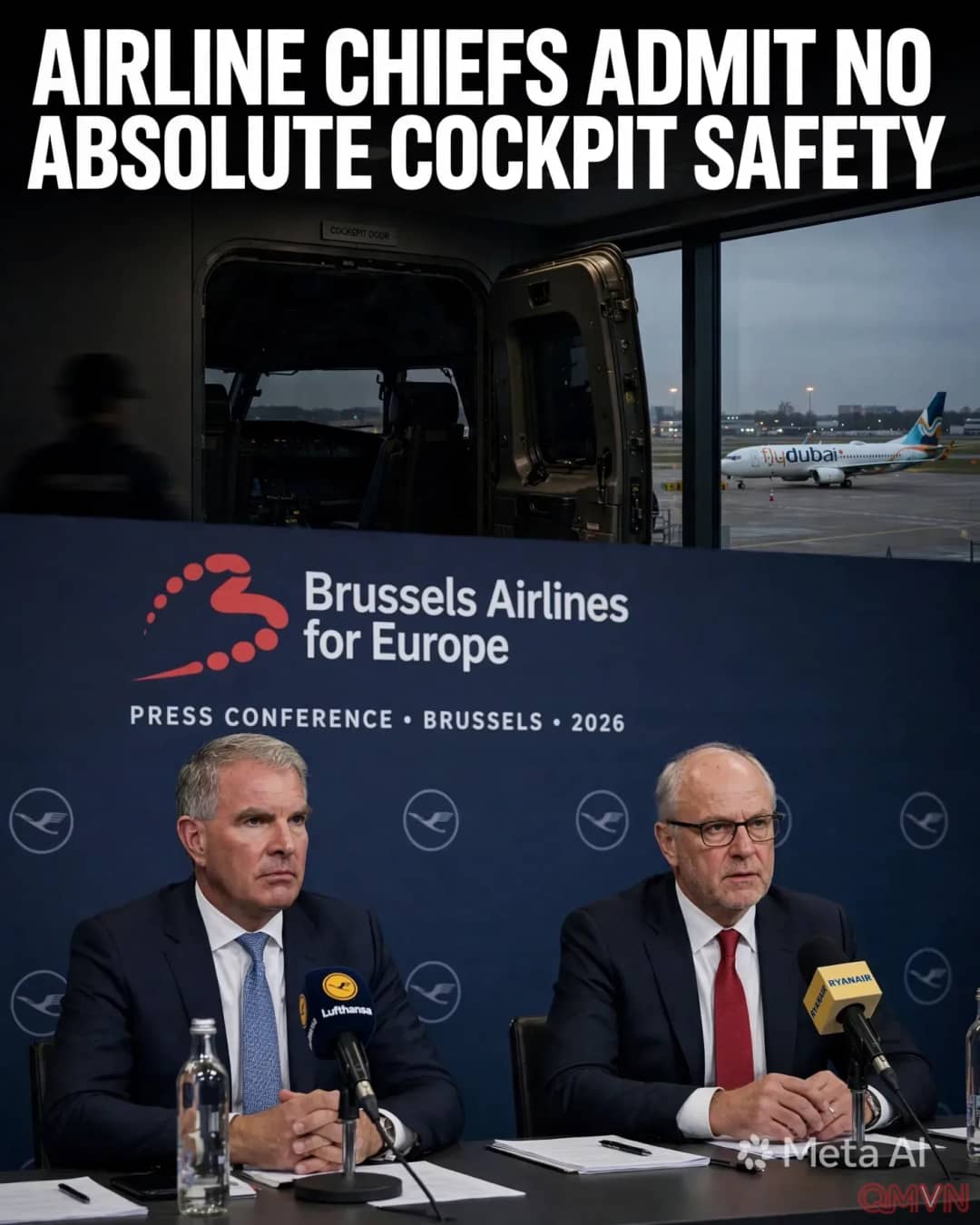
Addressing global press delegations during the Airlines for Europe (A4E) gathering in Brussels, the chief executives of Lufthansa and Ryanair delivered an unvarnished prognosis regarding human fallibility within commercial flight decks. The leaders affirmed that despite exhaustive psychological vetting and stringent mental health evaluations, erratic human behavior remains an intractable operational challenge.
The incident revived immediate historical parallels to March 24, 2015, when Germanwings co-pilot Andreas Lubitz locked the commanding officer out of the cockpit and intentionally flew an Airbus A320 into the French Alps, killing all 150 passengers and crew. Over a decade later, the fundamental vulnerability of preventing insider sabotage remains an unresolved conundrum across the commercial aviation sector.
We have to face the fact that there is no absolute safety and security in this industry, despite pilot mental health checks being already robust.
Concurrently, aviation accident investigators in Saudi Arabia and criminal prosecutors within the UAE have initiated parallel formal inquiries to scrutinize the full systemic implications of the breach.
Revisiting Aviation Paradigms and Celebrating Civic Valor
The extraordinary event is prompting international civil aviation bodies, including the ICAO and the FAA, to re-evaluate cockpit lock protocols and ongoing psychological behavioral analytics. The very reinforced cockpit barriers installed worldwide to prevent external hijackings inadvertently present catastrophic barriers when suicidal threats manifest from the controls themselves.
Nevertheless, the narrative remains defined by the remarkable courage exhibited by passengers and crew. When technological systems and institutional checks faltered, collective swift action and moral courage prevented mass casualties, highlighting the enduring power of human intervention in crisis.
The ultimate shield in civil protection rests not merely in hardened steel barricades, but in the swift courage and collective resolve of individuals in moments of peril.
As international inquiries proceed, the global industry faces the delicate task of balancing reinforced cockpit protection against the imperative for external emergency override capabilities.