MAIN CONTENT
Diplomatic channels reopen after Abu Dhabi
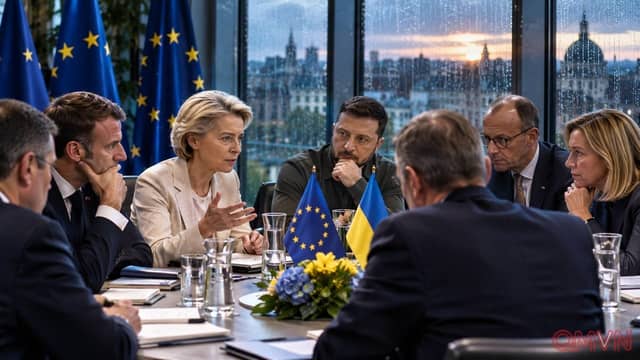
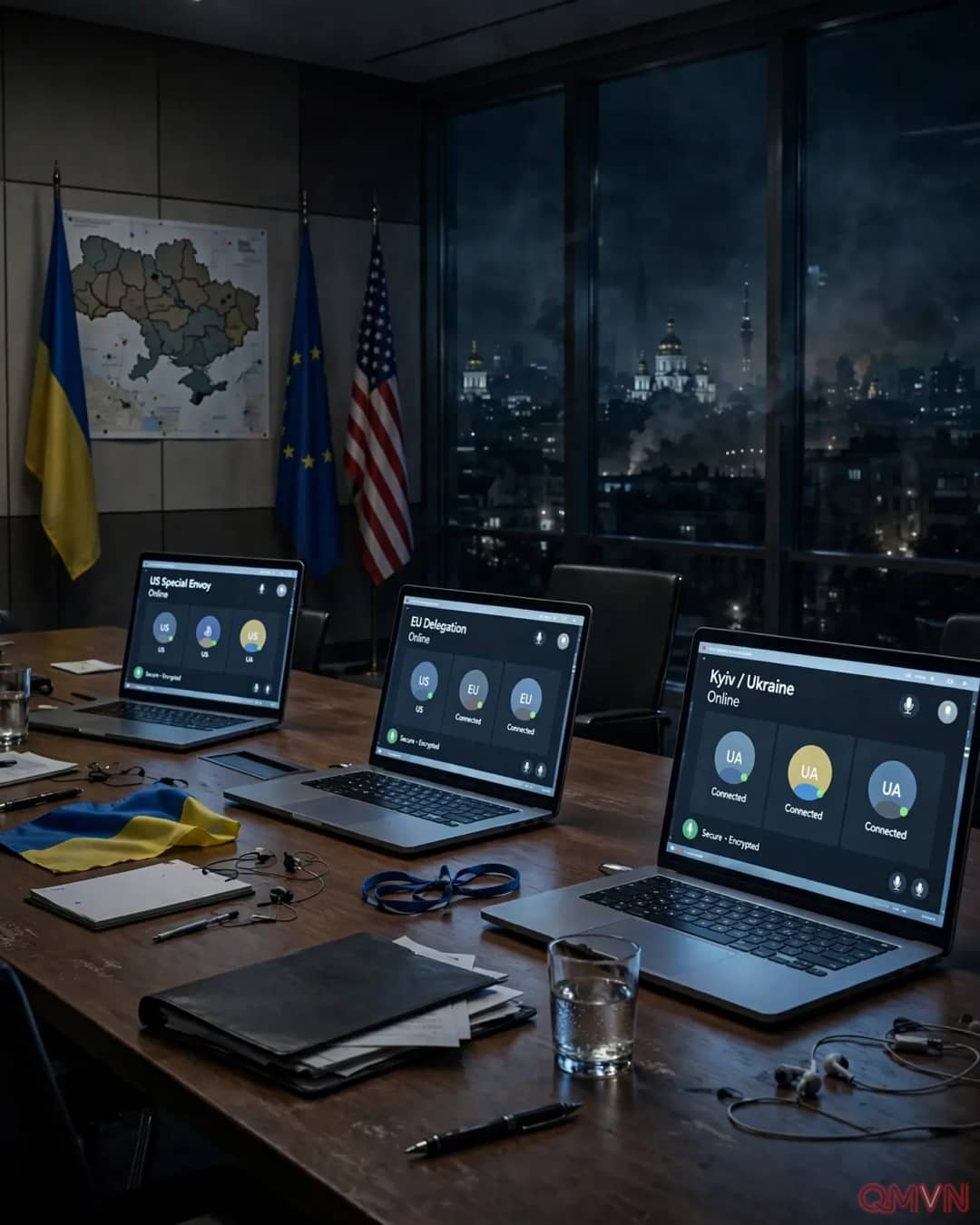
In his evening address, Zelenskyy described the latest exchange as difficult but constructive. Witkoff and Kushner joined Ukrainian officials by video, alongside representatives of France, Germany, Britain, Italy and Poland. Ukrainian accounts also listed representatives of European Union institutions and NATO. Their immediate achievement was not an agreed peace formula but continued contact and a commitment to prepare further steps. That distinction matters when expectations are rising faster than confirmed agreements.
The call followed a trilateral encounter in Abu Dhabi, described by Reuters as the first direct US–Ukrainian–Russian round in nine months. Reopening a channel can reduce misunderstanding and test possible compromises. It does not, however, resolve fundamental differences over territory, security guarantees or the conditions for a ceasefire. Those questions will ultimately determine whether the process can move beyond statements of intent.
Berlin becomes a test of European participation
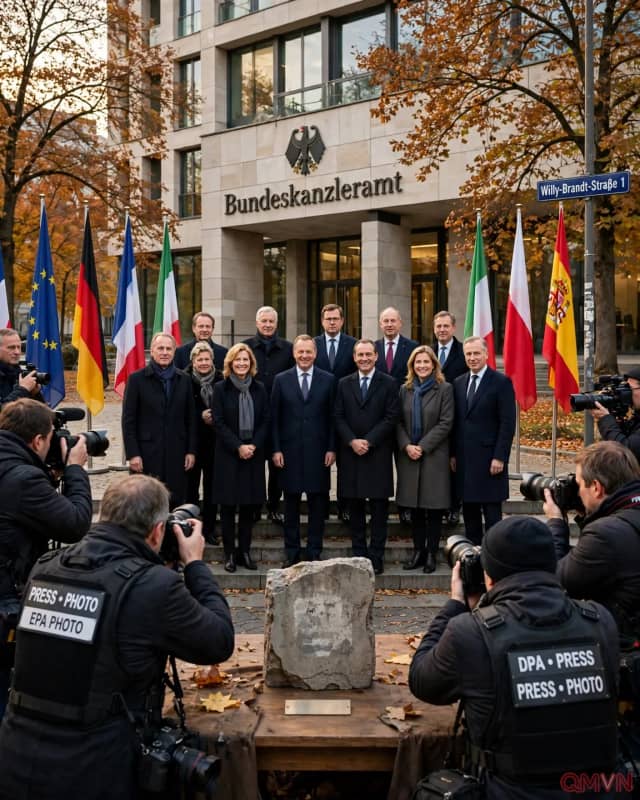
Zelenskyy said the partners would meet in Berlin within the framework of the Coalition of the Willing, a grouping supporting Ukraine. This should be understood as a planned coordination meeting, not confirmation that Russian negotiators have accepted a joint peace conference with European representatives. The difference between the two formats illustrates how even the architecture of talks remains contested.