A day of unity, a country divided
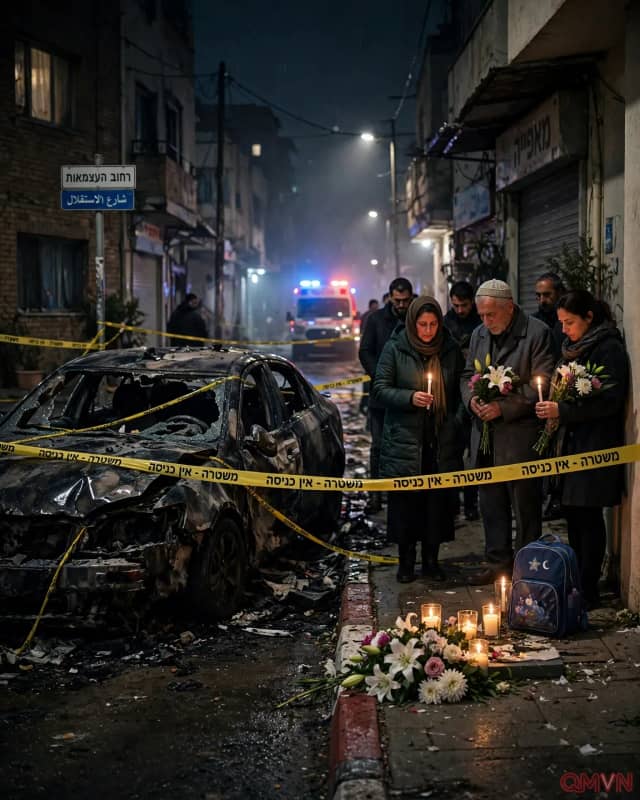
Last week, much of Israel came together to mark the anniversary of the attack in which Hamas-led gunmen killed about 1,200 people, mostly civilians, according to Israeli authorities, and took 251 hostages. But shared mourning has not translated into a shared verdict. As voters prepare to cast their ballots, they carry sharply different explanations of how the catastrophe happened.
Many Israelis describe this election as the most consequential since the state's founding nearly eight decades ago. The wars that spread from Gaza to Lebanon and Iran remain unfinished, Israel's enemies are battered but not defeated, and critics say the right-wing, religiously conservative coalition has weakened democratic institutions and left the country diplomatically isolated. Still, experts see little sign of a political realignment.
Like everyone, after Oct. 7, I thought there would be an earthquake.
Nahal Oz: refusing to give up on peace
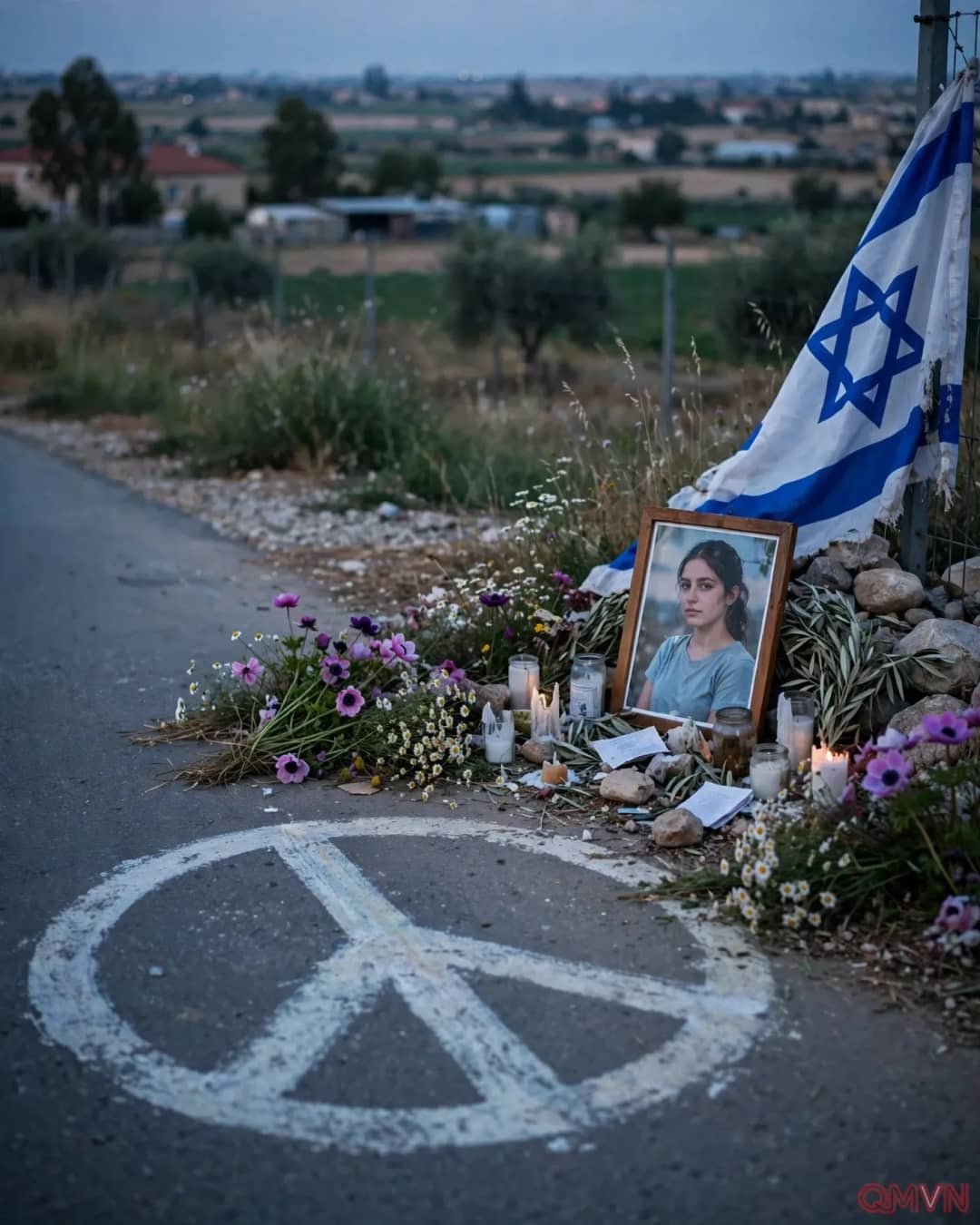
In Nahal Oz, a kibbutz half a mile from the Gaza border, 15 people were killed and eight residents kidnapped on October 7, one of whom died in captivity. Today most residents have returned, and the gardens are blooming again. In the 2022 election, 83% of voters here backed centrist and left-leaning parties. Daniel Rahamim, 72, the community's spokesman, who survived the attack with his family, says many will again vote against Netanyahu, blaming his policies for the failures and worrying about efforts to curb the judiciary and the influence of his ultra-Orthodox allies.