Africa unprecedented Ebola outbreak could reach the United Kingdom and global hubs warns top health official
A catastrophic and unprecedented expansion of the Ebola virus across the African continent could soon breach international borders to reach the United Kingdom and global metropolitan hubs, according to dire warnings issued by premier continental health authorities. With aggregate infection totals surpassing 10,000 cases and nearly 5,000 documented fatalities, Dr Jean Kaseya, director general of the Africa Centres for Disease Control and Prevention, drew stark parallels between the current emergency and the early trajectories of the Covid-19 pandemic. Driven by the deadly Bundibugyo virus strain in the Democratic Republic of the Congo, the contagion has breached historical containment zones to infect populations across Uganda, Kenya, and Nigeria, alongside an imported case confirmed in France. Critical shortages of personal protective equipment, ongoing armed conflict in eastern Congo, and an unresolved $2 billion shortfall in pledged international donor funding threaten to transform a regional disaster into a global epidemiological shockwave.
Edite QUANG MINH·2 min read · 3 min listen·31 October 2026, 23:49 EDT·
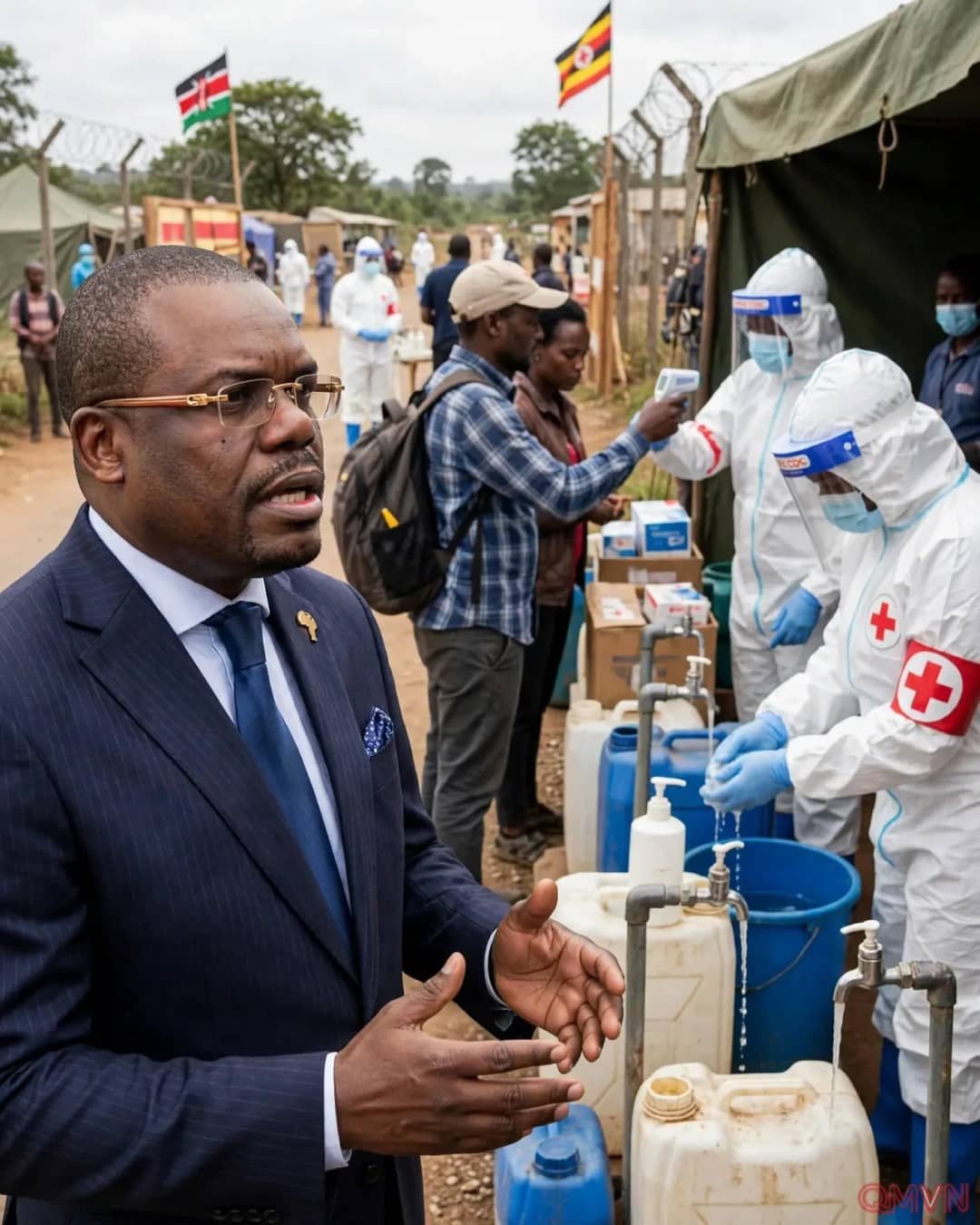
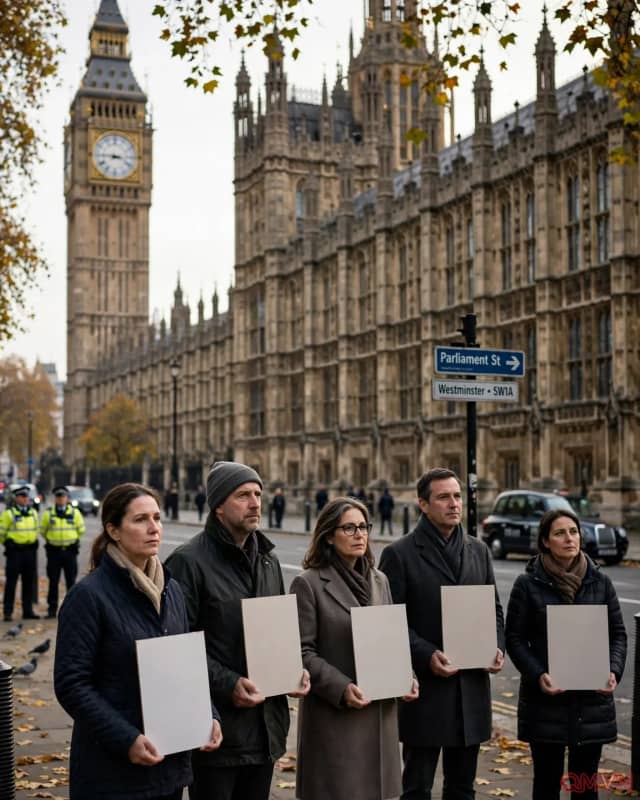
AI-generated illustration
MAIN BODY
Unprecedented geographical diffusion and the imminent risk of global contagion
Epidemiological monitoring indicates that the present outbreak represents the first occasion in medical history where three distinct African geopolitical zones—Central, East, and West Africa—have simultaneously confirmed transmission chains. Dr Jean Kaseya underscored that Western administrations must abandon false notions of geographical isolation in an interconnected aviation network.
Advertisement300 × 250
*
"We want all countries to know that they are not safe if they don’t take appropriate measures." — Dr Jean Kaseya, Director General of the Africa CDC
*
The causative Bundibugyo virus has no clinically approved therapeutics or licensed vaccines, resulting in a devastating case fatality rate approaching 50 percent. The recent detection of a positive traveler in the Nigerian federal capital of Abuja demonstrates that high-velocity cross-border mobility renders conventional border quarantine barriers acutely vulnerable.
Documenting 10,091 aggregate cases and 4,887 confirmed fatalities concentrated primarily within the Democratic Republic of the Congo.
Marking the first historical instance where Ebola transmission has simultaneously impacted three distinct geographic African regions.
France remains the sole non-African nation with a confirmed imported infection in a medical professional repatriated from the Congo.
Critical donor funding deficits and humanitarian barriers in conflict corridors
Frontline response initiatives are currently paralyzed by severe logistical impediments, including chronic shortages of biocontainment suits, health worker strikes prompted by unpaid salaries, and pervasive civil conflict across Ituri province. The Africa CDC is actively petitioning regional heads of state to negotiate humanitarian corridors of peace to safeguard medical interventions.
*"Failure to provide funding now to African countries will result in more being spent because the outbreak will continue to move; we will be talking about trillions of dollars." — Dr Jean Kaseya, Director General of the Africa CDC*
Although multilateral sovereign donors announced $3 billion in emergency commitments, more than $2 billion remains unallocated and outstanding. Stalled disbursements from sovereign partners, including the United States, the United Kingdom, and the European Union, severely undermine contact tracing, diagnostics, and ring-containment operations at international transit portals.
Over $2 billion of the $3 billion international donor commitment remains unpaid, crippling field epidemiology teams.
Demanding sovereign agreements for humanitarian corridors of peace to protect medical personnel operating in hostile conflict zones.
Urging international governments to mandate rigorous biometric and symptom screening at all cross-border transit portals.
EVENT BACKGROUND
This public health emergency originated on May 15, 2026, when the Ministry of Public Health of the Democratic Republic of the Congo formally declared the nation’s 17th historical Ebola epidemic in Ituri province, with retrospective genomic sequencing confirming hidden transmission dating back to February. Caused by the lethal Bundibugyo virus, the crisis escalated into the deadliest outbreak in Congolese history, outpacing past containment benchmarks. The convergence of international humanitarian budget reductions, localized community mistrust, and violent insurgent activity severely obstructed medical teams, facilitating transmission across regional borders into Uganda, Kenya, and Nigeria. The fundamental crux of the crisis lies in the friction between donor complacency in the developed world and the urgent financial requirements on the ground, creating a precarious void that threatens to unleash an uncontrolled pathogen into international transport networks.
KEY LESSONS LEARNED
Global health security is entirely indivisible; an uncontained biological threat in one region jeopardizes the stability of all nations.
Early financial mobilization and preventative funding are infinitely more cost-effective than attempting to mitigate an established pandemic.
Humanitarian cooperation and ceasefire diplomacy are indispensable prerequisites for executing vital epidemiological containment in war zones.
Subscribe to the QMVN newsletter
A daily morning digest - only stories worth reading, no spam.