MAIN ARTICLE
Abnormal warnings appeared and later disappeared
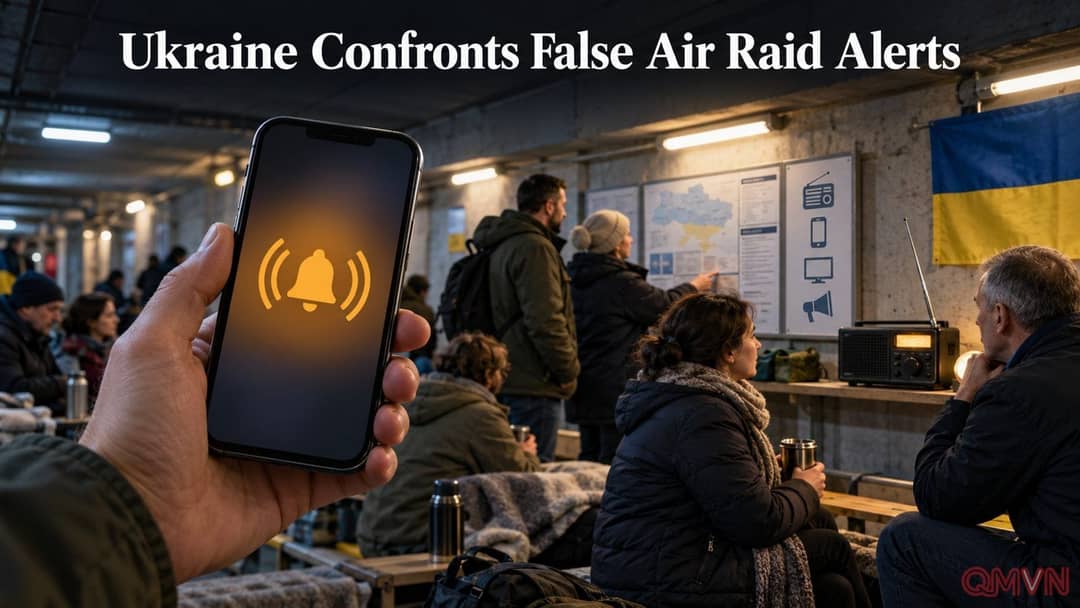
Reuters reported that the app briefly showed Kyiv and other areas under nuclear and chemical alerts and a threat of street combat. One erroneous message said Russia’s Oreshnik hypersonic missile had been deployed. These were the false warnings associated with the incident, rather than evidence that the threats they described had occurred. Keeping that distinction visible matters when an account of misinformation repeats the alarming content in order to explain what went wrong.
The Air Force said on Telegram that the app appeared to have been subjected to enemy influence. It stated that there was no radiation threat in the situation being corrected and asked people to remain calm and follow its channel. This conveyed the Ukrainian authorities’ initial assessment. The report did not provide a technical investigation establishing the identity of the intruder or the route used to compromise the service. Those details remain separate questions requiring evidence.
The abnormality subsequently disappeared. Ukraine’s Digital Transformation Ministry said the app was not operating, but other ways of warning the public and air raid sirens remained functional. The disappearance of false content did not itself establish that the app had returned safely to service. During the interruption, information about working alternatives mattered because residents still needed to know where to find instructions. A clear service status can prevent an old correction being mistaken for a current update.