MAIN ARTICLE
From the promise of control to the cost of living
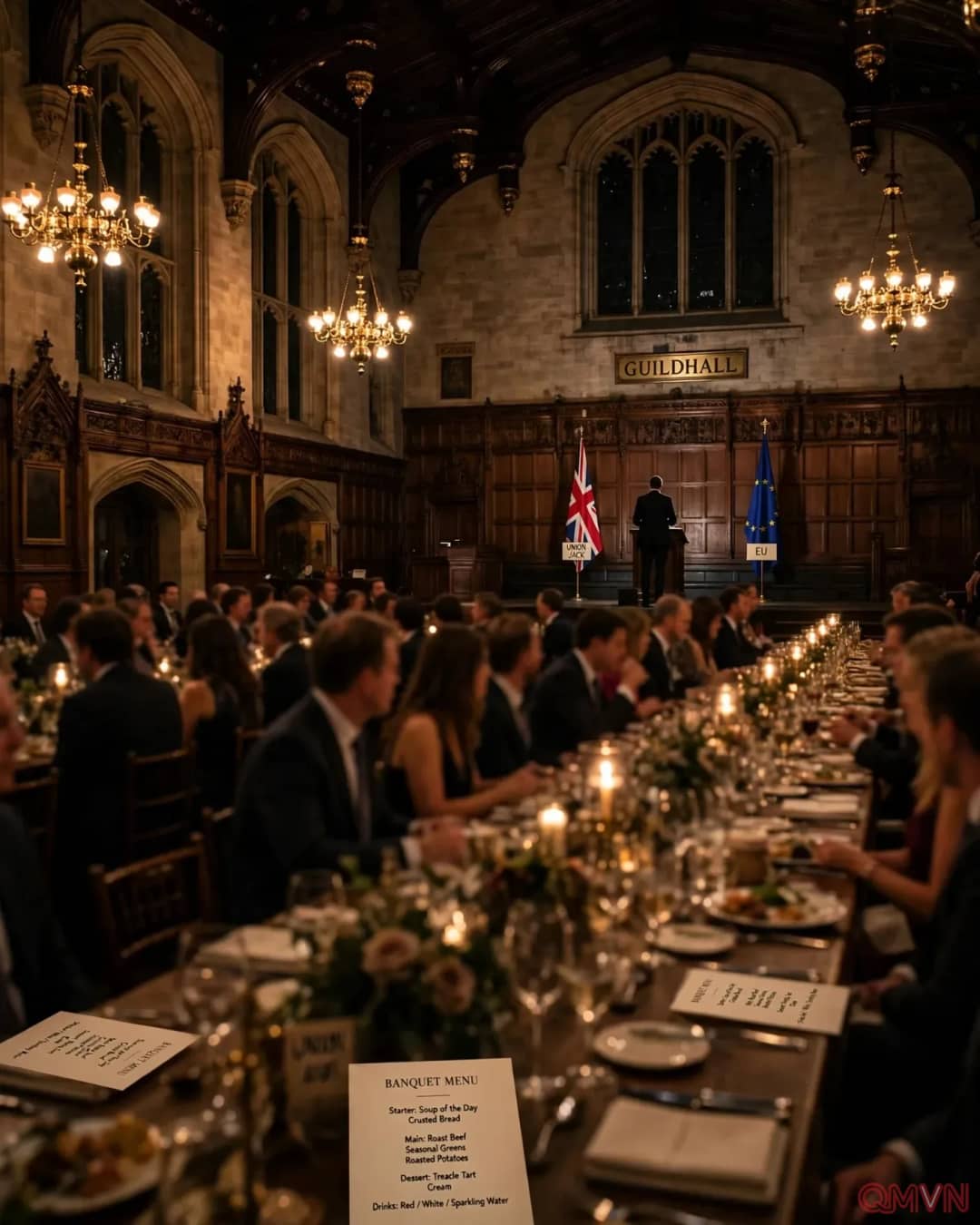
At the Lord Mayor’s Banquet in London, Burnham likened the reluctance to acknowledge Brexit’s drawbacks to “The Emperor’s New Clothes.” His central argument was not that every reason for voting Leave had disappeared. Rather, the promised control had not translated into greater prosperity and security for many communities that backed departure. Public policy, he suggested, should be judged by outcomes rather than attachment to political slogans.
The government cited the Office for Budget Responsibility’s assessment that Brexit will leave the UK economy roughly 4% smaller in the long run than it otherwise would have been. Some other estimates reach as high as 8%. These are comparisons with a counterfactual economic path, not claims that actual GDP fell by those percentages in a single year. Financial services and technology have adapted in important ways, but firms trading physical goods have faced additional paperwork and barriers.
A Brussels summit and three political tests
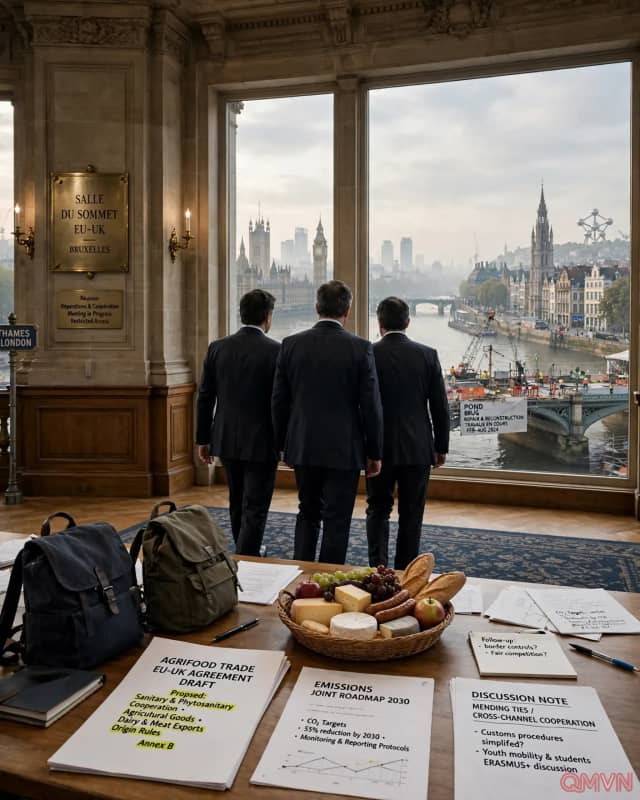
Burnham is scheduled to meet European Council and European Commission leaders in Brussels on November 20. Official announcements identify reduced friction in agricultural and food trade, cooperation on energy and emissions systems, security, and youth mobility as priorities.