MAIN CONTENT
A present position faces a long-term problem
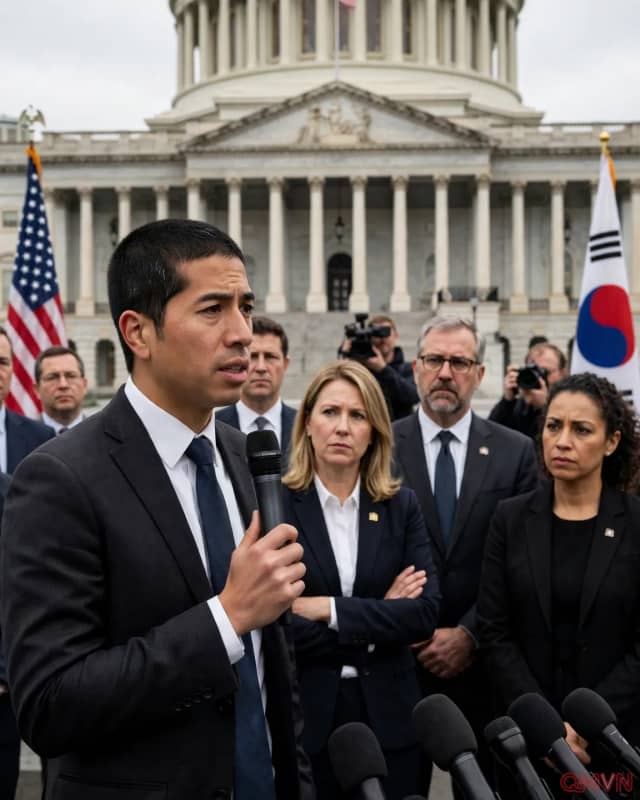
At the National Assembly National Defense Committee audit on October 12, Hong said neither her agency nor the Defense Ministry was considering female conscription at this point. The timing is central to the statement: it describes a current position, rather than declaring every future discussion closed. She emphasized public consensus before changes affecting the organization of military obligations. For readers following the debate, that distinction prevents a parliamentary exchange from being mistaken for a new recruitment policy.
Hong said the authorities are gradually increasing the proportion of female officers and noncommissioned officers as they prepare for the future. Expanding women’s roles within a professional military workforce is separate from placing women generally under compulsory enlistment. Those two approaches involve different decisions and expectations. Keeping them distinct gives young people and families a clearer understanding of developments, without interpreting a staffing direction as a new legal duty.
Demographic pressure nonetheless keeps the question on the agenda. The article cited projections of a potential male recruitment pool falling to about 143,000 in 2040 and 120,000 in 2043. These figures concern a prospective source of recruits, rather than the total strength of the armed forces. The published account does not explain the methodology sufficiently to calculate precise unit shortages or additional recruitment needs. Their immediate significance is the pressure they indicate on future personnel planning.