MAIN ARTICLE
A comeback story becomes a public controversy
Lee Jin-woo had attracted followers by describing an unusual academic transformation. After leaving high school, he obtained an equivalency qualification and repeatedly sat South Korea’s demanding college entrance examination, the Suneung. He chronicled the improvement he said followed changes in his study habits in Brain Accel, a book published in September 2026, and subsequently worked as a speaker and education adviser.
Public fascination grew when he entered the dentistry program at Seoul National University and announced a perfect mark on the 2026 Legal Education Eligibility Test, or LEET. For students who feared that poor early results would determine the rest of their lives, his account offered an unusually hopeful message. That visibility also meant questions about the authenticity of his achievements spread quickly.
How an answer booklet fueled an AI allegation
In October, Lee showed a LEET answer booklet during an appearance on the education creator Mimiminu’s online program. Viewers noticed erasures and a run of altered answers that appeared to be shifted by one question.
The images prompted online speculation about access to outside answers, potentially with AI assistance.
But an unusually clean examination sheet or revised answers cannot, by themselves, prove cheating. Attention also turned to examination result statements bearing Lee’s current name even though he had changed his legal name in the past. He said he had modified the names in documents shared publicly to protect his former identities. Establishing what happened requires authenticated records, testing procedures and evidence, rather than crowdsourced inference.
A cancelled public demonstration and an unfinished inquiry
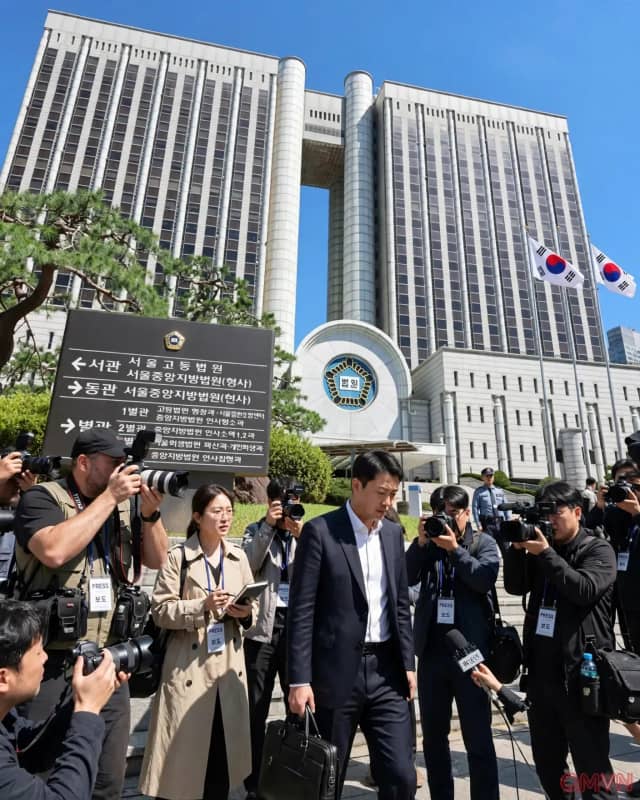
On November 18, Lee told a media outlet that he intended to answer examination questions live to demonstrate his ability. He did not appear at the planned public session in Seoul the following day. Police subsequently confirmed that he had been found dead at accommodation in the eastern part of the city.
Yonhap reported on November 20 that an initial autopsy found no indication of foul play. That finding does not answer every question about the death. Seoul police also said investigators would continue examining documents relevant to the complaints, although criminal proceedings against a deceased person face legal limits. His death must not be treated as evidence that any accusation was true.
The bigger question: fair examinations and responsible scrutiny
According to South Korean reports, lawyers had filed complaints alleging possible examination cheating and potential deception of people who purchased Lee’s educational material. Those are allegations, not judicial findings. Investigators must distinguish genuine documentary evidence from assumptions circulating online while respecting privacy and due process.
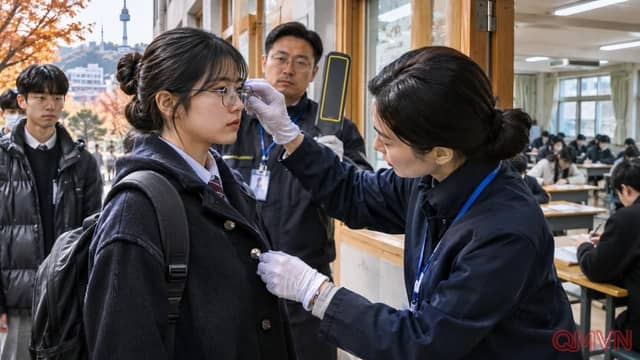
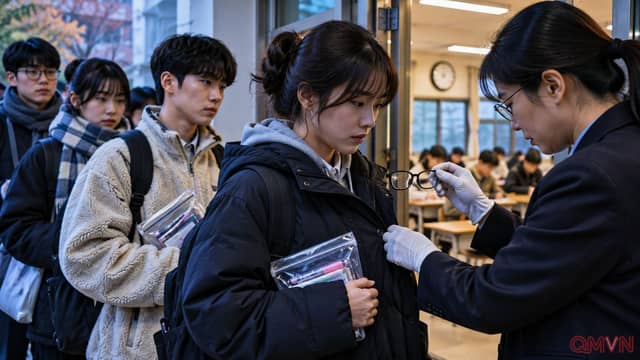
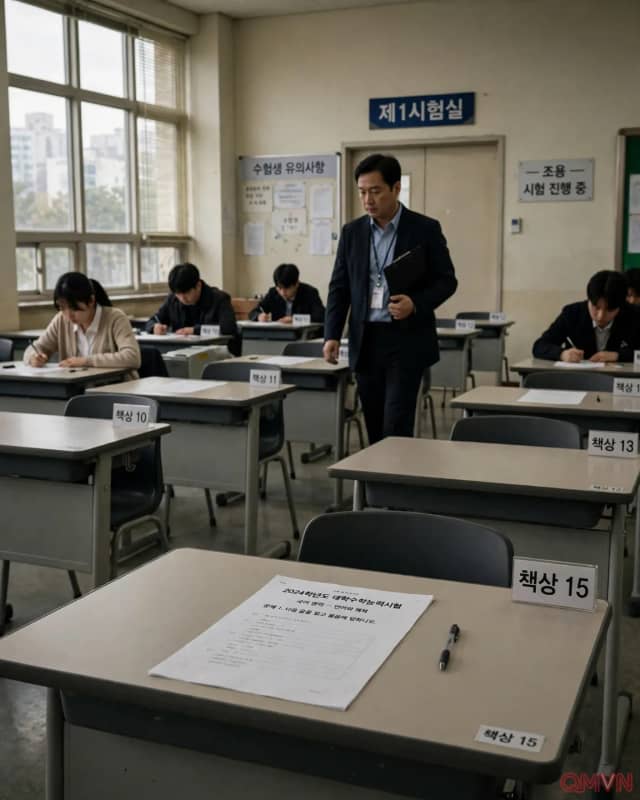
The episode comes as powerful AI systems and miniature smart devices challenge conventional examination safeguards. South Korean authorities prepared additional precautions against technology-assisted cheating for the November Suneung. Yet stronger monitoring cannot replace independent assessment design, consistent evidence standards and careful reporting of accusations involving identifiable people.
The case illustrates a difficult imbalance: unverified interpretations can travel around the world within minutes, while responsible investigation takes much longer. The central issue extends beyond whether a particular test was compromised. It includes the obligation of institutions, media organisations and online audiences to pursue accountability without abandoning accuracy, dignity or compassion.