MAIN ARTICLE
Republican strongholds become defensive battlegrounds
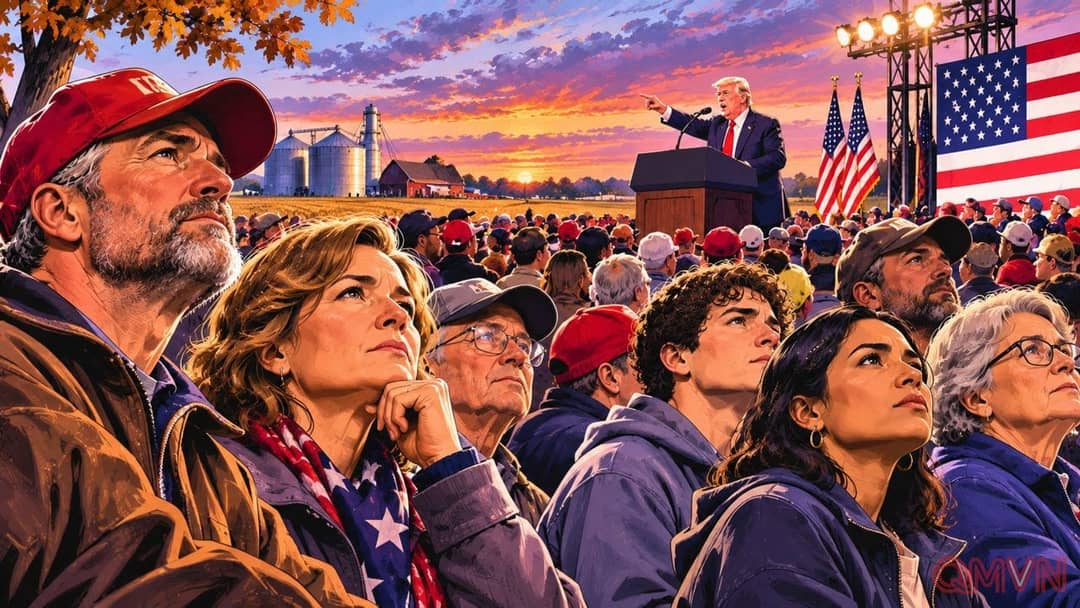
On November 1, Trump spoke for about two hours in Dubuque, Iowa, before traveling to Salina, Kansas, for another rally. The Associated Press reported that he had staged more than two dozen rallies in 19 states since early October. His intensive schedule underscores the stakes: all 435 House seats and 35 Senate seats are being contested.
In Iowa, Republican Ashley Hinson faces Democrat Josh Turek; in Kansas, incumbent Senator Roger Marshall is challenged by Adam Hamilton. Trump comfortably won both states in the last presidential election. Yet a familiar partisan preference does not guarantee a smooth midterm victory, especially when turnout is less predictable than in a presidential election.
Trump projected confidence about Republican victories, and Senate campaign chairman Tim Scott voiced similar optimism. Still, the president’s decision to spend precious final campaign hours in solidly Republican territory says something important about the defensive landscape his party faces.
Household economics competes with political loyalty
Petrol, food prices and trade policy have become persistent concerns. Republican Representative Don Bacon told CNN that tariffs were unpopular in the Midwest, an awkward assessment for a president who has presented tariffs as a way to protect American jobs and manufacturing.