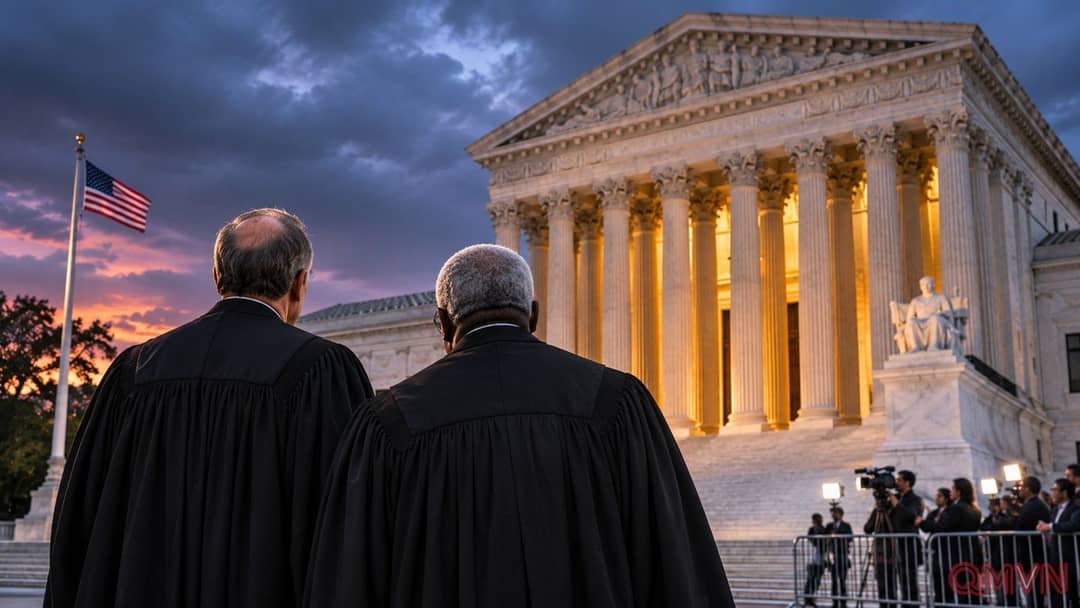
MAIN ARTICLE
The Senate holds the decisive confirmation power
The November 3, 2026, election handed Democrats a Senate majority, according to Reuters’ election reporting. That victory does not entitle them to choose Supreme Court justices. It does, however, put control of confirmation votes in their hands. Because Supreme Court appointments last for life, the Senate’s decision on one nominee can outlast many ordinary electoral cycles.
The Constitution gives the president the power to nominate judges and assigns the Senate the responsibility of advice and consent. A Republican president facing a Democratic Senate may therefore encounter a blocked nominee, a prolonged vacancy or a demand for compromise. None of those possibilities means that an election automatically alters the existing membership of the court.
Republicans retain their current Senate majority until the new Congress convenes on January 3, 2027. Some conservative commentators see this transition as a possible final opportunity for a like-minded replacement. But that prospect presupposes an actual vacancy, a nominee and a rapid confirmation process—none of which has materialized.