MAIN ARTICLE
What the court examined and what it did not endorse
The case arose from a May 2021 post on Ilbe, an online community described by The Korea Herald as far-right. The writer argued that military suppression was justified because some civilians had taken up arms and challenged the recognition of participants as pro-democracy activists. Those were the defendant's arguments in the post, rather than this article's findings about the historical event. The lower court treated his description of the uprising as false information and found that he had knowingly disseminated it. That assessment led to the fine later overturned on appeal.
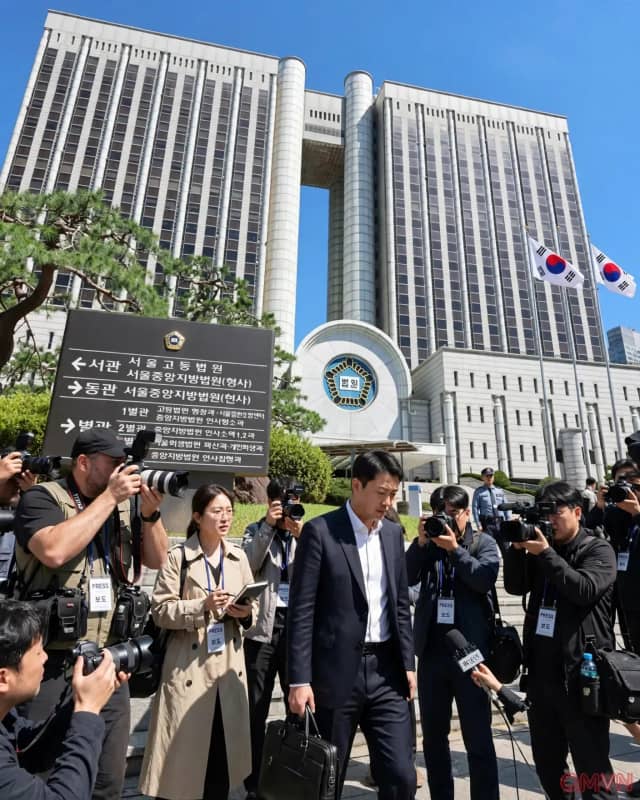
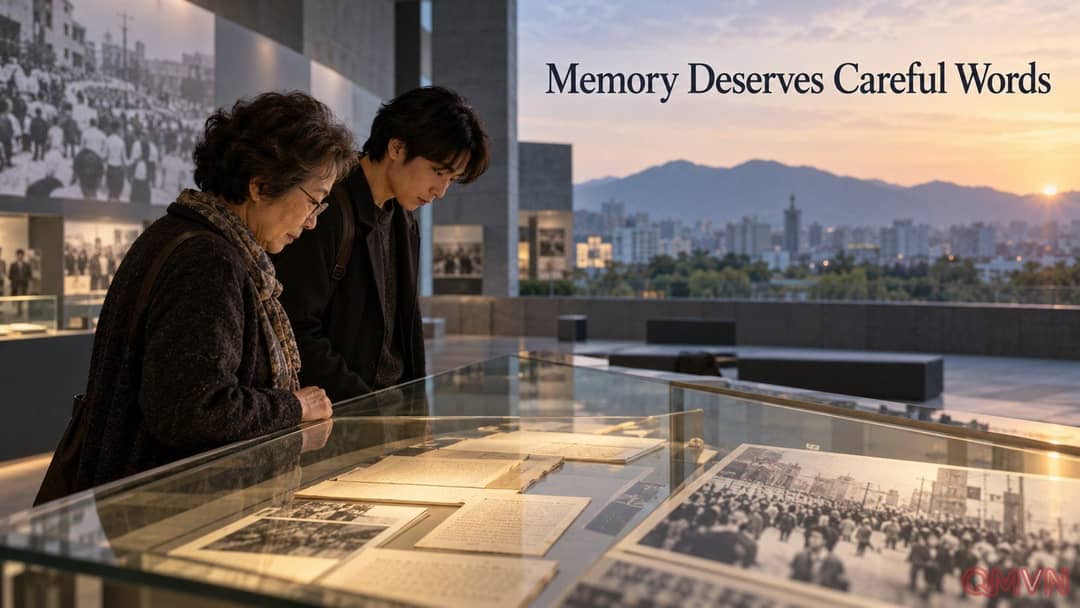
The appellate court instead distinguished a negative evaluation from a false statement of fact. According to the reports, it considered the disputed word a way of expressing the defendant's personal judgment in this context. Yonhap reported that the court regarded the conduct as deserving criticism while classifying it as opinion. The disagreement between the courts concerned the legal character of the expression. It did not mean the appellate court had found the military crackdown justified, accepted the writer's account as historically accurate or endorsed his view of the people who participated.