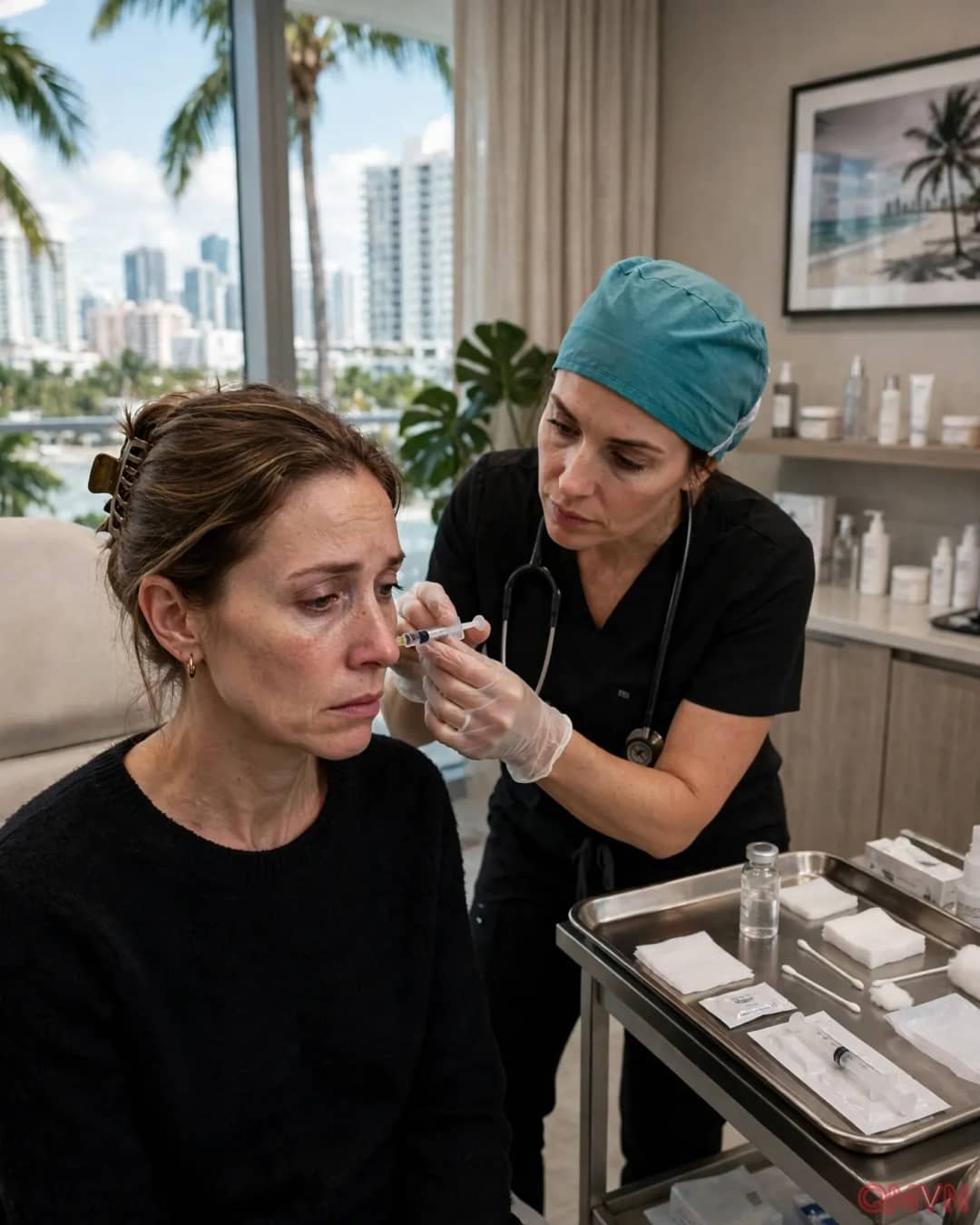
A new market born of weight-loss drugs
GLP-1 drugs such as Novo Nordisk’s Ozempic and Wegovy and Eli Lilly’s Zepbound help people lose weight by mimicking a hormone that keeps the stomach feeling full. Besides gastrointestinal side effects, rapid weight loss can leave loose skin on the face and body. Notable figures:
- Pfizer estimates the obesity drug market could reach $150 billion in annual sales by 2030.
- Revenue from clinical treatments for affected skin is projected to grow from about $700 million to $2 billion over five years.
- In the United States, 53% of aesthetics clinics expect an influx of new patients due to prescription weight-loss drugs.
- 43% believe the drugs will drive demand for treatments addressing medication-induced facial changes.
Beauty firms join in
Galderma, 20%-owned by L’Oréal, ran a study last year evaluating how some existing treatments, such as collagen-stimulating Sculptra and the filler Restylane, perform on skin changes linked to GLP-1 drugs. Although the products are not approved specifically for GLP-1 users, Galderma works with tens of thousands of aesthetic practitioners worldwide. L’Oréal is also testing products on this group.