Numbers that speak
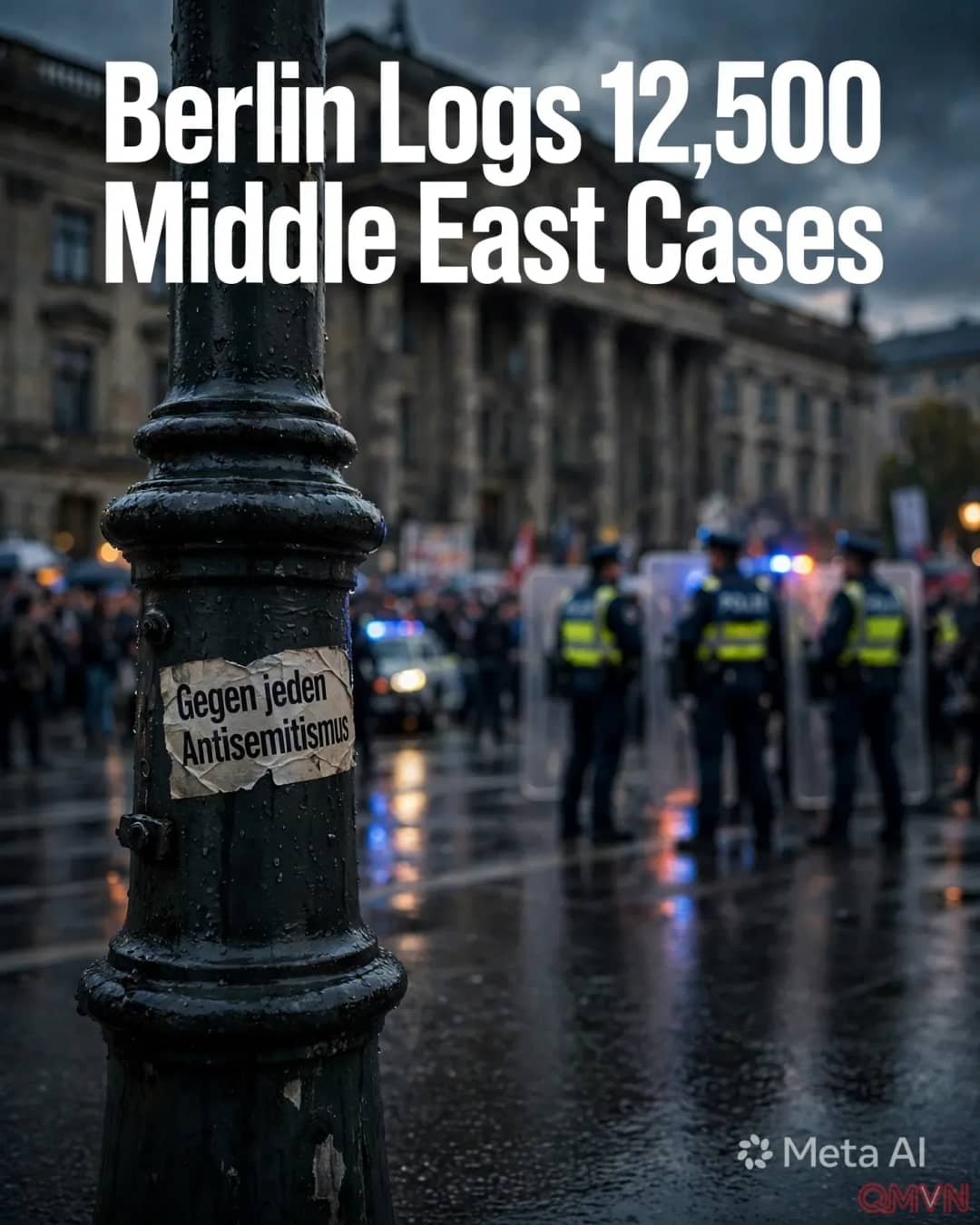
According to the Berlin public prosecutor's office, more than 7,000 of the nearly 12,500 cases had been closed as of October 1. The authority breaks the cases down in detail, showing how a conflict thousands of kilometres away has left a deep mark on life in the German capital:
- About 1,900 cases are assessed as antisemitic crimes.
- More than 1,300 others have an antisemitic background.
- More than 9,200 cases relate generally to the war in Gaza.
- More than 3,000 involve offences at demonstrations or rallies.
These figures are more than legal statistics. They show a multicultural city – home to a revived Jewish community and one of the largest communities of Palestinian origin in Europe – bearing the aftershocks of the war on its own streets.
Banned symbols, incitement and violence on the streets
In cases linked to protests, the most common offence is using or spreading symbols of unconstitutional and terrorist organisations. Incitement to hatred and insults are also frequently recorded, along with many cases of resisting or attacking police officers.
The remaining 6,200 or so cases paint a broader picture: property damage, incitement to hatred, threats, insults and the “approval of crimes” – such as celebrating the Hamas massacre. Since late 2023, Germany has banned all Hamas activity and dissolved the Samidoun network, making the display of related symbols a criminal offence.