A decisive moment at 250
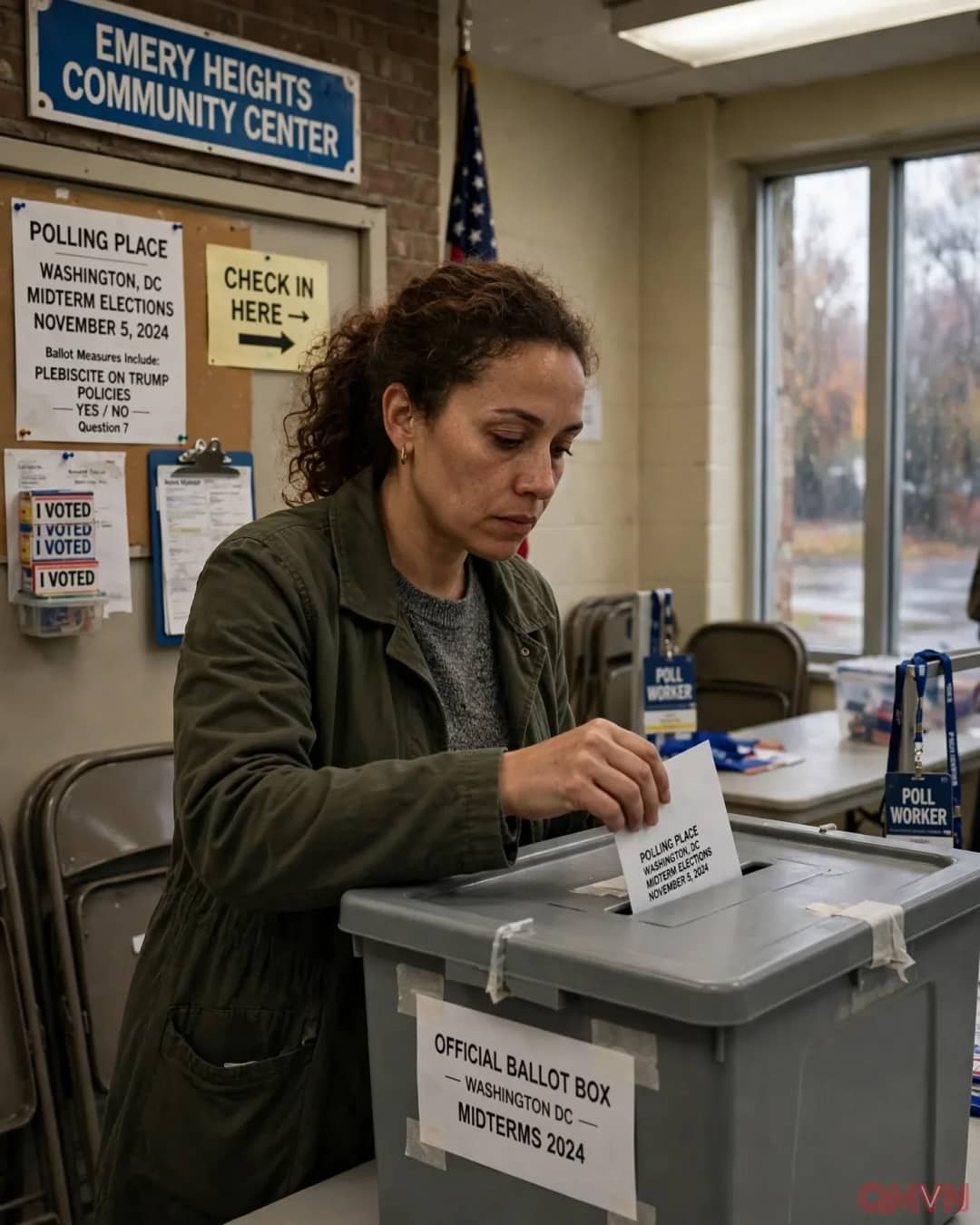
According to Spain's El País, the United States entered the midterms just as it marked 250 years of independence. All 435 House seats and about a third of the Senate's 100 seats were up for election, along with some thirty governors, numerous state offices and local measures, such as a proposed wealth tax on billionaires in California.
The election is seen as a referendum on Trump's divisive style of governing. Critics accuse the president of disregarding court rulings, attacking the press and turning the Justice Department into a tool against his opponents; supporters see him delivering on his promises on immigration, trade and security. The question is whether Congress will be strong enough to act as a counterweight to the White House agenda.
Voter mobilization has been described as extraordinary. By Monday, nearly 59 million early ballots had been cast, 28% more than in the 2022 midterms, including almost 27 million by mail, up 6%, even though Trump has repeatedly disparaged mail voting, claiming without evidence that it enables fraud.
A blue wave and the key battlegrounds
Major polls pointed to a “blue wave” — the color of the Democrats — amid discontent over the White House's immigration policies, the high cost of living, tariffs and the impact of the war with Iran, with Trump's approval rating at the lowest of his career. The latest New York Times/Siena poll suggested Democrats could win many close races, even in Texas or Kansas, though pollsters have often underestimated Trump's pull.