Black-Clad Figures in the Streets
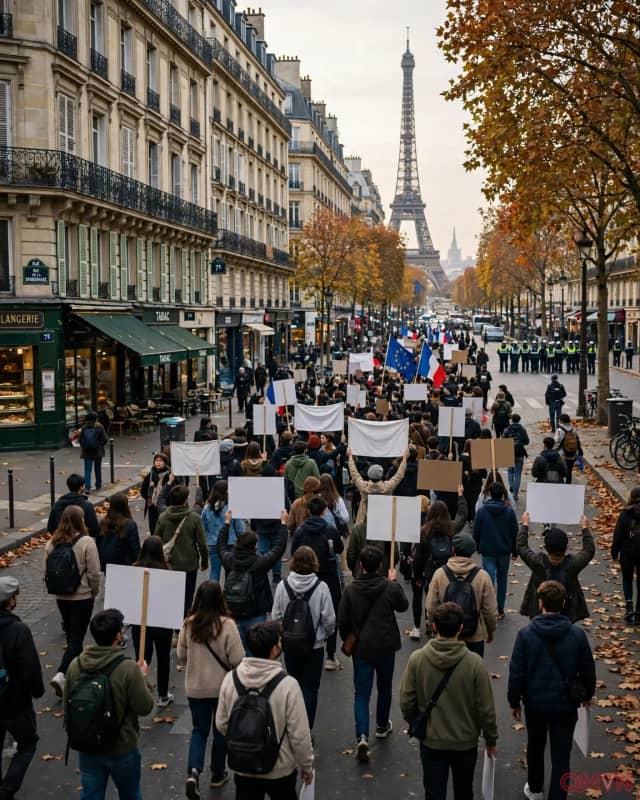
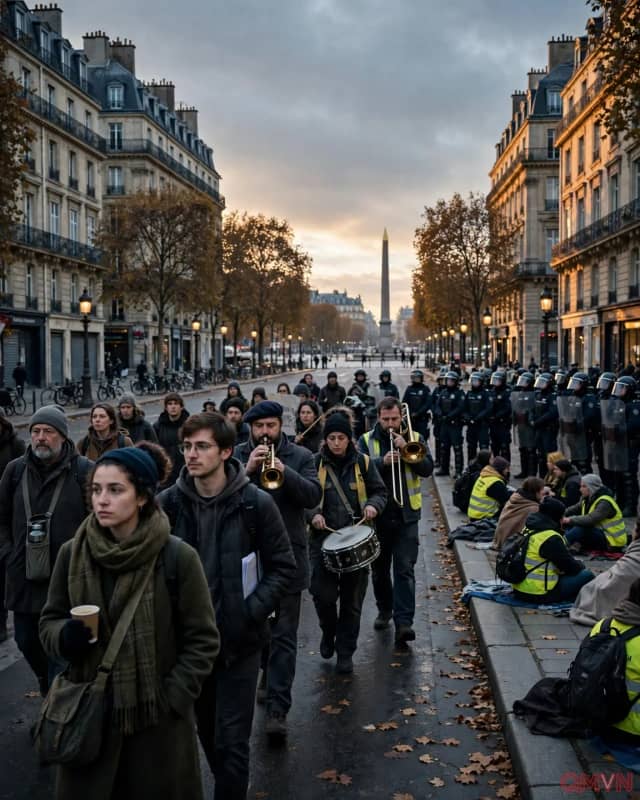
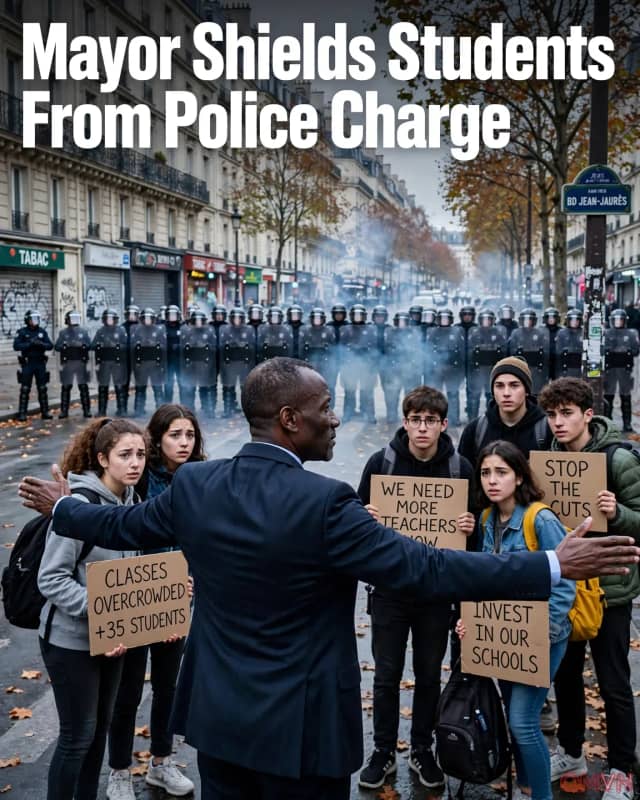
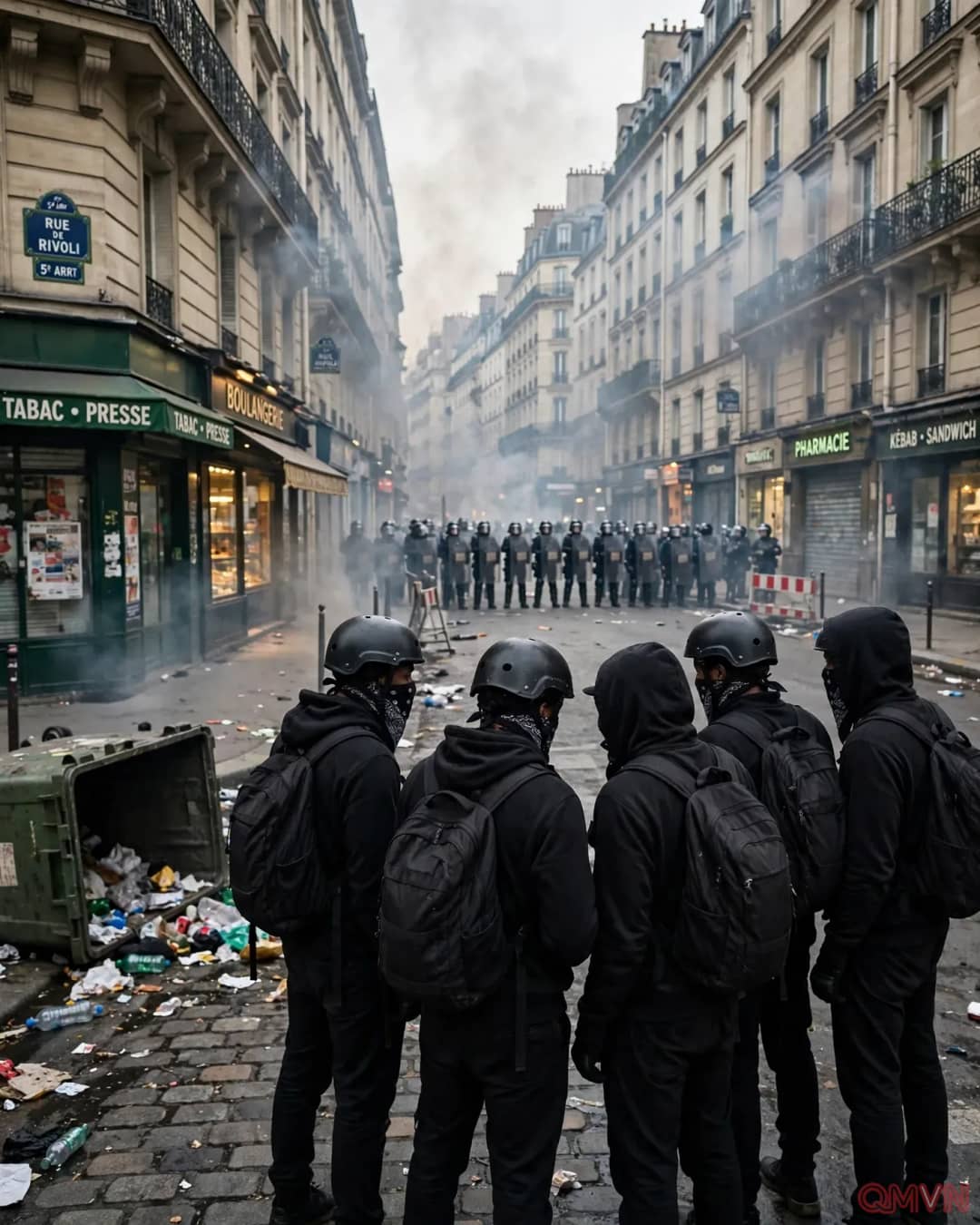
France has seen weeks of mass student and union demonstrations accompanied by high levels of violence and property damage. Italy has also witnessed violence in Rome, Milan and Turin, with clashes with police, bins and cars set ablaze and extensive damage. The Black Bloc’s aggressive energy can derail peaceful protests. Some argue they bring attention to social, political and economic inequalities; others condemn their violent methods for distracting from protesters’ legitimate demands.
Origins and Methods
Political science professor Francis Dupuis-Deri of the University of Quebec in Montreal, who has written a book on the Black Bloc, explained the movement’s main features:
- The movement began in Germany in the 1980s, emerging from the “autonomia” social movement, opposed to the state, capitalism, political parties and even communists and unions, with broadly anarchist ideas.
- Members wear black, punk-style clothing of the era, leather jackets, hoodies, motorcycle helmets, sunglasses and bandanas so police cannot recognize them.
- There are no leaders, hierarchy, spokespeople or press statements; members recognize one another by their attire, spread word of mouth and build ties over multiple demonstrations.
- The movement is not tied to one ideology: right-wing nationalist and neo-Nazi groups in Poland and Germany have used similar attire and tactics in the past.