MAIN ARTICLE
Eight accusations and a procedural test in the House
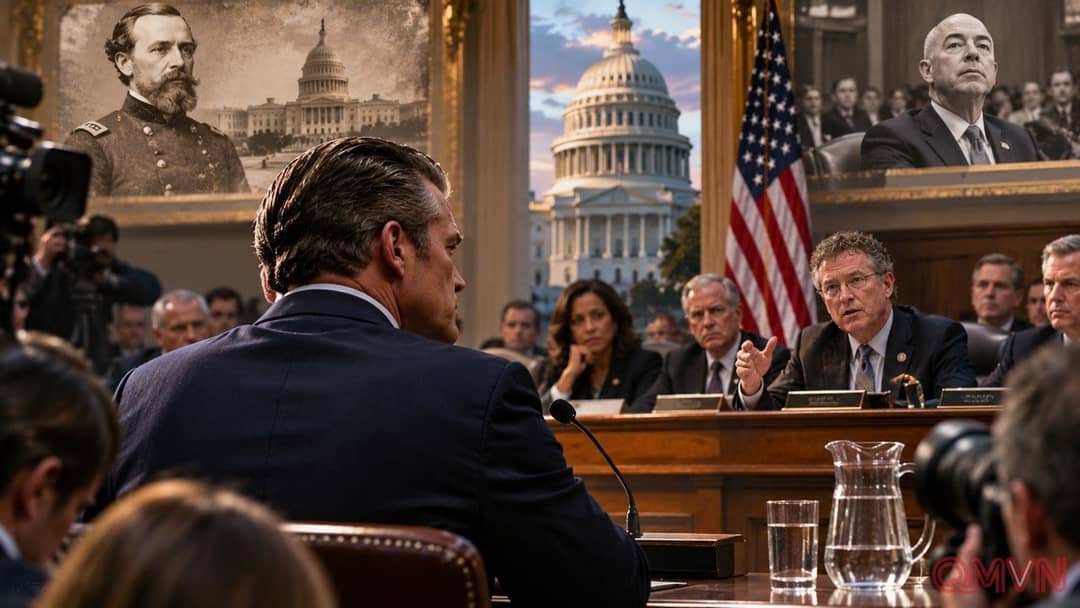
Massie introduced a privileged impeachment resolution on November 9, a parliamentary route that can compel House consideration quickly. Congressional leaders can permit a direct vote on the articles, but they may instead seek to table the measure or refer it to a committee. Consequently, a scheduled vote does not necessarily mean lawmakers will decide the merits of all eight charges. The dispute unfolds while Republicans still hold the House, although the November midterm results point to a change in control in January 2027.
According to the resolution and reporting by Reuters, the Associated Press and Roll Call, three articles contend that US participation in the Iran war violated congressional war powers, including restrictions under the War Powers Resolution. Other allegations concern overseas operations, protection of civilians, attacks against vessels suspected of drug trafficking, and actions involving Democratic Senator Mark Kelly. Those are allegations advanced by the impeachment sponsor, not judicial findings that Hegseth committed a crime or violated the Constitution.
The argument raises a deeper problem: how far a defense secretary's personal responsibility reaches when military operations are directed by the president. Supporters point to Trump's powers as commander in chief and to the administration's claimed military achievements. Critics counter that running the Pentagon does not relieve any official of statutory obligations or of answering congressional scrutiny. The argument is therefore both political and constitutional.