Tesla, SpaceX and the Question of Control
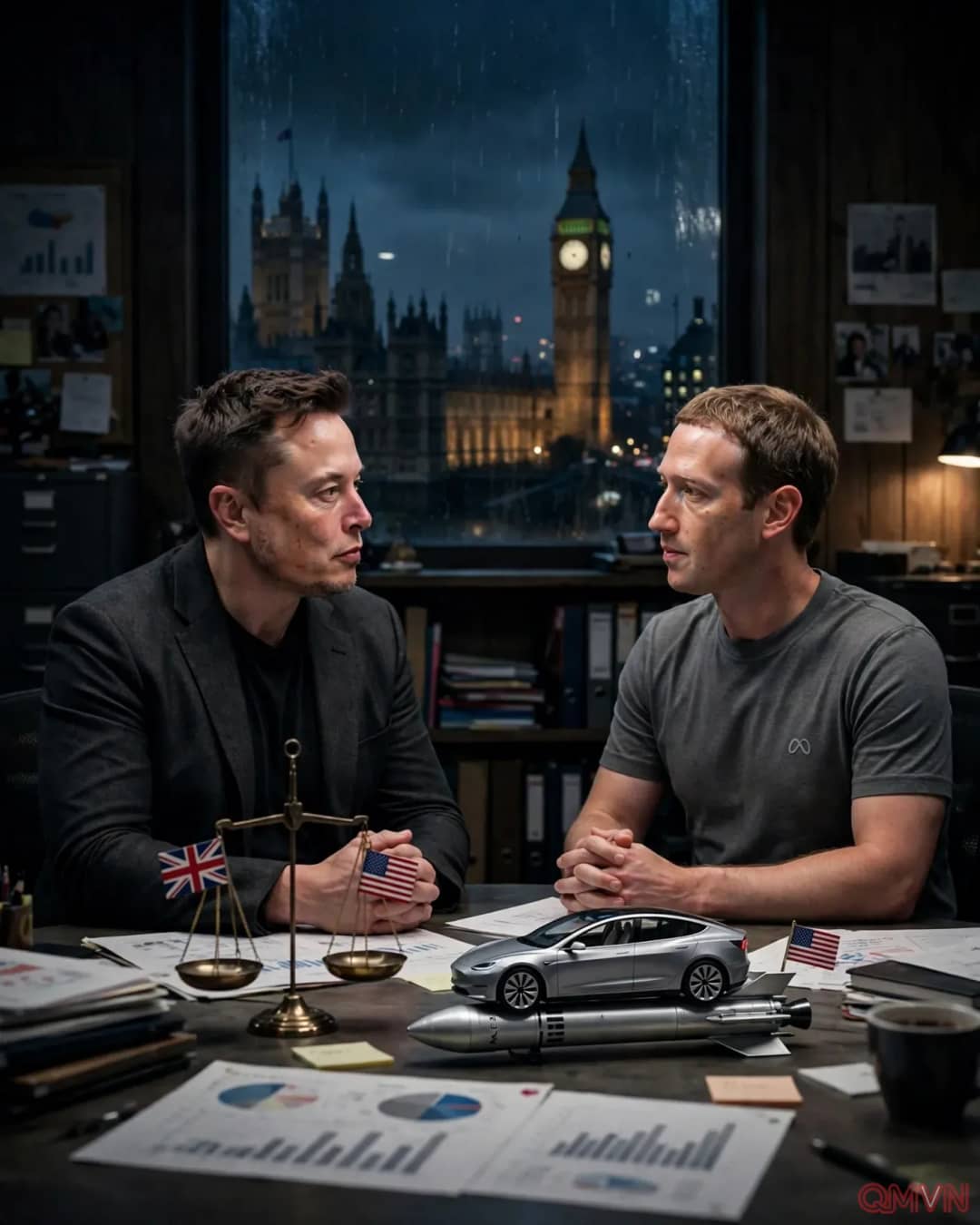
In early October, Elon Musk turned heads by unveiling Tesla’s next-generation Roadster, which can fly thanks to rocket thrusters, and last week revealed that he wants to fold the carmaker into SpaceX. In Musk’s logic, Tesla and SpaceX are ultimately artificial intelligence plays already competing for computer chips. Critics suggest that slowing sales mean Tesla needs the cover of a big brother like SpaceX.
But according to the column, the deal boils down to control. Musk is SpaceX’s controlling shareholder thanks to its dual-class share structure, while at Tesla he owns 20% in ordinary shares. A merger would most likely secure his dominion over both. Similarly, Meta boss Mark Zuckerberg recently persuaded his board to create a new class of shares he can sell to fund a potential California tax bill without diluting his control.
Why Britain Is Wary
The UK has long avoided dual-class shares because investors dislike companies whose boards have little chance of ousting the chief executive. This is cited as one reason big, promising tech firms choose not to list in London.