MAIN ARTICLE
When household bills eclipse party loyalty
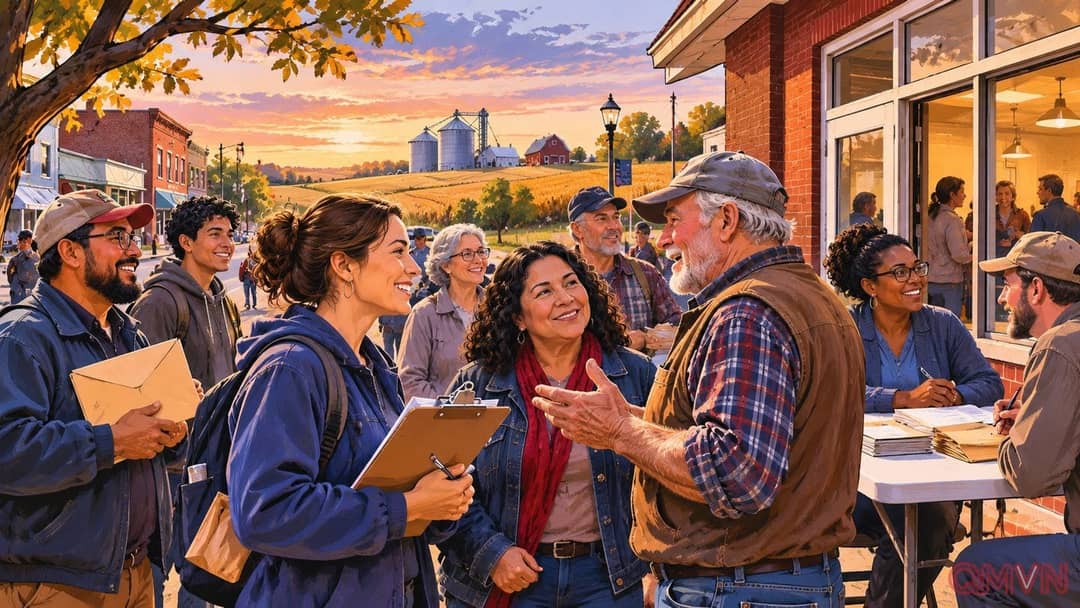
In farming regions and small towns, national politics often becomes tangible through fuel bills, transport costs and prices paid for crops. Higher energy prices amid the Iran war and uncertainty surrounding the administration's global tariff policy have sharpened concerns about the financial future of local households and farms. Democratic candidates used those pressures to talk about affordability and practical community needs. The appeal relied less on persuading rural Americans to adopt every plank of a party platform than on persuading them that their immediate worries deserved attention.
A Reuters/Ipsos survey put President Donald Trump's rural approval at 45% in October, down from 60% at the start of his term. In more than 1,500 rural counties where vote counting was nearly complete, Reuters and USA Today found Republican candidates collectively running eight percentage points below Trump's 2024 vote share. Because a presidential election and a midterm have different electorates and contests, this comparison is not proof that eight percent of voters switched parties. It nevertheless suggests a substantial weakening in the governing party's rural electoral position.