The power of confirmation passes to Democrats
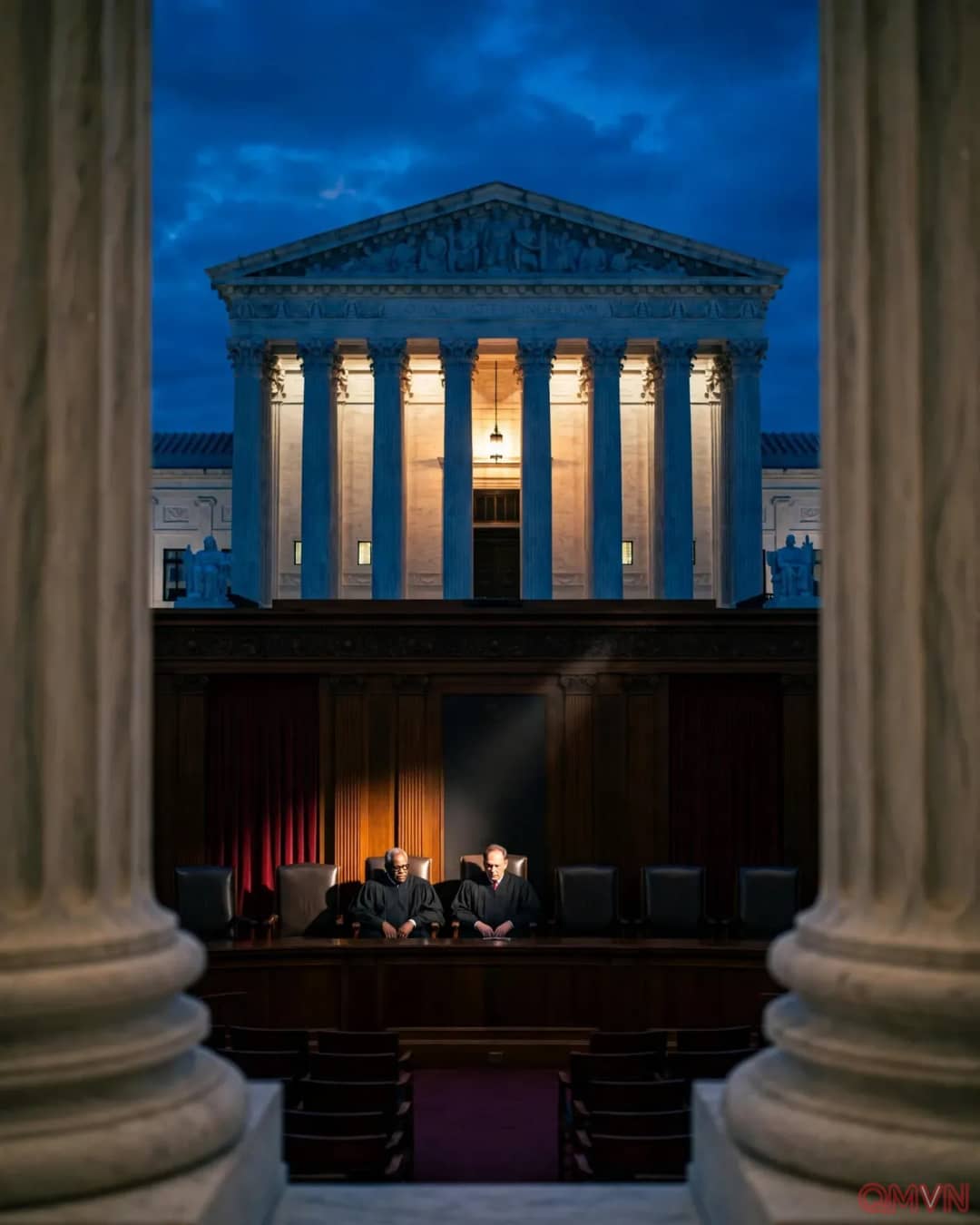
The US Constitution gives the Senate the power to confirm a president’s judicial nominees. With their new majority, Democrats can block any nominee Trump puts forward for the Supreme Court, just as Republicans prevented President Barack Obama from filling a vacancy in 2016.
Until January 3, the Senate remains under Republican control in what is known as a lame-duck session. In theory, this is a rare window for a conservative justice to step aside and make room for a Trump-chosen successor. In practice, the tight timeline and a raft of other legislative priorities make that scenario very hard to pull off, even if the justices actually wanted it.
The two oldest justices and a vow to stay
Thomas and Alito are the court’s two most conservative justices and have consistently backed Trump’s policies in major rulings during his second term. The 6-3 majority, which includes three justices Trump appointed in his first term, has pulled American law to the right on issues from abortion and guns to presidential power. Thomas has never publicly signalled a wish to retire. Alito, in an interview with Bloomberg in October, said he would stay at least through the current term, which runs until summer 2027, even if Democrats won the Senate.