MAIN ARTICLE
An invitation across an old divide
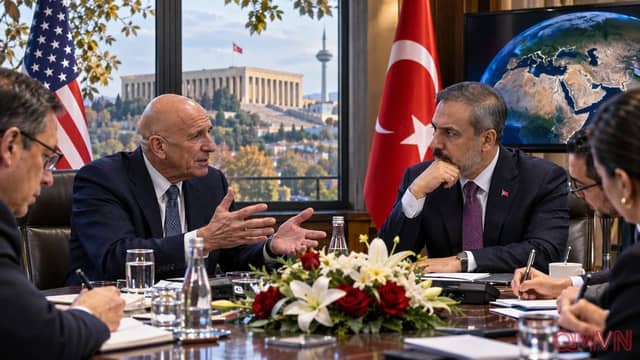
Speaking to journalists in Istanbul on November 6, Energy Minister Alparslan Bayraktar welcomed the possibility of broader energy cooperation with Greece. He portrayed practical infrastructure as an opportunity even though earlier initiatives had encountered political objections. His comments expressed Ankara’s willingness to talk; they did not constitute a newly negotiated bilateral agreement or an endorsement from Athens.
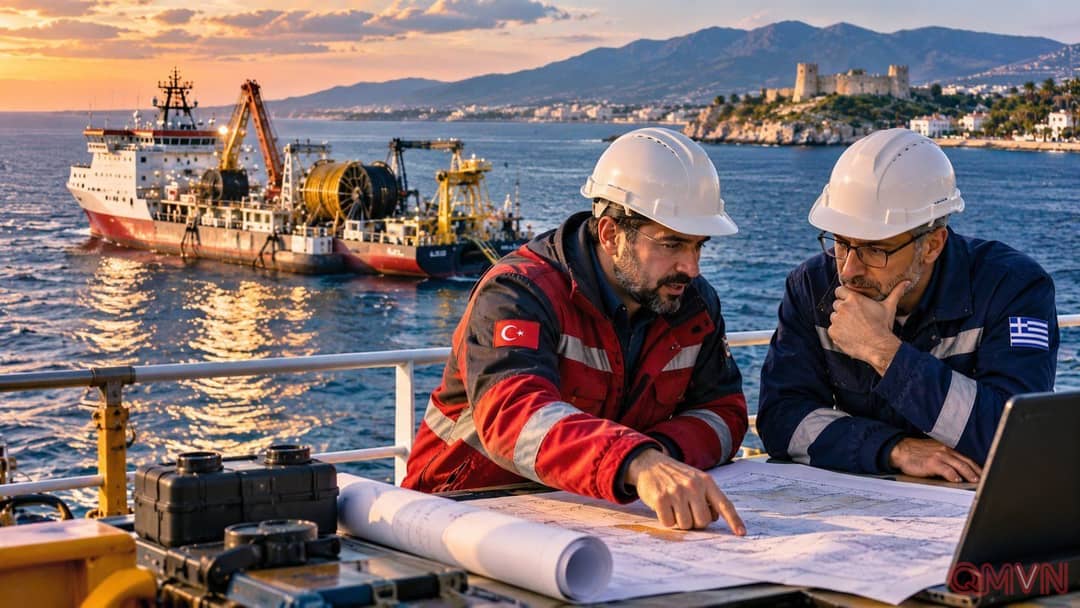
One proposal would bring renewable electricity generated in Türkiye by submarine cable to the Turkish Cypriot-administered north of Cyprus, reducing its reliance on fuel-oil-fired generation. Bayraktar said Ankara had previously offered capacity that might also serve the island’s southern part, but argued that political objections prevented progress. Greek and Cypriot authorities approach the question through the legal status of Cyprus and the European Union’s electricity governance rules.
The distinction between engineering potential and legal permission matters. An undersea cable requires not only technology and funding but agreed rules on system operations, environmental assessments, maritime jurisdiction and who may authorize the connection. A commercially attractive proposal may remain impossible to execute without these foundations.