The illusion of a safe haven shattered
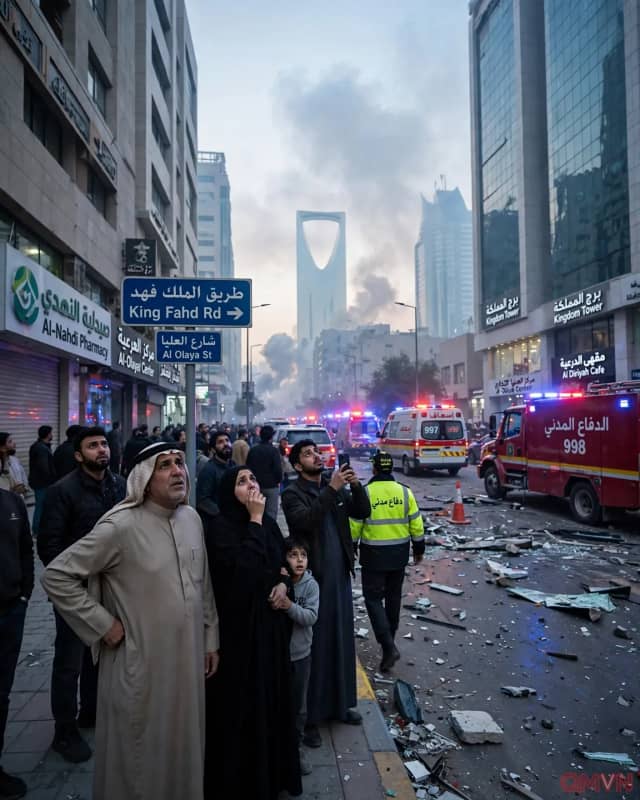
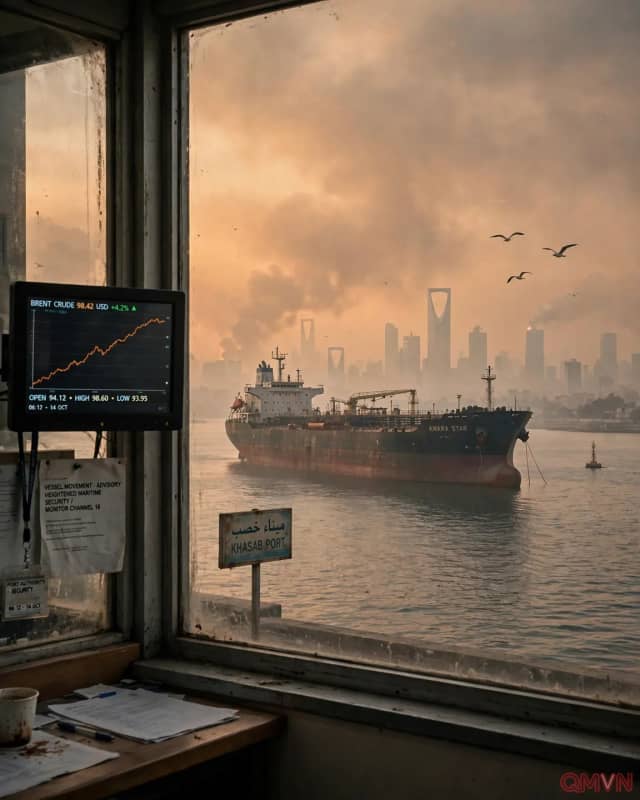
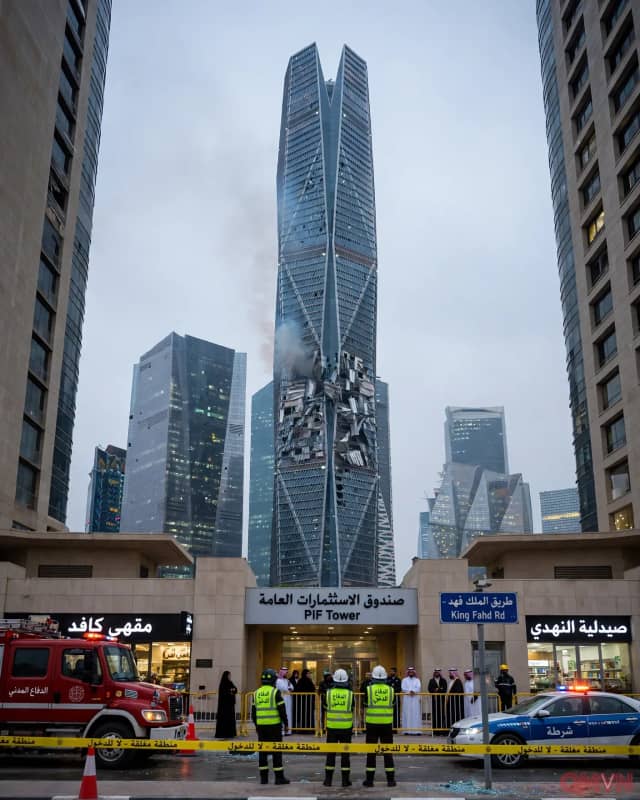
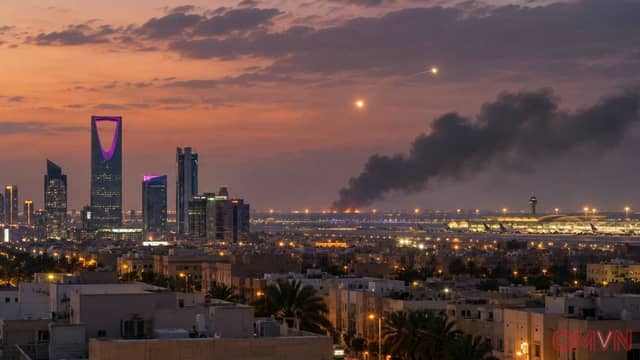
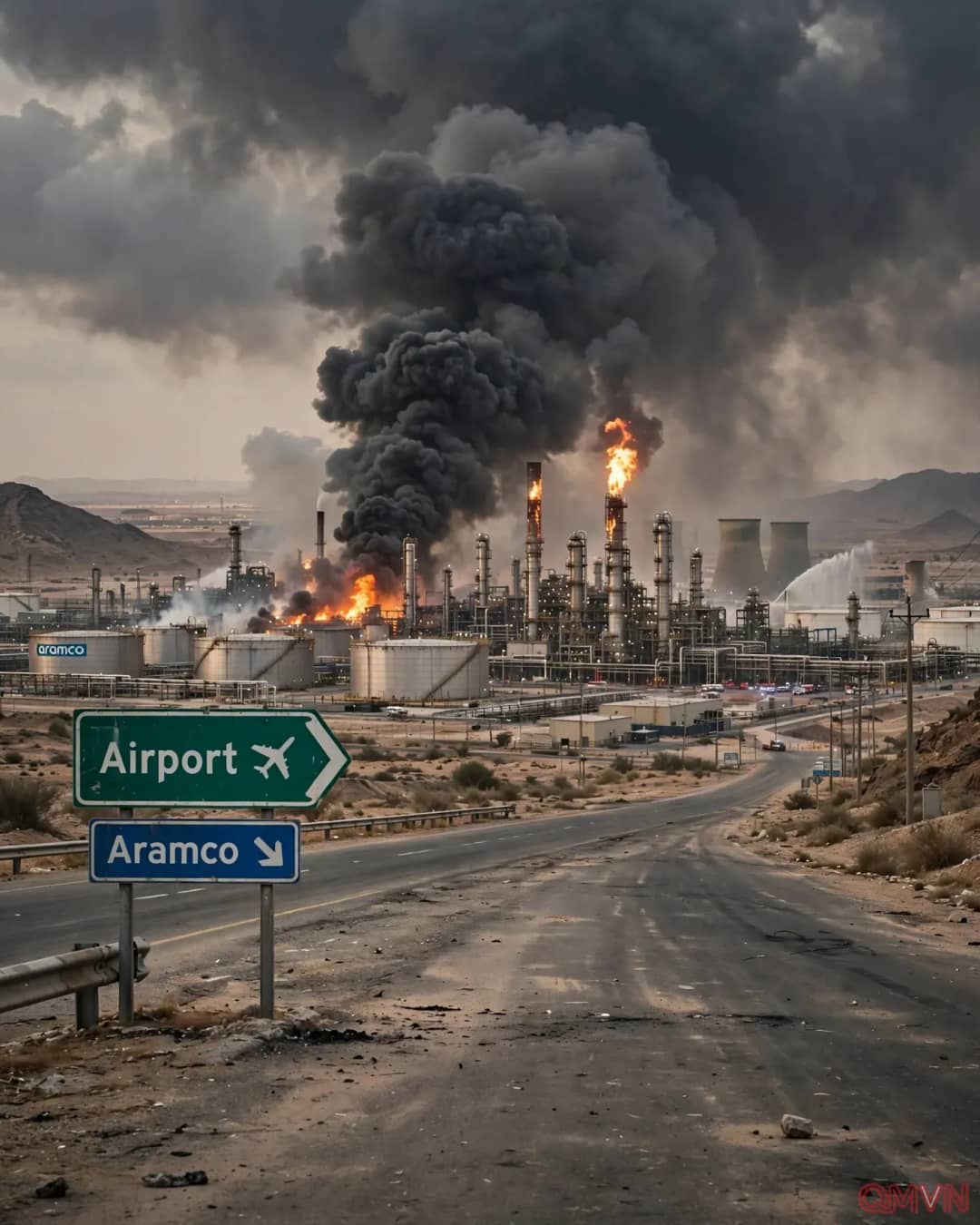
For years Saudi Arabia has worked to convince investors that it is a stable destination in a volatile region, the foundation of its ambition to diversify away from oil. The plumes of smoke rising from an Aramco refinery south of Riyadh in early October, followed by attacks on the capital's airport and Aramco's headquarters, are now shaking that confidence.
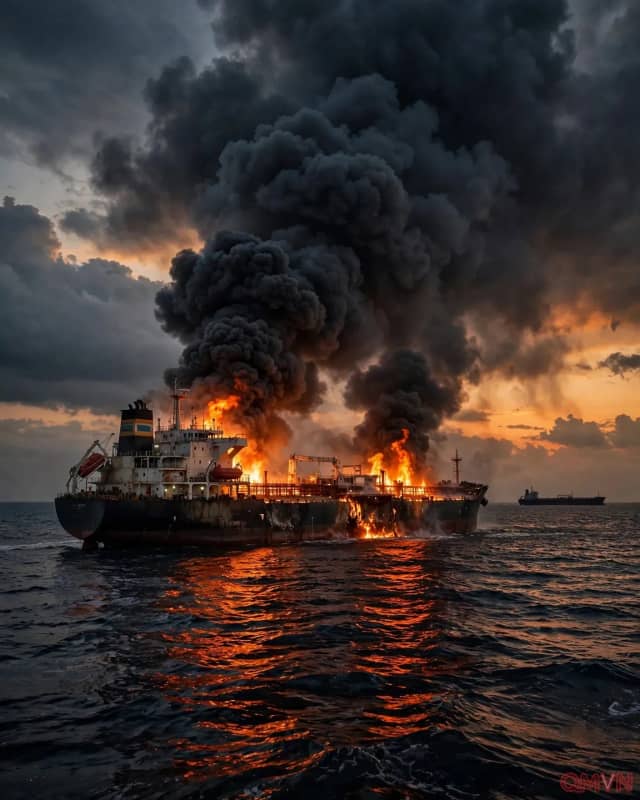
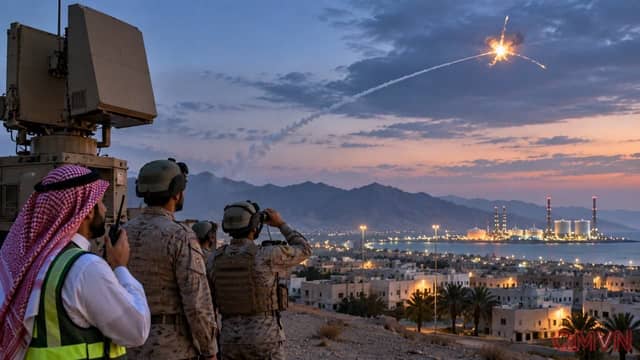
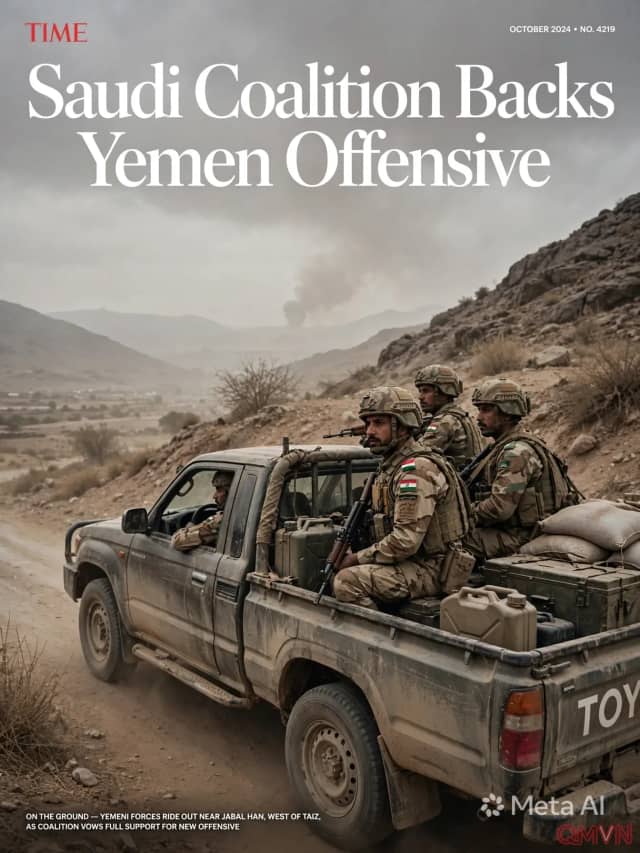
The Saudi-led military coalition says it has intercepted a number of missiles aimed at Saudi cities and destroyed 127 Houthi weapons stores and launch platforms. Coalition spokesperson Turki al-Maliki said the group has acquired advanced military technology, from ballistic missiles and drones to explosive-laden fast boats, with help from “regional actors”.
Iran “taught the Houthis how to fish”
For more than a decade Iran has supplied the Houthis, formally known as Ansar Allah, with weapons, money and training, although Tehran denies breaching a UN arms embargo. According to Andreas Krieg, senior lecturer in security studies at King's College London, Iran's Revolutionary Guards and Lebanon's Hezbollah first passed on knowledge of missile systems; former Yemeni military engineers and a new generation of locally trained specialists then institutionalised those skills.
Krieg argues that Tehran has done more than hand over weapons: it has fostered a homegrown military-industrial learning process that grows harder to dismantle even when direct supply routes are cut. Hamid Nikou, a former political adviser to Iran's Islamic Revolutionary Guard Corps, says the Guards planned ahead for shipments being seized, teaching the Houthis to assemble dual-use parts into drones and even ballistic missiles.