MAIN ARTICLE
A shock travels from Wall Street to Chinese exchanges
The immediate trigger was a turbulent session in the United States on November 5. Reuters and the Associated Press reported that the Nasdaq Composite lost roughly 5.5% and the S&P 500 dropped 4.4%. Chipmakers and companies tied to data-center expansion were among the hardest hit. The change in political control of Congress heightened fears of additional scrutiny, but investors were already debating how quickly technology giants could earn returns on their capital expenditure. Businesses valued on profits many years into the future are especially sensitive when expectations are revised or financing becomes more expensive.
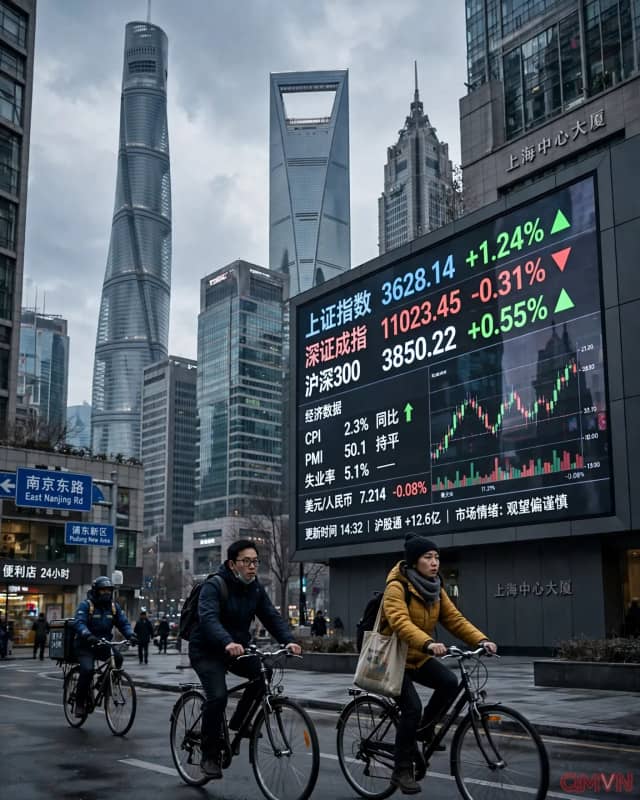
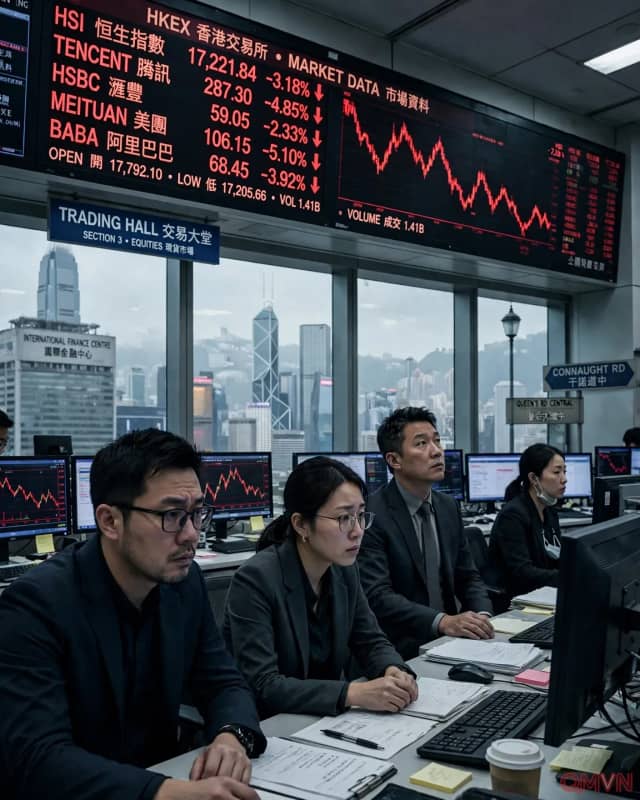
By the Hong Kong lunch break, the Hang Seng stood at 24,533.33, down 1.1%, while the mainland CSI 300 had slipped 1.5%, according to the reference report. The Hang Seng Tech Index declined 1.8%, and Shanghai’s STAR 50 lost 2.1%. These moves were milder than the early collapses in Seoul and Taipei, illustrating how differences in index composition shape the damage. The numbers also require care: a quoted midday percentage is not a full-day return, and prices may rebound or fall further before the closing bell.