MAIN ARTICLE
A community emerges from an emergency
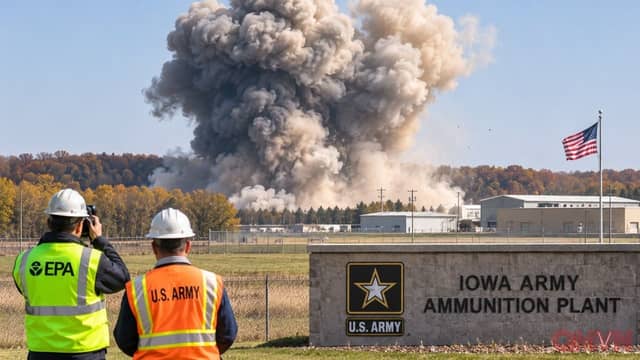
The Army's announcement brought a measure of relief to Middletown after days in which an unusual industrial hazard disrupted the routines of local families. Some residents had temporarily left their homes, while others remained indoors under precautionary guidance. Associated Press independently reported that an emergency alert later allowed normal activities to resume. That decision marked the end of the immediate restrictions, rather than a declaration that every environmental question had been answered.
The authorities faced a difficult choice involving hazardous material that had deteriorated during storage. According to the Army's public statement on November 24, specialists from several agencies assessed alternatives and concluded that planned disposal was preferable to leaving the unstable stockpile untreated. Residents who challenged the decision were concerned about a different dimension of safety: the potential consequences for their homes and livelihoods. Both concerns deserve to be understood in any assessment of the response.
What an initial zero reading can establish
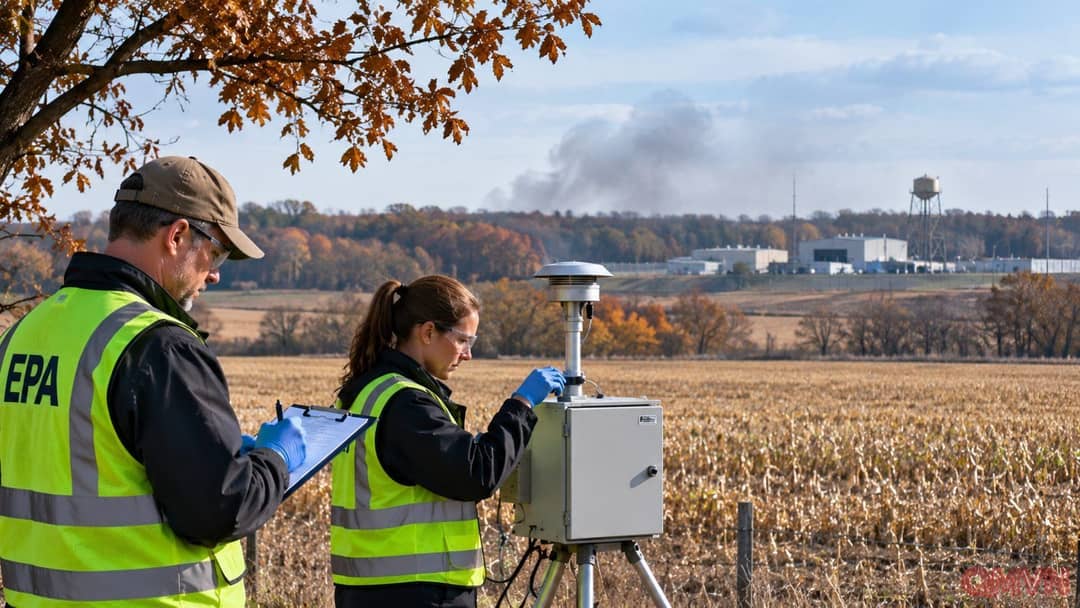
The EPA announced on November 25 that its instruments had not detected airborne lead in the surrounding region during the initial monitoring period. This provided important evidence against fears of an immediately detectable release reaching the monitoring stations. Nevertheless, measurements are necessarily associated with particular locations, observation periods and instrument capabilities.